
1. Introduction
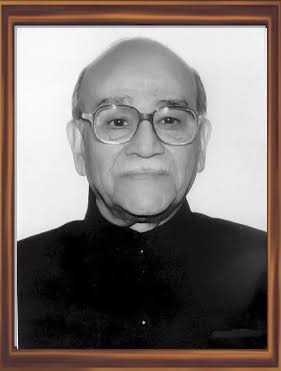
Dr. Baldev Singh (6 April 1904 – 2 February 1998) was a legendary Indian neurologist, educator, and a foundational pillar of modern neurosciences in India. Affectionately remembered as “Father Neuron” or “Grandfather Neuron” by generations of students and peers, he helped establish the country’s early infrastructure for neurology, contributed to pioneering epilepsy surgeries, and built premier medical departments at institutions like the Christian Medical College (CMC) Vellore and the All India Institute of Medical Sciences (AIIMS), New Delhi.
2. Quick Facts
- Full Name: Baldev Singh
- Native Name: बलदेव सिंह
- Date of Birth: 6 April 1904
- Place of Birth: Punjab, British India
- Nationality: Indian
- Occupation / Profession: Neurologist, Medical Researcher, and Professor
- Field of Achievement: Clinical Neurology, Neurophysiology, and Medical Education
- Years Active: 1931 – 1992
3. Award Information
- Award Name: Padma Bhushan
- Award Category: Civil Honour (Third-highest civilian award in India)
- Award Year: 1972
- Presented By: Government of India
- Date of Ceremony: Official Investiture Ceremony held in 1972
- Citation / Official Reason: Recognized for his exceptional services, distinguished leadership, and pioneering contributions to medical science and education.
4. Why He Received the Award
Dr. Baldev Singh received the Padma Bhushan for his lifetime of transformative work establishing neuroscience as a distinct and advanced medical specialty in India. From collaborating on the country’s first epilepsy surgeries to mentoring generations of physicians and institutionalizing neurology at AIIMS and CMC Vellore, his contributions fundamentally shaped the nation’s medical framework.
5. Early Life
Born into a well-to-do family in Punjab, Dr. Singh developed an early aptitude for academics, winning multiple scholarships through his school years. Raised during a period of rising national consciousness and sweeping educational developments, he pursued a deep curiosity about human biology and medicine, setting the foundation for a life devoted to scientific inquiry.
6. Education
- Schooling: Completed preliminary and secondary education in Punjab, distinguishing himself academically.
- Medical Graduation: Joined the King Edward Medical College, Lahore, in 1922 and graduated with his medical degree in 1927.
- Advanced Training: Traveled to the United Kingdom, studying neuroanatomy and working at the prestigious National Hospital at Queen Square in London under legendary neurologists such as Lord Russell Brain and MacDonald Critchley.
7. Career Journey
- Early Practice & Teaching (1931–1950): Returned to India in 1931; after honoring a personal promise to his mother to practice locally, he ran a successful medical practice in Punjab while remaining intensely devoted to clinical reading and research.
- CMC Vellore (1950–1954): Joined India’s first qualified neurosurgeon, Dr. Jacob Chandy, at CMC Vellore, where he organized EEG recording and diagnostic neurology programs.
- Delhi Academic Postings (1954–1964): Moved to Delhi, heading the neurology department at Tirath Ram Shah Hospital and teaching at Lady Hardinge Medical College and Willingdon (RML) Hospital.
- AIIMS Delhi (1964–1968+): Invited past retirement age to establish and chair the Department of Neurology and Neurosurgery at AIIMS, later serving long-term as an Emeritus Professor in Physiology until the 1990s.
8. Major Achievements
- Co-founded the Neurological Society of India (NSI) in 1951 alongside peers like Dr. Jacob Chandy and Dr. B. Ramamurthi.
- Collaborated on executing India’s historic first epilepsy surgery at Vellore on August 25, 1952, personally managing and analyzing the EEG readouts.
- Served twice as the President of the Neurological Society of India (elected in 1962 and 1971).
- Built world-class academic and clinical departments from scratch at two of India’s premier medical institutions (CMC Vellore and AIIMS Delhi).
9. Contribution to the Nation
Dr. Singh transformed neurology from a scattered sub-branch of general medicine into an organized, high-precision national discipline. By training hundreds of young doctors, establishing robust electroencephalography (EEG) standards, and laying down research pathways for neuro-disorders, he ensured that Indian patients gained access to world-class neurological diagnostics and treatment locally.
10. Other Awards and Honours
- Padma Bhushan (1972) by the Government of India.
- Basanti Devi Amir Chand Award from the Indian Council of Medical Research (ICMR) (1961).
- Fellow of the National Academy of Medical Sciences (FAMS) and Fellow of the Indian National Science Academy (INSA).
- Honorary Fellow of the American Neurological Association.
- Honorary Physician to the President of India.
11. Legacy and Influence
Dr. Baldev Singh is remembered not merely as an individual, but as an institutional phenomenon. His gentle demeanor, rigorous scientific ethics, and relentless dedication to teaching earned him universal reverence. The “Prof. Baldev Singh Oration Award” given by the Association of Physiologists and Pharmacologists of India (APPI) and the enduring excellence of the AIIMS neurology department stand as testaments to his profound legacy.
12. Interesting Facts
- The “Grandfather Neuron” Moniker: Because of his monumental role in mapping, understanding, and teaching the nervous system, colleagues and students fondly called him “Father/Grandfather Neuron”.
- Active well into his 80s: Even long after his formal retirement from administrative duties, he continued regular active participation in academic discussions, laboratory research, and student mentorship at AIIMS until 1992.
- Unflinching Principles: Despite having lucrative private practice opportunities early in his career, he prioritized academic depth, patient care, and institution-building above commercial success.
13. Quotes
“Prof. Baldev Singh had become a legend in his life-time and has left a permanent imprint on the neuroscience scenario of the country. Few could match the depth of his knowledge or his untiring commitment to advance the frontiers of neuroscience.” — Dr. P.N. Tandon
14. Timeline
- 1904: Born on April 6 in Punjab, British India.
- 1927: Graduated in medicine from King Edward Medical College, Lahore.
- 1931: Returned from training at Queen Square, London, to start practice in India.
- 1951: Co-founded the Neurological Society of India (NSI).
- 1952: Supervised EEG diagnostics during India’s first successful epilepsy surgery at CMC Vellore.
- 1964: Joined AIIMS Delhi to build its pioneering Department of Neurology.
- 1972: Awarded the Padma Bhushan by the Government of India.
- 1998: Passed away on February 2 at the age of 93.
15. References
- Wikipedia contributors. “Baldev Singh (neurologist).” Wikipedia, The Free Encyclopedia.
- Tandon, P. N. (2017). “Two patriarchs of Indian Neurosciences: Professor Baldev Singh and Professor Jacob Chandy.” Neurology India.
- Professor Baldev Singh (1904–1998): Not a man but a phenomenon — Indian Journal of Physiology and Pharmacology.
- Ministry of Home Affairs, Government of India. Padma Awards Directory.
16. Related Personalities
- Dr. Jacob Chandy: India’s first neurosurgeon, who partnered with Dr. Singh to pioneer epilepsy treatment and build neurology at CMC Vellore.
- Dr. B. Ramamurthi: Legendary neurosurgeon who collaborated with Dr. Singh on early neurological advancements and the founding of the NSI.
- Dr. P. N. Tandon: Acclaimed Indian neurosurgeon and close academic associate who chronicled Dr. Singh’s monumental contributions.
17. Frequently Asked Questions (FAQ)
Q: Who was Dr. Baldev Singh?
A: Dr. Baldev Singh was a celebrated Indian neurologist widely regarded as one of the founding fathers of modern neurosciences and clinical neurology in India.
Q: What is Dr. Baldev Singh best known for?
A: He is best known for helping perform India’s first epilepsy surgeries, co-founding the Neurological Society of India, and establishing the pioneering Department of Neurology at AIIMS, New Delhi.
Q: Why is he called “Grandfather Neuron”?
A: He earned the affectionate title “Father Neuron” or “Grandfather Neuron” due to his lifelong dedication to studying the nervous system and laying down the educational bedrock for generations of Indian neurologists.
About the Author