

1. Introduction
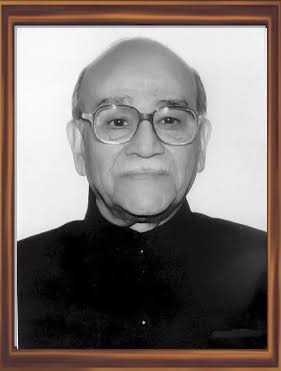
Saghar Nizami was the pen name of Samad Yar Khan, a prominent Indian Urdu poet, journalist, editor and literary figure. He is particularly remembered for his ghazals and nazms, including patriotic poetry, and for his role in the development of modern Urdu literature.
He was born on 21 December 1905 in Aligarh, in present-day Uttar Pradesh. He became an early disciple of the renowned Urdu poet Seemab Akbarabadi and later established the publishing house Adabi Markaz at Meerut.
The Government of India awarded him the Padma Bhushan in 1969 in Literature and Education, officially recording the recipient as “Shri Samad Yar Khan Saghar Nizami” from Uttar Pradesh.
2. Quick Facts
| Particular | Details |
|---|---|
| Full Name | Samad Yar Khan |
| Pen Name | Saghar Nizami |
| Native Name | ساغر نظامی |
| Date of Birth | 21 December 1905 |
| Place of Birth | Aligarh, Uttar Pradesh, British India |
| Nationality | Indian |
| Profession | Urdu poet, journalist, editor, writer |
| Field of Achievement | Urdu literature and poetry |
| Literary Forms | Ghazal, Nazm |
| Years Active | From the 1920s to the 1980s |
| Major Award | Padma Bhushan |
| Padma Bhushan Year | 1969 |
| Padma Bhushan Category | Literature and Education |
| State Listed | Uttar Pradesh |
| Pen Name Meaning | “Saghar” is associated with a cup/goblet |
| Teacher | Seemab Akbarabadi |
| Major Publishing Venture | Adabi Markaz |
| Date of Death | Sources differ: 1983 or 27 February 1984 |
| Place of Death | Delhi, India |
The Government of India’s Padma database confirms his official award name as Shri Samad Yar Khan Saghar Nizami, with Padma Bhushan (1969), Literature and Education, Uttar Pradesh.
Note on his death date: Sources are inconsistent. Rekhta gives 27 February 1984, while other biographical sources give 1983. For a publication-quality blog, it is advisable to mention the discrepancy rather than presenting an uncertain date as fact.
3. Award Information
Padma Bhushan
Award Name
Padma Bhushan
Award Category
Literature and Education
Award Year
1969
Presented By
Government of India
Official Recipient Name
The Government of India’s Padma Awards database records him as:
Shri Samad Yar Khan Saghar Nizami
State
Uttar Pradesh
Citation / Official Reason
The official Padma Awards database categorises his award under Literature and Education.
His recognition was connected with his contribution to Urdu literature, particularly poetry and literary journalism.
Date of Ceremony
The official database confirms 1969 as the award year. A reliable source establishing the exact individual investiture date was not found, so your blog should preferably state:
Padma Bhushan – 1969
rather than giving an unverified ceremony date.
Previous Recipients
The Padma Bhushan is awarded to multiple individuals in different fields, so there is no single “previous recipient.”
Among the 1968 Padma Bhushan recipients in Literature and Education was Acharya Vishva Bandhu.
Next Recipients
The award continued to recognise writers, scholars and other distinguished Indians in subsequent years.
4. Why Did Saghar Nizami Receive the Padma Bhushan?
Saghar Nizami received the Padma Bhushan in 1969 in Literature and Education in recognition of his contribution to Indian literature, particularly Urdu poetry.
His literary importance came from several areas:
- Writing ghazals and nazms
- Promoting Urdu literature
- Editing literary publications
- Establishing a publishing house
- Encouraging young writers
- Writing patriotic poetry
- Contributing to modern Urdu literary culture
- Working as a journalist and editor
He was also one of the early disciples of Seemab Akbarabadi, an important influence on his literary development.
5. Early Life
Saghar Nizami was born Samad Yar Khan on 21 December 1905 in Aligarh.
His father, Sardar Ahmed Yar Khan, was a medical doctor who served in the government medical service during British rule.
Saghar grew up in an environment in which education and intellectual pursuits were valued. However, his formal education was not his only route into literature.
He became closely associated with Seemab Akbarabadi, under whose guidance he developed his literary skills.
A scholarly source notes that Saghar left high school and in 1922 became an apprentice to Seemab Akbarabadi, who was also a journalist and poet.
This relationship became an important foundation for his subsequent career.
6. Education
Saghar Nizami did not follow a conventional university-based literary career.
Instead, much of his education came through:
- Literary apprenticeship
- Journalism
- Poetry
- Editing
- Reading and study of Urdu literature
- Association with established poets
His association with Seemab Akbarabadi was particularly significant.
Rather than viewing his lack of conventional higher education as a limitation, Saghar developed his literary identity through practical experience in journalism and publishing.
7. Career Journey
Early Literary Career
Saghar began his literary career in the 1920s.
From 1923 to 1932, he edited the monthly literary magazine Paimana, which was published by his teacher Seemab Akbarabadi in Agra.
This experience gave him practical knowledge of:
- Editing
- Journalism
- Publishing
- Literary criticism
- Promotion of new writers
Founding of Adabi Markaz
In 1933, Saghar moved to Meerut and established Adabi Markaz, a publishing house.
Adabi Markaz became an important part of his literary career.
One notable contribution was its publication of Tullu (Dawn), the first collection of poems by Mehr Lal Soni Zia Fatehabadi.
This demonstrated Saghar’s role not only as a poet but also as a promoter of emerging literary talent.
Development as a Poet
Saghar became known for both:
Ghazals
His ghazals explored subjects including love, separation, longing and human emotions.
Nazms
His nazms allowed him to address broader subjects, including:
- Patriotism
- Social concerns
- National events
- Historical subjects
- Political themes
Rekhta’s collection of his writings includes both ghazals and nazms, including patriotic poems such as “Ai Subh-e-Watan” and a tribute to Mahatma Gandhi following his assassination.
8. Major Achievements
1. Padma Bhushan
The Government of India awarded Saghar Nizami the Padma Bhushan in 1969 for Literature and Education.
2. Contribution to Urdu Poetry
He became a recognised figure in modern Urdu poetry through his ghazals and nazms.
3. Literary Journalism
His editorial work on Paimana helped establish him as an important literary journalist.
4. Established Adabi Markaz
His publishing house in Meerut helped promote Urdu literature and new writers.
5. Published Mehr Lal Soni Zia Fatehabadi
Adabi Markaz published Tullu (Dawn), the first poetry collection of Mehr Lal Soni Zia Fatehabadi.
6. Patriotic Poetry
His poetry included works on India, national identity and major historical events.
7. Influence on Urdu Literary Culture
He belonged to a generation of Urdu poets who helped modernise and broaden the themes of Urdu poetry.
9. Contribution to the Nation
Saghar Nizami’s contribution to India was primarily literary and cultural.
Promotion of Urdu Literature
His poetry and editorial work contributed to the development and popularisation of Urdu literature.
Patriotic Writing
His patriotic poems reflected the political and cultural atmosphere of India’s nationalist period.
Rekhta lists poems such as “Ai Subh-e-Watan” and a poem commemorating Gandhi’s martyrdom among his works.
Encouraging Young Writers
Through Adabi Markaz, he provided a platform for emerging poets and writers.
Journalism
His work as an editor helped connect readers with contemporary Urdu literary culture.
Cultural Integration
Urdu poetry served as an important cultural bridge across communities, regions and linguistic traditions in India.
10. Other Awards and Honours
Padma Bhushan – 1969
This was his most important national honour and is officially recorded under Literature and Education.
Ghalib Award – 1982
Biographical sources also identify Saghar Nizami as a recipient of the Ghalib Award in 1982.
The Ghalib Award is associated with contributions to Urdu literature and scholarship.
11. Legacy and Influence
Saghar Nizami’s legacy survives particularly through his poetry, publications and influence on Urdu literary culture.
During his lifetime, he published six collections of ghazals and nazms:
- Subuhi – 1934
- Badah-e-Mashriq – 1934
- Kahkashaan – 1934
- Rangmahal – 1943
- Mauj-e-Sahil – 1949
- Nehrunama – 1967
His collected works, Kulliyat-e-Saghar Nizami, were later published in three volumes between 1999 and 2001 by Modern Publishing House, Delhi.
His poetry has also remained accessible through digital literary archives such as Rekhta, where his ghazals, nazms and other writings are preserved.
His legacy is therefore not limited to the Padma Bhushan. He is remembered as a poet who helped connect traditional Urdu poetic forms with modern themes and nationalist expression.
12. Interesting Facts About Saghar Nizami
1. Saghar Nizami was a pen name
His real name was Samad Yar Khan.
2. He was a disciple of Seemab Akbarabadi
He was one of Seemab Akbarabadi’s early disciples and learned poetry and literary practice under him.
3. He began editing at a young age
He edited Paimana from 1923 to 1932.
4. He founded a publishing house
He established Adabi Markaz in Meerut in 1933.
5. He helped launch another poet’s career
Adabi Markaz published Tullu, the first poetry collection of Mehr Lal Soni Zia Fatehabadi.
6. He wrote both ghazals and nazms
His work was not restricted to one poetic form.
7. His poetry included patriotic themes
His writings included poems celebrating the nation and responding to major events in India’s history.
8. His poetry reached popular audiences through music
Two of his ghazals, “Yun Na Reh Reh Kar Hamein Tarsaiye” and “Hairat Se Tak Raha Hai Jahan-e-Wafa Mujhe,” became well known through performances by Master Madan, with music by Pandit Amarnath.
9. He wrote a work on Jawaharlal Nehru
His Nehrunama, published in 1967, was among his later collections.
10. His collected works were published after his lifetime
His Kulliyat-e-Saghar Nizami was published in three volumes between 1999 and 2001.
13. Famous Poems and Quotes
Saghar Nizami’s work is extensive, and it is better to distinguish his original poetry from quotations circulating online without reliable attribution.
Some of his well-known works include:
- “Yun Na Reh Reh Kar Hamein Tarsaiye”
- “Hairat Se Tak Raha Hai Jahan-e-Wafa Mujhe”
- “Ai Subh-e-Watan”
- “Gandhi Ji Ki Shahadat Par”
Rekhta preserves examples of these works and lists them among his ghazals and nazms.
For your blog, you can introduce his poetry with:
“Saghar Nizami’s poetry combined the emotional traditions of the ghazal with the broader social and patriotic possibilities of the nazm.”
This is an editorial description, not a quotation by Saghar Nizami.
For copyright and accuracy reasons, it is also better to link readers to a legitimate literary archive for full poems rather than reproducing long poems in the article.
14. Timeline of Saghar Nizami
| Year | Event |
|---|---|
| 1905 | Born on 21 December in Aligarh |
| 1922 | Began literary apprenticeship with Seemab Akbarabadi |
| 1923 | Began editing Paimana |
| 1923–1932 | Edited Paimana |
| 1933 | Moved to Meerut and founded Adabi Markaz |
| 1934 | Published Subuhi, Badah-e-Mashriq and Kahkashaan |
| 1943 | Published Rangmahal |
| 1949 | Published Mauj-e-Sahil |
| 1967 | Published Nehrunama |
| 1969 | Received Padma Bhushan for Literature and Education |
| 1982 | Received Ghalib Award |
| 1983/1984 | Died in Delhi; sources differ on the exact year/date |
| 1999–2001 | Kulliyat-e-Saghar Nizami published in three volumes |
The 1922 apprenticeship date is supported by scholarly research, while the publication dates are documented in biographical and literary sources.
15. References
1. Government of India – Padma Awards
The official Padma Awards database confirms:
Shri Samad Yar Khan Saghar Nizami — Padma Bhushan — 1969 — Literature and Education — Uttar Pradesh.
Government of India – Padma Awards database
2. Rekhta – Saghar Nizami
Rekhta provides a biographical profile and a substantial collection of his ghazals, nazms and other writings.
Rekhta – Saghar Nizami profile
3. Sagar Journal / University of Texas material
This scholarly source provides information about Saghar’s apprenticeship under Seemab Akbarabadi and his early literary career.
4. Sufinama
Sufinama provides another biographical record of Saghar Nizami and his literary identity.
16. Related Personalities
Seemab Akbarabadi
Saghar Nizami’s teacher and one of the most important influences on his literary development.
Mehr Lal Soni Zia Fatehabadi
An Urdu poet whose first poetry collection, Tullu, was published by Saghar’s Adabi Markaz.
Ahsan Danish
A prominent Urdu poet who, along with Saghar Nizami and Zia Fatehabadi, was described as one of the bright stars of modern Urdu poetry.
Jigar Moradabadi
A major Urdu ghazal poet of the same broad literary period.
Josh Malihabadi
Another influential Urdu poet associated with the modern and progressive traditions of Urdu poetry.
Master Madan
The young singer who helped popularise two of Saghar Nizami’s ghazals through musical performances.
Pandit Amarnath
Composer associated with the musical settings of Saghar Nizami’s ghazals performed by Master Madan.
17. Frequently Asked Questions (FAQ)
Who was Saghar Nizami?
Saghar Nizami was the pen name of Samad Yar Khan, an Indian Urdu poet, journalist, editor and literary figure.
What was Saghar Nizami’s real name?
His real name was Samad Yar Khan.
When was Saghar Nizami born?
He was born on 21 December 1905 in Aligarh, Uttar Pradesh.
When did Saghar Nizami die?
Sources disagree. Some give 1983, while Rekhta gives 27 February 1984.
Which award did Saghar Nizami receive?
He received the Padma Bhushan in 1969.
What was the Padma Bhushan category?
The Government of India’s official record lists his field as Literature and Education.
Why did Saghar Nizami receive the Padma Bhushan?
He was recognised for his contribution to literature, particularly his work in Urdu poetry and literary culture.
What type of poetry did Saghar Nizami write?
He wrote both ghazals and nazms.
Who was Saghar Nizami’s teacher?
His important early teacher and literary mentor was Seemab Akbarabadi.
What was Adabi Markaz?
Adabi Markaz was a publishing house founded by Saghar Nizami in Meerut in 1933.
What was Paimana?
Paimana was a monthly literary magazine that Saghar edited from 1923 to 1932.
Did Saghar Nizami write patriotic poetry?
Yes. His works include patriotic poems such as “Ai Subh-e-Watan”, as well as a poem commemorating Gandhi’s assassination.
What are Saghar Nizami’s famous poems?
Among the works associated with him are “Yun Na Reh Reh Kar Hamein Tarsaiye,” “Hairat Se Tak Raha Hai Jahan-e-Wafa Mujhe,” “Ai Subh-e-Watan,” and “Gandhi Ji Ki Shahadat Par.”
What books did Saghar Nizami publish?
His major collections included Subuhi, Badah-e-Mashriq, Kahkashaan, Rangmahal, Mauj-e-Sahil and Nehrunama.
Did Saghar Nizami receive any award besides the Padma Bhushan?
Yes. Biographical sources identify him as a recipient of the Ghalib Award in 1982.
Why is Saghar Nizami important in Urdu literature?
He is remembered for his poetry, literary journalism, publishing activities and role in promoting modern Urdu literary culture.
Conclusion
Saghar Nizami was an important figure in 20th-century Indian Urdu literature whose contribution extended beyond poetry.
As a poet, he wrote ghazals and nazms; as an editor, he worked on Paimana; and as a publisher, he founded Adabi Markaz, helping introduce new literary voices to Urdu readers.
His patriotic poetry also reflected the changing political and social environment of India, while his association with musicians such as Master Madan helped some of his ghazals reach audiences beyond the purely literary world.
The Padma Bhushan awarded to him in 1969 in Literature and Education remains the most significant national recognition of his literary contribution.
For a blog, the most accurate way to present his legacy is to describe Saghar Nizami not simply as a poet, but as a poet, editor, publisher and promoter of Urdu literary culture whose work connected traditional poetic forms with modern and patriotic themes.
About the Author