
1. Introduction
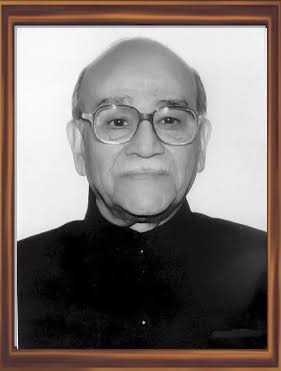
Lieutenant General Sagat Singh, PVSM, Padma Bhushan (14 July 1919 – 26 September 2001) was one of modern India’s most brilliant, bold, and fiercely independent military commanders. Renowned for his out-of-the-box tactical maneuvers, he played a central, decisive role in the liberation of Goa (1961), the defense of Nathu La against Chinese incursions (1967), and the historic march to Dhaka during the Bangladesh Liberation War (1971).
2. Quick Facts
- Full Name: Sagat Singh Rathore
- Native Name: सागत सिंघ
- Date of Birth: 14 July 1919
- Place of Birth: Kusumdesar village, Bikaner State (now Churu district, Rajasthan), British India
- Nationality: Indian
- Occupation / Profession: Military Officer (Indian Army)
- Field of Achievement: Strategic Field Command, Airborne Operations, and Combat Leadership
- Years Active: 1938 – 1976
3. Award Information
- Award Name: Padma Bhushan
- Award Category: Civil Honour (Third-highest civilian award in India)
- Award Year: 1972 (Conferred following the 1971 war)
- Presented By: Government of India
- Date of Ceremony: Official Investiture Ceremony at Rashtrapati Bhavan
- Citation / Official Reason: Recognized for exceptional and distinguished service to the nation, specifically for his inspirational battlefield command and tactical genius during the 1971 war.
4. Why He Received the Award
Lieutenant General Sagat Singh was awarded the Padma Bhushan for his legendary command of the IV Corps during the 1971 Indo-Pakistani War. His unorthodox and daring decision to execute the pioneering Meghna Heli-bridge operation allowed Indian forces to bypass heavily fortified enemy positions, outpace conventional timelines, and race victoriously to Dhaka to secure the liberation of Bangladesh.
5. Early Life
Born into a proud Rajput family in the arid expanses of Rajasthan’s Churu region, Sagat Singh inherited a legacy of military service. His father, Thakur Brijlal Singh Rathore, was a soldier in the Bikaner Ganga Risala who fought in Mesopotamia, Palestine, and France during World War I. Growing up surrounded by tales of frontline duty, Sagat developed immense physical endurance, composure, and a fierce sense of self-reliance.
6. Education
- Schooling: Completed his secondary education at the prestigious Walter Nobles High School in Bikaner in 1936.
- Higher Education: Enrolled at Dungar College, Bikaner, before answering the call of military service.
- Military Academies: Attended the Middle East Staff College at Haifa and later the prestigious Staff College, Quetta, in 1945.
7. Career Journey
- Princely State Forces (1938–1949): Started as a Naik in the Bikaner Ganga Risala (Camel Corps), earning a commission as a Second Lieutenant during World War II and serving in Iraq and Iran. Post-war, he managed the integration of state forces into the unified Indian Army.
- Transfer to Indian Army (1950): Formally absorbed into the 3rd Gorkha Rifles, rising through battalion commands.
- Brigade Command & Goa (1961): Promoted to Brigadier, taking command of the elite 50th Parachute Brigade, which spearheaded the liberation of Goa.
- Nathu La Clashes (1967): Commanded the 17th Mountain Division in Sikkim, where his resolute defense decisively repulsed Chinese aggression.
- IV Corps Command & 1971 War: Promoted to Lieutenant General, taking charge of IV Corps to direct the historic thrust into East Pakistan.
- Retirement (1976): Concluded his legendary career on 30 November 1976.
8. Major Achievements
- Led the 50th Parachute Brigade into Panjim to successfully complete the liberation of Goa in December 1961.
- Stood firm against Chinese provocations during the 1967 Nathu La and Cho La clashes, giving Indian troops explicit authorization to retaliate and decisively win the tactical artillery duel.
- Engineered the Meghna Heli-bridge operation in 1971—the Indian Army’s first major heliborne assault across a major river obstacle—which completely bypassed Pakistani defenses and enabled the swift fall of Dhaka.
9. Contribution to the Nation
Gen. Sagat Singh’s tactical brilliance directly altered the map of South Asia. Across three distinct conflicts (Goa, Sikkim, and Bangladesh), he proved that calculated risk-taking and aggressive field leadership could achieve massive strategic objectives with minimal loss of time and friendly lives, cementing India’s regional security and humanitarian footprint.
10. Other Awards and Honours
- Param Vishisht Seva Medal (PVSM) for distinguished service of the most exceptional order.
- Padma Bhushan (1972) for outstanding military leadership.
- General Service Medal, Poorvi Star, Sangram Medal, and various international campaign service medals.
11. Legacy and Influence
Regarded by military historians as one of India’s finest tactical generals of the 20th century, Sagat Singh was known for trusting his subordinates on the ground over rigid headquarters commands. His unorthodox operational concepts revolutionized how modern Indian formations view mobility, vertical envelopment, and speed.
12. Interesting Facts
- Present at the Surrender: He was one of the few senior field commanders physically present in Dhaka to witness the historic signing of the Pakistani Instrument of Surrender in December 1971.
- Camel Corps Origins: His military journey uniquely began riding camels with the Bikaner Ganga Risala before commanding cutting-edge airborne and mechanized infantry units.
13. Quotes
“Audacity in battle is not recklessness; it is the calculated application of speed and surprise to paralyze an opponent before they even realize you have arrived.” (Reflecting his aggressive command doctrine)
14. Timeline
- 1919: Born on July 14 in Kusumdesar, Bikaner State (Rajasthan).
- 1938: Enrolled in the Bikaner Ganga Risala.
- 1961: Commanded the 50th Parachute Brigade during the liberation of Goa.
- 1967: Commanded the 17th Mountain Division during the successful Nathu La defense.
- 1971: Commanded IV Corps, executing the legendary race to Dhaka and the Meghna Heli-bridge.
- 1972: Awarded the Padma Bhushan by the Government of India.
- 1976: Retired from active military service on November 30.
- 2001: Passed away on September 26 in New Delhi.
15. References
- Wikipedia contributors. “Sagat Singh.” Wikipedia, The Free Encyclopedia.
- Military History Fandom. “Sagat Singh Profile & Archives”.
- Jagan Mohan, P.V.S. “Remembering Sagat Singh (1918-2001)” — Bharat Rakshak.
- Ministry of Home Affairs, Government of India — Padma Awards Records.
16. Related Personalities
- Field Marshal Sam Manekshaw: Army Chief during the 1971 war who maintained a dynamic professional relationship with Gen. Sagat Singh.
- Lieutenant General J.S. Arora: Eastern Army Commander during the 1971 Bangladesh campaign.
17. Frequently Asked Questions (FAQ)
Q: Who was Lieutenant General Sagat Singh?
A: Lt. Gen. Sagat Singh was a legendary Indian Army general celebrated for his bold tactical leadership in the liberation of Goa, the Nathu La clashes, and the 1971 Bangladesh Liberation War.
Q: What is Sagat Singh best known for?
A: He is best known for masterminding the historic advance to Dhaka and the innovative Meghna Heli-bridge operation during the 1971 war.
Q: Did he receive any major national honors?
A: Yes, he received the Param Vishisht Seva Medal (PVSM) and the Padma Bhushan for his distinguished military service.
About the Author