
1. Introduction
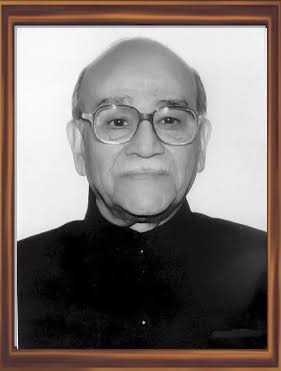
Birendranath Sircar, widely known as B.N. Sircar, was a monumental pillar and visionary pioneer of Indian cinema. As the founder of the legendary New Theatres Calcutta, he shaped the golden era of Bengali and Hindi filmmaking, turning cinematic art in India into a medium of high aesthetic value, social conscience, and technical innovation.
2. Quick Facts
- Full Name: Birendranath Sircar (also spelled Birendra Nath Sarkar)
- Native Name: বীরেন্দ্রনাথ সরকার
- Date of Birth: July 5, 1901
- Place of Birth: Bhagalpur, Bengal Presidency, British India (now in Bihar)
- Nationality: Indian
- Occupation/Profession: Film Producer, Studio Owner, Civil Engineer
- Field of Achievement: Indian Cinema (Founder of New Theatres, Pioneer of Sound & Playback Technology)
- Years Active: 1930–1955
3. Award Information (Dadasaheb Phalke Award)
- Award Name: Dadasaheb Phalke Award
- Award Category: India’s highest award in cinema for lifetime contribution
- Award Year: 1970 (Presented in 1971)
- Presented By: Government of India
- Date of Ceremony: 1971
- Citation/Official Reason: For outstanding lifetime contribution to the growth and development of Indian cinema.
- Previous Recipient: Devika Rani (1969)
- Next Recipient: Prithviraj Kapoor (1971, posthumous)
4. Why He Received the Award
B.N. Sircar received the Dadasaheb Phalke Award for laying the strong corporate and artistic foundation of Indian studio filmmaking. Through New Theatres, he fostered an environment of creative freedom that nurtured legendary directors (like Bimal Roy and P.C. Barua), introduced revolutionary technical milestones like playback singing, and produced socially relevant, content-driven cinema that elevated Indian films to international standards.
5. Early Life
Born into a prominent and elite Bengali family, Birendranath was the second son of Sir Nripendra Nath Sircar, who served as the Advocate-General of Bengal and a member of the Viceroy’s Executive Council. Growing up in an intellectual environment, Sircar was exposed to high culture, literature, and administrative discipline early in life, which deeply influenced his refined artistic sensibilities.
6. Education
- Schooling: Hindu School, Kolkata
- Higher Education: Studied Civil Engineering at the City and Guilds of London Institute, University of London.
7. Career Journey
Sircar initially returned to India trained as a civil engineer and began working as a contractor. His life took a pivotal turn when he was contracted to build a cinema hall (Chitra theatre, later renamed Mitra). Fascinated by the medium, he briefly ventured into film distribution and silent film production (International Film Craft) before establishing New Theatres Ltd. on February 10, 1931. For the next 24 years, he managed the studio, producing over 150 path-breaking films across Bengali, Hindi, and Tamil languages.
8. Major Achievements
- Founder of New Theatres Ltd.: Created a legendary cinematic hub in Tollygunge, Calcutta, often called the “Bhubaneswar or Hollywood of the East” during its prime.
- Pioneer of Playback Singing: Facilitated the introduction of playback singing in India for the film Bhagya Chakra (1935) and its Hindi version Dhoop Chhaon.
- Nurturing Cinematic Icons: Launched and shaped the careers of iconic directors, music directors, and actors such as K.L. Saigal, Pankaj Mullick, P.C. Barua, Bimal Roy, Debaki Bose, and Nitin Bose.
- Adaptation of Classics: Brought monumental works of literary giants like Rabindranath Tagore, Sarat Chandra Chattopadhyay, and Bankim Chandra Chattopadhyay to the silver screen.
9. Contribution to the Nation
Beyond entertainment, Sircar used cinema as a tool for social reform. Films produced under his banner addressed heavy social taboos, caste issues, poverty, and women’s rights (e.g., Mukti, Daktar, and Udayer Pathey). He also served on critical national bodies, including the Government of India Film Enquiry Committee (1949), the Central Film Censor Board, and as President of the Film Federation of India, helping structure the modern framework of Indian cinema policy.
10. Other Awards and Honours
- Padma Bhushan (1972): India’s third-highest civilian honor, awarded by the Government of India.
- Commemorative Postage Stamp (2013): Issued by India Post as part of the “100 Years of Indian Cinema” celebrations.
11. Legacy and Influence
B.N. Sircar set the benchmark for elite artistic integrity and production discipline in Indian films. He operated not as an authoritarian studio boss, but as an executive producer who gave creative masters complete financial backing and total artistic freedom. His studio’s famous elephant logo became a nationwide stamp of quality assurance.
12. Interesting Facts
- The “Gol Ghar”: Sircar built a special circular gazebo (Gol Ghar) overnight at the New Theatres studio grounds specifically so that Nobel laureate Rabindranath Tagore would have a cool, comfortable environment to shoot his directorial venture Natir Puja (1932).
- The Studio Motto: The corporate motto of New Theatres was “Jivatang Jyotiretu Chhayam”—a Sanskrit phrase meaning “Light infusing shadows with life.”
- International Acclaim: Legendary international filmmakers like Frank Capra, Jean Renoir, and Vsevolod Pudovkin visited the New Theatres studio while touring India due to its global reputation.
13. Quotes
“Jivatang Jyotiretu Chhayam” — Company Motto (Light infusing shadows with life)
14. Timeline
- 1901: Born on July 5 in Bhagalpur, Bengal Presidency.
- 1930: Built and launched the Chitra cinema hall in Calcutta.
- 1931: Founded New Theatres Ltd. on February 10; released the studio’s first film, Dena Paona.
- 1935: Introduced playback singing to Indian cinema with Bhagya Chakra / Dhoop Chhaon.
- 1949: Served on the Government of India Film Enquiry Committee.
- 1970: Awarded the prestigious Dadasaheb Phalke Award.
- 1972: Honored with the Padma Bhushan.
- 1980: Passed away on November 28 in Calcutta.
15. References
- Wikipedia contributors. “Birendranath Sircar.” Wikipedia, The Free Encyclopedia.
- Raha, Kironmoy. Bengali Cinema. Nandan, West Bengal Film Centre.
- The Statesman. “B.N. Sircar: Man who transformed Bangla Film industry”.
- Film Federation of India. Dadasaheb Phalke Award Winners Directory.
16. Related Personalities
- P.C. Barua (Director/Actor)
- Bimal Roy (Director/Cinematographer)
- Debaki Bose (Director)
- K.L. Saigal (Legendary Singer/Actor)
- Raichand Boral (Music Composer)
- Pankaj Mullick (Music Director/Singer)
- Dadasaheb Phalke (Pioneer of Indian Cinema)
17. Frequently Asked Questions (FAQ)
Q: Who was B.N. Sircar?
A: B.N. Sircar was an iconic Indian film producer and the founder of New Theatres Calcutta, a studio that drove the golden era of structured, high-quality filmmaking in India.
Q: What was New Theatres’ biggest contribution to Indian cinema?
A: New Theatres is globally credited with introducing playback singing to Indian cinema in 1935 (Bhagya Chakra / Dhoop Chhaon), alongside raising artistic storylines and setting high technical sound standards.
Q: When did B.N. Sircar receive the Dadasaheb Phalke Award?
A: He was awarded the Dadasaheb Phalke Award in 1970 (presented at the official ceremony in 1971).
Q: Did B.N. Sircar direct any films?
A: No, Sircar strictly functioned as an executive producer and studio head. He preferred to give his directors complete creative autonomy and financial support rather than interfering on the set.
About the Author