Introduction
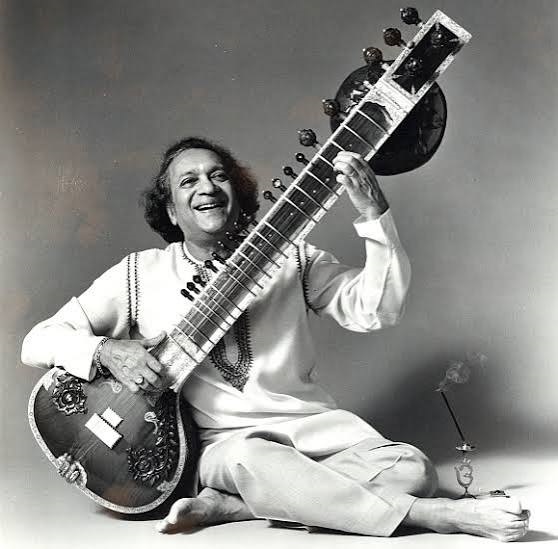
Ravi Shankar was one of the greatest Indian classical musicians of the 20th century and is widely regarded as the world’s most celebrated sitar maestro. Through his extraordinary talent, innovative compositions, and international collaborations, he introduced Indian classical music to audiences across the globe. His performances, recordings, and dedication to preserving India’s musical heritage earned him worldwide acclaim. In recognition of his exceptional contributions to music and culture, he was awarded the Padma Vibhushan in 1981. He later received India’s highest civilian honour, the Bharat Ratna, in 1999.
Why Did He Receive the Padma Vibhushan Award?
Ravi Shankar received the Padma Vibhushan in 1981 for his outstanding contributions to:
- Indian classical music.
- Popularizing the sitar on the international stage.
- Promoting Indian culture worldwide through music.
- Composing original works that blended traditional Indian music with global influences.
- Strengthening cultural ties between India and other countries through artistic collaboration.
His lifelong dedication helped establish Indian classical music as a respected global art form.
Career and Achievements
Ravi Shankar enjoyed an extraordinary career spanning more than seven decades.
Some of his major achievements include:
- Became one of the world’s foremost sitar players.
- Trained under the legendary musician Allauddin Khan of the Maihar Gharana.
- Performed at prestigious venues across Asia, Europe, North America, and Australia.
- Collaborated with internationally renowned musicians, including George Harrison, helping introduce Indian music to Western audiences.
- Performed at iconic events such as the Monterey Pop Festival (1967) and the Concert for Bangladesh (1971).
- Composed music for films, orchestras, and ballets, blending Indian classical traditions with modern musical styles.
- Served as a nominated member of the Rajya Sabha from 1986 to 1992.
Early Life
Ravi Shankar was born into a Bengali family in Varanasi. During his childhood, he traveled across Europe with his elder brother Uday Shankar‘s dance troupe. Although he initially trained as a dancer, he later chose to devote himself entirely to music. Under the guidance of Allauddin Khan, he underwent rigorous training in Hindustani classical music and mastered the sitar.
Birth Date and Death
- Born: 7 April 1920
- Birthplace: Varanasi
- Died: 11 December 2012
- Place of Death: San Diego
- Age at Death: 92 years
Education and Career
Education
- Received his early education while traveling with his brother’s dance troupe.
- Studied Indian classical music under Allauddin Khan at Maihar for several years through the traditional guru-shishya system.
- Specialized in the sitar and Hindustani classical music.
Career
- International concert performer.
- Composer for films, orchestras, and stage productions.
- Cultural ambassador for Indian music.
- Rajya Sabha member (1986–1992).
- Mentor to numerous Indian and international musicians.
Field of Achievement
Ravi Shankar made exceptional contributions in:
- Indian Classical Music
- Instrumental Music
- Sitar Performance
- Music Composition
- Cultural Diplomacy
- Film Music
- Music Education
Awards and Honours
Ravi Shankar received numerous prestigious awards, including:
- Padma Bhushan (1967)
- Padma Vibhushan (1981)
- Bharat Ratna (1999) – India’s highest civilian honour.
- Grammy Awards (multiple wins, including a Lifetime Achievement Award).
- Ramon Magsaysay Award (1992).
- Honorary doctorates from universities around the world.
- Sangeet Natak Akademi Award and Sangeet Natak Akademi Fellowship.
Interesting Facts
- Ravi Shankar was instrumental in introducing Indian classical music to Western audiences during the 1960s.
- His close friendship with George Harrison of The Beatles greatly increased global interest in Indian music and the sitar.
- He composed the music for acclaimed films, including Pather Panchali, directed by Satyajit Ray.
- He was the father of internationally acclaimed musicians Anoushka Shankar and Norah Jones.
- His concerts attracted audiences from diverse cultures, making him one of India’s greatest cultural ambassadors.
- He continued performing internationally well into his later years.
Legacy and Inspiration
Ravi Shankar transformed the global perception of Indian classical music. His dedication to artistic excellence, innovation, and cultural exchange inspired musicians worldwide. Through his performances, teaching, and collaborations, he ensured that Indian music gained lasting recognition on the international stage.
His life continues to inspire aspiring musicians to preserve tradition while embracing creativity and global collaboration.
Contribution to the Nation
Ravi Shankar made lasting contributions to India by:
- Popularizing Indian classical music across the world.
- Elevating the status of the sitar as a globally recognized instrument.
- Promoting India’s cultural heritage through international performances.
- Inspiring generations of musicians in India and abroad.
- Strengthening cultural diplomacy through music.
- Contributing to Indian cinema, orchestral music, and music education.
His achievements greatly enhanced India’s cultural prestige and introduced millions worldwide to the richness of Indian classical music.
Conclusion
Ravi Shankar was a legendary sitar virtuoso, composer, and cultural ambassador whose music transcended borders and brought Indian classical traditions to the global stage. His extraordinary talent, lifelong dedication, and pioneering collaborations made him one of the most influential musicians in history. In recognition of his exceptional contributions, he was awarded the Padma Vibhushan in 1981, followed by the Bharat Ratna in 1999. His timeless music and enduring legacy continue to inspire artists and audiences around the world.
About the Author