

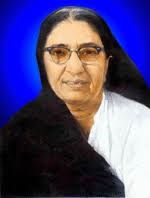
1. Introduction
Pushpaben Mehta was a renowned Indian social worker, women’s rights activist, freedom fighter, and politician from Gujarat. She dedicated more than five decades of her life to the upliftment of women, children, refugees, and marginalized communities. Pushpaben established several institutions for women’s welfare, promoted education, and actively participated in India’s freedom movement. In recognition of her exceptional contribution to social work, the Government of India conferred upon her the Padma Bhushan in 1956, India’s third-highest civilian award.
2. Quick Facts
| Item | Details |
|---|---|
| Full Name | Pushpaben Mehta |
| Native Name | પુષ્પાબહેન મહેતા (Gujarati) |
| Date of Birth | 21 March 1905 |
| Place of Birth | Prabhas Patan (Somnath), Gujarat, British India |
| Date of Death | 2 April 1988 |
| Nationality | Indian |
| Occupation / Profession | Social Worker, Freedom Fighter, Politician, Women’s Rights Activist |
| Field of Achievement | Social Work, Women’s Empowerment, Child Welfare |
| Years Active | 1920s–1988 |
| Known For | Women’s welfare, refugee rehabilitation, social reform, Padma Bhushan recipient |
3. Award Information
| Item | Details |
|---|---|
| Award Name | Padma Bhushan |
| Award Category | Social Work / Public Affairs |
| Award Year | 1956 |
| Presented By | President of India on behalf of the Government of India |
| Date of Ceremony | 26 January 1956 (award announced; investiture held subsequently) |
| Official Citation / Reason | Distinguished service in social work, women’s welfare, and public service |
| Previous Recipients | Not applicable (annual civilian honour) |
| Next Recipients | Conferred on other distinguished citizens in subsequent years |
4. Why Did Pushpaben Mehta Receive the Award?
Pushpaben Mehta received the Padma Bhushan for her remarkable contributions to Indian society, particularly in:
- Empowering women through education and vocational training.
- Establishing institutions for widows, destitute women, and orphaned children.
- Rehabilitating refugees after the Partition of India.
- Promoting rural development and community welfare in Gujarat.
- Supporting India’s freedom movement and nation-building through public service.
Her lifelong dedication to humanitarian causes made her one of India’s most respected social reformers.
5. Early Life
Pushpaben Mehta was born on 21 March 1905 in Prabhas Patan, near Somnath in present-day Gujarat. She belonged to a progressive family that valued education and public service. Inspired by the ideals of justice and equality from an early age, she became involved in social activities while still young.
During the Indian freedom struggle, she developed close associations with leaders who encouraged women to participate in public life. These experiences shaped her lifelong commitment to social reform.
6. Education
Pushpaben Mehta received her early education in Gujarat. She later pursued higher studies and became deeply interested in social sciences and public welfare. Although much of her work was driven by practical experience rather than formal academic specialization, she continually advocated education as the foundation for women’s empowerment.
7. Career Journey
Pushpaben Mehta devoted her career to social service rather than conventional employment.
Key milestones:
- Joined the Indian freedom movement in her youth.
- Organized welfare activities for women and children.
- Established several institutions dedicated to women’s education and rehabilitation.
- Worked extensively for refugee rehabilitation after the Partition of India.
- Served as a member of the Gujarat Legislative Assembly.
- Played an important role in shaping social welfare policies in Gujarat.
- Continued working for disadvantaged communities until the final years of her life.
8. Major Achievements
Some of her major accomplishments include:
- Established numerous women’s welfare organizations in Gujarat.
- Created rehabilitation centers for widows and destitute women.
- Worked for child welfare and orphan care.
- Promoted vocational education for economically disadvantaged women.
- Assisted thousands of refugees displaced during Partition.
- Encouraged women’s participation in politics and public administration.
- Helped improve social welfare legislation in Gujarat.
9. Contribution to the Nation
Pushpaben Mehta made lasting contributions to India’s development by:
- Improving opportunities for women through education and employment.
- Promoting gender equality and women’s rights.
- Rehabilitating refugees after Independence.
- Supporting rural women through vocational training.
- Encouraging social justice and community development.
- Strengthening voluntary organizations dedicated to public welfare.
Her work laid the foundation for many modern women’s welfare initiatives in Gujarat.
10. Other Awards and Honours
Besides the Padma Bhushan, Pushpaben Mehta received recognition from various social organizations and government institutions for her humanitarian work. Several educational and welfare institutions in Gujarat continue to commemorate her contributions through memorial lectures and awards.
11. Legacy and Influence
Pushpaben Mehta is remembered as one of Gujarat’s greatest social reformers.
Her legacy includes:
- Inspiring generations of women social workers.
- Establishing sustainable welfare institutions.
- Promoting women’s leadership.
- Advancing child welfare initiatives.
- Strengthening voluntary social service organizations.
Many institutions founded by her continue serving society today.
12. Interesting Facts
- She was among the earliest women leaders in Gujarat’s social reform movement.
- She actively participated in India’s freedom struggle.
- She dedicated nearly six decades to public service.
- She believed education was the strongest tool for women’s empowerment.
- She helped thousands of women become financially independent.
- She remained actively engaged in social work throughout her life.
13. Quotes
There are no widely authenticated quotations directly attributed to Pushpaben Mehta in reliable historical sources. For historical accuracy, it is best not to attribute inspirational quotes to her without documented evidence.
14. Timeline
| Year | Event |
|---|---|
| 1905 | Born in Prabhas Patan, Gujarat |
| 1920s | Joined social reform and freedom movement activities |
| 1930s–1940s | Established women’s welfare organizations |
| 1947 | Participated in refugee rehabilitation after Partition |
| 1956 | Received the Padma Bhushan |
| 1960s–1980s | Continued social welfare and public service |
| 1988 | Passed away on 2 April |
15. References
- Padma Awards – Official Padma Awards records.
- Government of Gujarat publications on notable personalities.
- Gujarati biographical works on Pushpaben Mehta and Gujarat’s social reform movement.
- Historical publications on Indian women freedom fighters and social reformers.
16. Related Personalities
- Kasturba Gandhi
- Hansa Mehta
- Mridula Sarabhai
- Anasuya Sarabhai
- Mahatma Gandhi
17. Frequently Asked Questions (FAQ)
Q1. Who was Pushpaben Mehta?
Pushpaben Mehta was an Indian social reformer, freedom fighter, politician, and women’s rights activist from Gujarat.
Q2. When was Pushpaben Mehta born?
She was born on 21 March 1905.
Q3. Which award did Pushpaben Mehta receive?
She received the Padma Bhushan in 1956.
Q4. Why was she awarded the Padma Bhushan?
She was honored for her outstanding contributions to social work, women’s welfare, refugee rehabilitation, and public service.
Q5. What was Pushpaben Mehta famous for?
She was known for establishing welfare institutions, promoting women’s education, supporting child welfare, and rehabilitating refugees after Partition.
Q6. Did Pushpaben Mehta participate in India’s freedom movement?
Yes. She actively supported the Indian freedom movement and later dedicated her life to nation-building through social service.
Q7. When did Pushpaben Mehta die?
She passed away on 2 April 1988.
Q8. What is Pushpaben Mehta’s legacy?
Her enduring legacy lies in her pioneering work for women’s empowerment, child welfare, refugee rehabilitation, and the development of social welfare institutions that continue to benefit society.
About the Author




