

1. Introduction
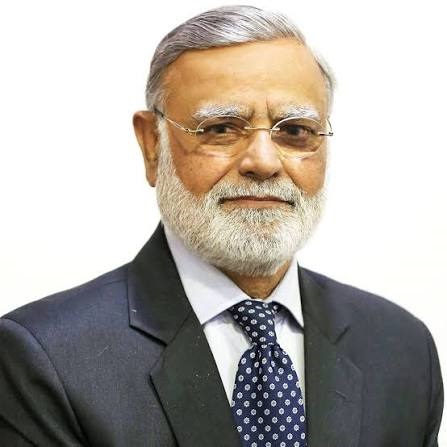
Prabhu Chawla is one of India’s most influential, fearless, and authoritative journalists, political analysts, and media administrators. With a career spanning over four decades, he has witnessed, documented, and fiercely critiqued the evolution of modern Indian politics from the corridors of power. Known for his trademark aggressive questioning, unmatched political scoops, and unyielding investigative rigor, Chawla has left an indelible stamp on both print and television journalism in India.
2. Quick facts
- Full Name: Prabhu Chawla
- Native Name: प्रभु चावला (Hindi)
- Date of birth: October 2, 1946
- Place Of birth: Dera Ghazi Khan, Punjab, British India (present-day Pakistan)
- Nationality: Indian
- Occupation/ Profession: Journalist, Author, Television Anchor, and Media Executive
- Field of Achievement: Political Journalism, Investigative Reporting, and Broadcast Media
- Years Active: Early 1970s – Present
3. Award Information
- Award Name: Padma Bhushan
- Award Category: India’s Third-Highest Civilian Award
- Award Year: 2003
- Presented By: Government of India (Conferred by President A. P. J. Abdul Kalam)
- Date of Ceremony: Republic Day honors cycle, 2003
- Citation/Official Reason: For distinguished service and exceptional contributions to the field of journalism and public affairs.
- Previous Recipients (Examples): Prominent journalists, educationists, and public servants.
- Next Recipients: Conferred annually as part of national civilian honors.
4. Why they Receive the award?
Prabhu Chawla was conferred the Padma Bhushan in 2003 in recognition of his decades-long dedication to fearless, investigative journalism. Throughout volatile political shifts, coalition eras, and major national crises, his reporting maintained high standards of accountability, holding prime ministers, ministers, and political heavyweights strictly accountable through penetrating interviews and analytical columns.
5. Early Life
Prabhu Chawla was born on October 2, 1946, in Dera Ghazi Khan (now in Pakistan) just before the partition of India. Growing up in a refugee family that migrated to India, he experienced the trials and resilience characteristic of post-partition generations. Settling in Delhi, he cultivated a sharp intellect, developing a deep fascination with public policy, economics, and national governance during his formative student years.
6. Education
- Schooling: Completed foundational school education in Delhi.
- Undergraduate Studies: Graduated with a degree in Economics/Political Science from Ramjas College / Deshbandhu College, University of Delhi.
- Post-Graduation: Earned a Master of Arts (M.A.) degree in Political Science from the University of Delhi.
- Early Profession: Before diving into full-time journalism, he briefly served as an economics lecturer at Delhi University.
7. Carrier Journey
- Entering Journalism: Transitioned from academia to mainstream media in the 1970s, quickly making his mark with high-impact investigative reports.
- The India Today Era: Spent many formative years as a principal correspondent and later Editor of India Today, shaping it into India’s most influential news magazine.
- Print Leadership: Served as Editor of The Indian Express and The Financial Express (1991–1996). Later returned to the India Today Group as Editorial Director.
- Television Pioneer: Broke new ground in political television by hosting iconic, no-holds-barred interview shows like Seedhi Baat (Aaj Tak) and Teekhi Baat (IBN7), grilling top national leaders.
- Current Role: Serves as the Editorial Director of The New Indian Express Group and The Sunday Standard.
8. Major Achievements
- Padma Bhushan Conferred (2003): One of the very few working print and broadcast journalists to be awarded India’s third-highest civilian honor.
- Broadcast Accolades: Won multiple Indian Television Academy (ITA) Awards for Best Talk Show Host and Best News Anchor.
- Journalistic Milestones: Recipient of premier media recognitions including the G.K. Reddy Memorial Award and the Feroze Gandhi Memorial Award for investigative reporting.
- Unprecedented Access: Known for breaking major political stories and securing rare, exclusive interviews across ideological divides for decades.
9. Contribution to the nation
Prabhu Chawla helped anchor the watchdog role of the press in independent India. By refusing to bow down to political pressure, institutional intimidation, or partisan loyalties, his reporting fostered a culture of transparency and public accountability. His television programs democratized politics, bringing raw, direct accountability loops straight into the living rooms of millions of Indian citizens.
10. Other Awards and Honours
- Padma Bhushan (2003) – Government of India
- Feroze Gandhi Memorial Award (1985–86) – For investigative reporting
- G.K. Reddy Memorial Award (1989) – For national and international reporting
- Indian Television Academy (ITA) Award (Multiple wins across 2005, 2008, 2009) for Best Anchor and Talk Show
- Lifetime Achievement Award (5th IMWA Awards, 2016)
- Punjabi Icon Award (2016)
11. Legacy and influence
Chawla represents a golden bridge between traditional investigative print journalism and high-impact political broadcast media. Generations of reporters and anchors have studied his interview techniques—characterized by relentless cross-questioning, thorough preparation, and absolute fearlessness. His columns and editorial oversight continue to steer major policy debates in contemporary India.
12. Interesting Facts
- The Economics Roots: Though he became synonymous with rough-and-tumble political reporting, Chawla actually began his professional life teaching economics at Delhi University.
- Cameo on Silver Screen: Beyond news studios, he has even made special cameo appearances playing himself in mainstream Hindi cinema, such as in Madhur Bhandarkar’s acclaimed film Halla Bol (2008).
- A Century of Energy: Even after decades in the limelight, he maintains an indefatigable daily news cycle routine, managing digital editions, writing sharp weekly columns, and recording high-profile interviews.
13. Quotes
“Journalism is not about pleasing those in power; it is about asking the uncomfortable questions that those in power wish to avoid.”
“In a democracy, the media is the permanent opposition. If the press stops questioning, accountability dies.”
14. Timeline
- 1946: Born on October 2 in Dera Ghazi Khan (British India).
- 1970s: Begins career in academia before transitioning into print journalism and investigative reporting.
- 1991–1996: Serves as Editor of The Indian Express and The Financial Express.
- 2003: Conferred the prestigious Padma Bhushan by the President of India.
- 2000s: Launches and hosts legendary political TV interview formats like Seedhi Baat on Aaj Tak.
- 2016: Honored with a Lifetime Achievement Award at the IMWA ceremonies.
- Present: Serves as the Editorial Director of The New Indian Express Group, continuing his incisive commentary across print and digital media platforms.
15. References
- Ministry of Home Affairs, Government of India – Padma Awards Directories.
- Official corporate profiles of The New Indian Express Group.
- Biographical archives from the Indian Television Academy (ITA) and Wikipedia logs.
- Collected editorial columns and broadcast archives (Seedhi Baat / Teekhi Baat).
16. Related Personalities
- Arun Shourie (Veteran journalist, author, and contemporary media heavyweight)
- Vinod Dua (Legendary television pioneer and political broadcaster)
- M. J. Akbar (Prominent Indian journalist, author, and former editor)
- Madhu Trehan (Co-founder of India Today and veteran media commentator)
17. Frequently Asked Questions (FAQ)
Q1: What is Prabhu Chawla most famous for?
A: Prabhu Chawla is famous for his decades-long career as an investigative journalist, his tenure as editor of top Indian publications like India Today and The New Indian Express, and his aggressive political television interview shows like Seedhi Baat.
Q2: What is the highest civilian honor he has received?
A: He was awarded the Padma Bhushan in 2003 by the Government of India for his outstanding contributions to journalism.
Q3: Which media house does he currently head?
A: He serves as the Editorial Director of The New Indian Express Group and The Sunday Standard.
About the Author




