Introduction
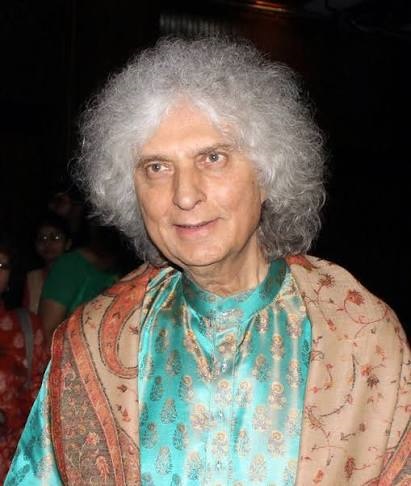
Shivkumar Sharma was one of India’s greatest classical musicians and the artist who transformed the santoor, a traditional folk instrument from Jammu and Kashmir, into a globally respected instrument of Hindustani classical music. Through decades of exceptional performances, recordings, and compositions, he introduced millions of listeners to the beauty of the santoor. His extraordinary contribution to Indian music earned him the Padma Vibhushan, one of the country’s highest civilian honours.
Early Life
Pandit Shivkumar Sharma was born into a musical family in Jammu, where his father, Uma Dutt Sharma, was a respected vocalist and music teacher. From a young age, Shivkumar Sharma was trained in classical music and initially learned singing and tabla before dedicating himself to the santoor.
At that time, the santoor was mainly used as a folk instrument. Under his father’s guidance, he developed new playing techniques that enabled the instrument to perform the intricate nuances of Hindustani classical music.
Birth Date and Death
- Full Name: Pandit Shivkumar Sharma
- Date of Birth: 13 January 1938
- Place of Birth: Jammu, Jammu and Kashmir, India
- Date of Death: 10 May 2022
- Place of Death: Mumbai, Maharashtra, India
- Age at Death: 84 years
Education and Career
Education
Shivkumar Sharma received his formal education in Jammu while simultaneously undergoing rigorous musical training from his father. Rather than pursuing a university degree in music, he devoted himself to years of traditional guru-shishya training.
Career
His professional music career began in the 1950s when he performed across India. In 1955, he gave one of the first major classical santoor performances, proving that the instrument could hold its own in classical concerts.
Over the following decades, he performed in prestigious music festivals worldwide and collaborated with leading Indian classical musicians.
Along with Hariprasad Chaurasia, he formed the famous composer duo Shiv-Hari, creating memorable music for several acclaimed Hindi films.
Why Did He Receive the Padma Vibhushan Award?
Pandit Shivkumar Sharma received the Padma Vibhushan in 2023 (posthumously) in recognition of his lifelong contribution to Indian classical music.
He was honoured because he:
- Elevated the santoor to the status of a Hindustani classical concert instrument.
- Popularized Indian classical music across the globe.
- Inspired generations of musicians through performances and teaching.
- Preserved and enriched India’s rich musical heritage.
- Made lasting contributions as both a performer and composer.
His work significantly expanded the global appreciation of Indian classical music.
Career and Achievements
Pandit Shivkumar Sharma enjoyed an illustrious career spanning more than six decades.
Some of his major achievements include:
- Introduced the santoor to mainstream Hindustani classical music.
- Performed at leading music festivals around the world.
- Released numerous acclaimed classical music albums.
- Composed film music as part of the Shiv-Hari duo.
- Collaborated with renowned musicians from India and abroad.
- Mentored young musicians and promoted classical music education.
- Became one of the most respected ambassadors of Indian music worldwide.
Field of Achievement
His primary fields of achievement include:
- Hindustani Classical Music
- Santoor Performance
- Instrumental Music
- Music Composition
- Film Music
- Cultural Preservation
- Music Education
Awards and Honours
Pandit Shivkumar Sharma received numerous prestigious awards throughout his career.
Some of the major honours include:
- Padma Shri (1991)
- Padma Bhushan (2001)
- Padma Vibhushan (2023, posthumously)
- Sangeet Natak Akademi Award
- Sangeet Natak Akademi Fellowship (Akademi Ratna)
- Maharashtra Gaurav Award
- Various Lifetime Achievement Awards from cultural organizations in India and abroad
Interesting Facts
- Shivkumar Sharma is credited with making the santoor a respected instrument in Hindustani classical music.
- Before his efforts, the santoor was mainly played as a folk instrument in Kashmir.
- He developed new techniques and modified the instrument to suit classical performances.
- He performed in more than 60 countries during his career.
- His film music with the Shiv-Hari duo includes popular movies such as Silsila, Chandni, Lamhe, and Darr.
- His son, Rahul Sharma, has continued his musical legacy.
Legacy and Inspiration
Pandit Shivkumar Sharma’s legacy lives on through his recordings, compositions, and disciples. He transformed an instrument with regional roots into a symbol of Indian classical excellence recognized across the world.
His dedication, discipline, and innovation continue to inspire musicians to preserve tradition while embracing creativity. His performances remain an important part of India’s cultural heritage.
Contribution to the Nation
Pandit Shivkumar Sharma made remarkable contributions to India’s cultural identity.
His contributions include:
- Popularizing the santoor internationally.
- Promoting Indian classical music on global stages.
- Preserving India’s rich musical traditions.
- Inspiring young musicians through performances and mentorship.
- Enhancing India’s cultural diplomacy through music.
- Composing timeless film music that introduced classical elements to wider audiences.
His work strengthened India’s reputation as a nation with a rich and vibrant musical heritage.
Conclusion
Pandit Shivkumar Sharma was a visionary musician whose talent, dedication, and innovation transformed Indian classical music. By elevating the santoor from a regional folk instrument to an internationally respected classical instrument, he created a lasting cultural legacy. His exceptional performances, timeless compositions, and commitment to preserving India’s musical traditions earned him the Padma Vibhushan, one of the nation’s highest honours. His life continues to inspire musicians and music lovers around the world, ensuring that his contribution to Indian culture will be remembered for generations.
About the Author