

1. Introduction
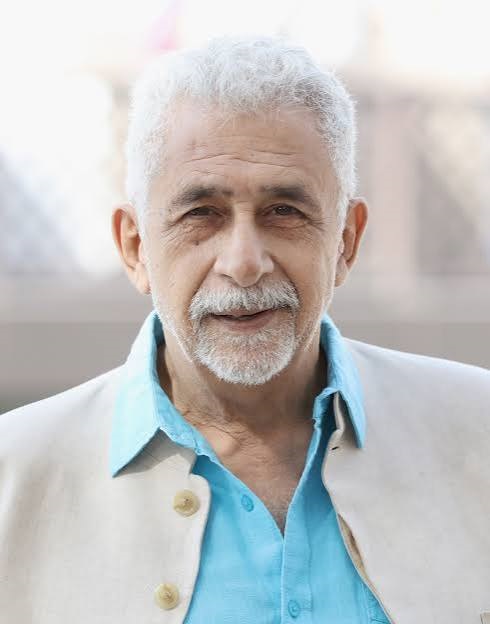
Naseeruddin Shah is widely regarded as one of the finest and most versatile actors in the history of Indian cinema. A titan of both the parallel (art-house) cinema movement of the 1970s–80s and mainstream commercial Bollywood, Shah has built a legendary career spanning over five decades. Known for his intense performances, intellectual depth, and uncompromising commitment to his craft, he has left an indelible mark on Indian stage, film, and television.
2. Quick facts
- Full Name: Naseeruddin Shah
- Native Name: नसीरुद्दीन शाह (Hindi) / ناصرالدین شاہ (Urdu)
- Date of birth: July 20, 1950
- Place Of birth: Barabanki, Uttar Pradesh, India
- Nationality: Indian
- Occupation/ Profession: Actor, Director
- Field of Achievement: Film Acting, Theatre, and Performing Arts
- Years Active: 1972–Present
3. Award Information
- Award Name: Padma Shri / Padma Bhushan / National Film Awards / Volpi Cup
- Award Category: National Civilian Honours & International Film Recognition
- Award Year: Padma Shri (1987), Padma Bhushan (2003), National Film Awards (1979, 1984, 2006)
- Presented By: The President of India / Government of India / Venice Film Festival (Volpi Cup)
- Date of Ceremony: Conferred during respective national Republic Day investiture ceremonies and international film festivals.
- Citation/Official Reason: Recognized for his pioneering contributions to Indian cinema, bringing raw realism to screen acting, and elevating the global stature of Indian art and theater.
- Previous Recipients (optional): Eminent Indian artists, cultural icons, and cinematic pioneers.
- Next Recipients: Conferred among India’s highest national civilian and artistic awardees.
4. Why they Receive the award?
Shah received these prestigious honors for his monumental role in revolutionizing narrative cinema in India. Through path-breaking performances in parallel cinema classics and powerhouse turns in mainstream hits, he redefined what it meant to be a leading man, prioritizing character authenticity, theatrical rigor, and social resonance over conventional stardom.
5. Early Life
Born into a traditional Muslim family in Barabanki, Uttar Pradesh, Shah grew up alongside two brothers. His family background had strong military and civil service roots (his elder brother, Lt. Gen. Zameeruddin Shah, served with high distinction in the Indian Army). Despite initial familial resistance toward a career in acting, young Naseeruddin nurtured a deep-seated passion for theater, which eventually steered him away from conventional paths.
6. Education
- Schooling: St. Anselm’s Ajmer School (Rajasthan) and St. Joseph’s College (Nainital).
- Higher Education: Bachelor of Arts degree from Aligarh Muslim University (AMU) in 1971.
- Professional Training: Graduated from the prestigious National School of Drama (NSD) in New Delhi and subsequently trained at the Film and Television Institute of India (FTII) in Pune.
7. Carrier Journey
- Beginnings: Started on stage before transitioning to the screen in the mid-1970s, establishing himself as a vital pillar of the Indian New Wave (parallel cinema) under visionary directors like Shyam Benegal and Govind Nihalani.
- Breakthrough Roles: Earned critical acclaim through seminal films like Nishant (1975), Aakrosh (1980), Sparsh (1979), and Paar (1984).
- Commercial and Global Crossover: Successfully bridged art and commerce with hits like Masoom (1983), Karma (1986), Sarfarosh (1999), and international projects like Hollywood’s The League of Extraordinary Gentlemen (2003) alongside Sean Connery.
8. Major Achievements
- Won three National Film Awards (Best Actor for Sparsh and Paar; Best Supporting Actor for Iqbal).
- Won the prestigious Volpi Cup for Best Actor at the Venice Film Festival (1984) for his performance in Paar.
- Conferred India’s third and fourth highest civilian honors: the Padma Bhushan (2003) and Padma Shri (1987).
- Co-founded the theatre group Motley Productions in 1977, keeping Urdu and English literature alive on Indian stages.
9. Contribution to the nation
Shah enriched India’s cultural tapestry by injecting uncompromising artistic integrity into its film industry. By steering cinema away from hollow formulas toward realistic portrayals of human struggles, he gave voice to marginalized narratives. Furthermore, through decades of theatrical staging, he preserved classical literature and mentored generations of younger actors.
10. Other Awards and Honours
- Sangeet Natak Akademi Award (2000)
- Filmfare Awards (Multiple wins, including Best Actor for Aakrosh and Chakra, and Best Supporting Actor for Masoom)
- IIFA Award for Best Performance in a Negative Role (Sarfarosh, 2000)
- Bengal Film Journalists’ Association (BFJA) Awards for Best Actor
11. Legacy and influence
Naseeruddin Shah is looked up to as an institution unto himself. He shattered the rigid boundaries that historically separated commercial “Bollywood” stars from serious character actors. His intellectual depth, fearless candor, and devotion to ensemble acting continue to inspire modern OTT and indie filmmakers across India.
12. Intersting Facts
- The Cricket and Theatre Turn: As a teenager, Shah was an avid cricketer and football player before falling completely under the spell of dramatic arts.
- Author: He published a deeply candid, widely acclaimed memoir titled And Then One Day: A Memoir in 2014.
- Portraying Mahatma Gandhi: He famously and memorably played Mahatma Gandhi in Kamal Haasan’s historical drama Hey Ram (2000).
13. Quotes
“An actor’s tool is his own body, his own psyche, his own mind. If you don’t explore those, you are just a puppet.” — Naseeruddin Shah
14. Timeline
- 1950: Born on July 20 in Barabanki, Uttar Pradesh.
- 1971–1973: Completed training at the National School of Drama (NSD) and FTII.
- 1975: Made his formal feature film debut in Shyam Benegal’s Nishant.
- 1980 & 1985: Won National Film Awards for Best Actor (Sparsh and Paar).
- 1987: Awarded the Padma Shri by the Government of India.
- 2003: Honored with the Padma Bhushan.
- 2006: Made his feature film directorial debut with Yun Hota Toh Kya Hota.
- 2014: Published his autobiography, And Then One Day: A Memoir.
15. References
- Wikipedia: Naseeruddin Shah Profile & Filmography
- Encyclopædia Britannica: Naseeruddin Shah Biography
- National Film Archive of India (NFAI) Archives
16. Related Personalities
- Om Puri (Lifelong friend, collaborator, and fellow NSD alumnus)
- Ratna Pathak Shah (Wife and renowned actress)
- Shyam Benegal (Pioneering parallel cinema director)
- Shabana Azmi (Frequent co-star in parallel cinema)
- Imaad Shah & Vivaan Shah (Sons and actors)
17. Frequency Asked Questions (FAQ)
- Q: Who is Naseeruddin Shah?
- A: He is a legendary Indian actor and director renowned as a pioneer of parallel cinema and one of India’s most critically acclaimed performers.
- Q: What are his highest civilian honors?
- A: He has been awarded the Padma Shri (1987) and the Padma Bhushan (2003) by the Government of India.
- Q: Has he won international film awards?
- A: Yes, he won the prestigious Volpi Cup for Best Actor at the Venice Film Festival in 1984 for his role in the film Paar.
About the Author




