
1. Introduction
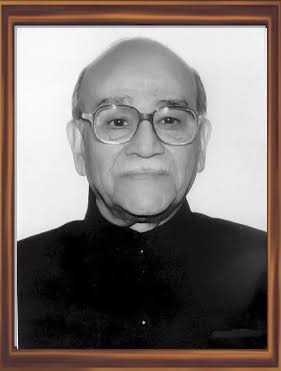
Captain Mohan Singh Kohli (11 December 1931 – 23 June 2025) was a distinguished Indian mountaineer, naval officer and adventure-sports pioneer. He is best remembered as the leader of India’s first successful expedition to Mount Everest in 1965.
The 1965 Indian Everest Expedition was a landmark moment in Indian mountaineering. Under Kohli’s leadership, nine Indian climbers reached the summit of Mount Everest, creating a world record for the largest number of climbers from one expedition to reach the summit in a single season. The record remained unbroken for many years.
Kohli had already participated in unsuccessful Indian attempts on Everest in 1960 and 1962. His experience from those expeditions helped him prepare and lead the successful 1965 mission.
The Government of India honoured him with the Padma Bhushan in 1965 in the field of Sports. The official Gazette described him as “Lieutenant Commander Mohan Singh Kohli, Leader, Indian Everest Expedition, 1965.”
Beyond Everest, Kohli made major contributions to Indian mountaineering, adventure training and Himalayan exploration. He later served as President of the Indian Mountaineering Foundation and helped establish the Himalayan Environment Trust.
2. Quick Facts
| Particular | Information |
|---|---|
| Full Name | Mohan Singh Kohli |
| Popular Name | Captain M. S. Kohli / Mohan Singh Kohli |
| Born | 11 December 1931 |
| Birthplace | Haripur, North-West Frontier Province, British India (now in Pakistan) |
| Died | 23 June 2025 |
| Place of Death | New Delhi, India |
| Nationality | Indian |
| Profession | Mountaineer, naval officer and adventure-sports promoter |
| Military Rank | Captain |
| Military Background | Indian Navy; later Indo-Tibetan Border Police |
| Field of Achievement | Mountaineering / Sports |
| Major Achievement | Led India’s first successful Everest expedition in 1965 |
| Everest Summit Year | 1965 |
| Major Civilian Honour | Padma Bhushan |
| Other Major Honour | Arjuna Award |
| Military Honour | Ati Vishisht Seva Medal (AVSM) |
| IMF Leadership | President, Indian Mountaineering Foundation, 1989–1993 |
| Environmental Organisation | Co-founder, Himalayan Environment Trust |
His birthplace, military background, mountaineering career and major honours are documented in biographical and mountaineering sources.
3. Award Information
Padma Bhushan
| Award Detail | Information |
| Award Name | Padma Bhushan |
| Award Category | Sports |
| Award Year | 1965 |
| Official Name in Gazette | Lieutenant Commander Mohan Singh Kohli |
| State/Place in Padma Database | Delhi |
| Presented By | President of India |
| Official Description | Leader, Indian Everest Expedition, 1965 |
| Official Gazette Date | 23 June 1965 |
| Individual Investiture Date | Not established from the official online record |
The official Government of India Gazette notification was published on 23 June 1965. It awarded the Padma Bhushan to Lieutenant Commander Mohan Singh Kohli and specifically identified him as the leader of the Indian Everest Expedition, 1965.
The current official Padma Awards database categorises his award under Sports and lists his place as Delhi.
Other 1965 Everest awardees
The 1965 Everest expedition received several national honours. The official Gazette awarded Padma Bhushan to:
- Lieutenant Commander Mohan Singh Kohli
- Nawang Gombu
- Sonam Gyatso
The Gazette also lists several members of the expedition among the Padma Shri awardees.
The expedition members also received the Arjuna Award as a group in recognition of their sporting achievement.
4. Why Did Mohan Singh Kohli Receive the Award?
Mohan Singh Kohli received the Padma Bhushan in 1965 for Sports because of his outstanding achievement in mountaineering and, particularly, his leadership of India’s successful Everest expedition.
The 1965 expedition was historic because:
- It was India’s first successful expedition to Mount Everest.
- Nine climbers reached the summit.
- It established a major world record for the number of climbers reaching Everest’s summit from one expedition.
- Kohli had already gained valuable experience from India’s unsuccessful Everest expeditions of 1960 and 1962.
- His leadership combined planning, logistics, technical mountaineering and team management.
The official Gazette gives the concise reason through his designation: leader of the Indian Everest Expedition, 1965.
The achievement became a major source of national pride. Indira Gandhi later described the expedition as a remarkable example of planning, organisation, teamwork, individual effort and leadership.
5. Early Life
Mohan Singh Kohli was born on 11 December 1931 in Haripur, then in the North-West Frontier Province of British India and now part of Pakistan.
He grew up in the mountainous region around Haripur and developed an early familiarity with hills, streams and rugged terrain. His childhood environment played an important role in developing his lifelong fascination with mountains and adventure.
The upheaval of the Partition of India also deeply affected his generation. Kohli later recalled witnessing violence during the Partition period, an experience that became an important part of his personal history.
His early exposure to the mountains eventually developed into a passion for mountaineering.
6. Education and Military Training
Kohli pursued a career in the armed forces and joined the Indian Navy.
His military career gave him a foundation in discipline, leadership, physical endurance and organisational planning—all qualities that later became valuable during Himalayan expeditions.
During his naval service, he promoted adventure training and developed an interest in using mountaineering as a means of building physical and mental resilience.
He later joined the Indo-Tibetan Border Police (ITBP), where his mountaineering expertise became particularly valuable.
Kohli helped develop the ITBP into a force capable of operating in the difficult Himalayan environment along India’s northern frontier.
7. Career Journey
Early Mountaineering
Kohli began participating in major Himalayan expeditions during the 1950s.
One of his early notable expeditions was the 1956 Saser Kangri expedition. He subsequently participated in numerous Himalayan climbing missions.
Over his career, he took part in approximately 20 major Himalayan expeditions, including important climbs and exploratory missions.
Nanda Kot and Annapurna III
Kohli participated in significant Himalayan expeditions including India’s first ascent of Nanda Kot and the first ascent of Annapurna III.
These experiences helped establish him as one of India’s leading mountaineers before the Everest success.
First Everest Attempts
India made an attempt on Mount Everest in 1960, but the expedition did not reach the summit.
Kohli was also part of the 1962 Indian Everest Expedition. During that attempt, he, Sonam Gyatso and Hari Dang climbed to approximately 28,600 feet—very close to the summit—but severe weather forced them to turn back.
These failures were important because they provided Kohli with valuable knowledge about Everest’s routes, weather, logistics and human endurance.
The Historic 1965 Everest Expedition
In 1965, Kohli was chosen to lead India’s third major attempt on Everest.
The expedition departed India in February 1965 and made its way through Nepal toward Everest Base Camp.
After an initial attempt was interrupted by bad weather, the expedition waited for improved conditions.
Between 20 and 29 May 1965, nine members of the Indian expedition reached the summit in several successive summit attempts.
This was India’s first successful ascent of Mount Everest.
International Recognition
The achievement generated enormous excitement in India. The expedition members were welcomed by government officials and received receptions across the country.
Kohli and other members of the team were also honoured internationally in places including Brussels, Paris, Geneva and Rome.
Later Career
After his Everest success, Kohli continued to work in mountaineering, tourism and adventure promotion.
He joined Air India in 1971 and helped promote Himalayan tourism internationally, giving more than a thousand presentations in many countries according to biographical accounts.
He later became a senior leader of the Indian mountaineering community.
8. Major Achievements
1. Led India’s First Successful Everest Expedition
Kohli’s greatest achievement was leading the 1965 Indian Everest Expedition, which successfully placed nine climbers on the summit.
2. Participated in Earlier Everest Attempts
His involvement in the unsuccessful 1960 and 1962 expeditions gave him valuable experience that contributed to the planning of the successful 1965 attempt.
3. Major Himalayan Expeditions
Kohli participated in approximately 20 major Himalayan expeditions and was involved in important climbs including Nanda Kot and Annapurna III.
4. Development of ITBP Mountaineering
He used his mountaineering expertise to help develop the Indo-Tibetan Border Police into a force capable of operating effectively in the Himalayan environment.
5. President of Indian Mountaineering Foundation
Kohli served as President of the Indian Mountaineering Foundation from 1989 to 1993.
6. Himalayan Environmental Conservation
In 1989, he co-founded the Himalayan Environment Trust, working with international mountaineering figures to promote protection of the Himalayan environment.
7. Padma Bhushan
The Government of India awarded him the Padma Bhushan in 1965 in Sports.
9. Contribution to the Nation
Mohan Singh Kohli’s contribution to India went beyond climbing Mount Everest.
His career helped establish mountaineering as an important field of sport, adventure, national service and youth development in India.
His work had several dimensions:
Promoting Indian mountaineering
The 1965 Everest success inspired a new generation of Indian climbers and adventure enthusiasts.
Strengthening Himalayan capabilities
His work with the ITBP contributed to India’s ability to operate in some of the world’s most difficult high-altitude environments.
Promoting adventure among young people
Kohli believed that adventure activities could develop courage, leadership, discipline and teamwork.
Promoting the Himalayas internationally
Through his work with Air India and later through international mountaineering activities, he helped introduce the Himalayan region to a wider global audience.
Environmental conservation
His involvement in establishing the Himalayan Environment Trust demonstrated his concern for protecting the fragile Himalayan ecosystem.
10. Other Awards and Honours
Padma Bhushan – 1965
Kohli received the Padma Bhushan in 1965 under the category Sports.
Arjuna Award – 1965
The members of the successful 1965 Everest expedition were recognised with the Arjuna Award as a group.
Ati Vishisht Seva Medal
Kohli was also associated with the Ati Vishisht Seva Medal (AVSM) for distinguished service.
IMF Gold Medal
His honours also included the Indian Mountaineering Foundation Gold Medal.
11. Legacy and Influence
Mohan Singh Kohli’s legacy is inseparable from India’s Everest story.
Before 1965, India had made serious attempts to climb Everest but had not succeeded. Kohli’s experience from the 1960 and 1962 expeditions helped him understand the difficulties involved in reaching the summit.
The 1965 expedition finally broke India’s Everest barrier.
Its success had a powerful effect on Indian society. It demonstrated that Indian climbers could compete at the highest level of international mountaineering and helped inspire greater interest in adventure sports.
His later work also ensured that his influence extended beyond one expedition. As a leader of the Indian Mountaineering Foundation and co-founder of the Himalayan Environment Trust, he contributed to both mountaineering development and environmental awareness.
His life therefore represents three interconnected themes:
Adventure → National achievement → Himalayan conservation
12. Interesting Facts
- Mohan Singh Kohli was born in Haripur in 1931, in what is now Pakistan.
- He became one of India’s most prominent mountaineers of the 20th century.
- He participated in the unsuccessful 1960 and 1962 Indian Everest expeditions before leading the successful 1965 expedition.
- He reached extremely high altitude during the 1962 Everest attempt, spending three consecutive nights near the summit during severe weather, according to biographical accounts.
- The 1965 expedition placed nine Indians on the summit of Everest.
- The achievement was India’s first successful ascent of Mount Everest.
- The official 1965 Gazette specifically identified Kohli as the leader of the Indian Everest Expedition when announcing his Padma Bhushan.
- He later served as President of the Indian Mountaineering Foundation from 1989 to 1993.
- He co-founded the Himalayan Environment Trust in 1989.
- He wrote several books on mountaineering and the Himalayas. The Indian Mountaineering Foundation’s library lists works by him including Indians on Everest, Mountaineering in India and The Himalayas.
- His book Nine Atop Everest: Spectacular Indian Ascent documents the historic expedition.
- He also wrote A Life Full of Adventures, an autobiographical account of his remarkable career.
- Kohli died in New Delhi on 23 June 2025, aged 93.
13. Quotes
One of Kohli’s frequently reported statements about Everest was:
“When we completed the expedition in 1965, we were the only team to climb the peak that year.”
He made this observation while discussing Everest and the changing nature of mountaineering in a 2019 interview.
Kohli also spoke extensively about his experiences in the Himalayas and the 1960s expeditions in later talks and interviews. His recorded appearances provide useful primary-source material for understanding his experiences in his own words.
14. Timeline
| Year | Event |
| 1931 | Born on 11 December in Haripur |
| 1950s | Began participating in major Himalayan expeditions |
| 1956 | Participated in the Saser Kangri expedition |
| 1960 | Participated in India’s first major Everest attempt |
| 1961 | Associated with important Himalayan expeditions including Annapurna III |
| 1962 | Participated in another Indian Everest attempt and reached close to the summit |
| 1965 | Led India’s first successful Everest expedition |
| 20–29 May 1965 | Nine Indian climbers reached the Everest summit |
| 23 June 1965 | Padma Bhushan announced in the Government Gazette |
| 1965 | Everest expedition members received national recognition including the Arjuna Award |
| 1971 | Joined Air India and promoted Himalayan tourism |
| 1978 | Flew over the South Pole |
| 1989 | Co-founded Himalayan Environment Trust |
| 1989–1993 | President of Indian Mountaineering Foundation |
| 1990 | Retired from active professional work |
| 2000 | Published Nine Atop Everest |
| 2025 | Died on 23 June in New Delhi |
The dates of the 1965 Everest achievement and Padma Bhushan announcement are particularly well supported by the expedition record and official Gazette.
15. References
1. Government of India – Padma Awards Database
The official Padma database records:
Lieutenant Commander Mohan Singh Kohli — Padma Bhushan — 1965 — Sports — Delhi.
Government of India – Padma Awards Database
2. Government of India Gazette – 1965 Padma Awards
The official Gazette dated 23 June 1965 identifies Kohli as the Leader, Indian Everest Expedition, 1965.
1965 Padma Awards – Official Gazette PDF
3. Indian Mountaineering Foundation
The Indian Mountaineering Foundation maintains a library containing works by Mohan Singh Kohli and information connected with Indian mountaineering.
Indian Mountaineering Foundation Library
4. Contemporary and historical sources
Additional information about Kohli’s Everest expeditions, career and environmental work is available through historical and journalistic sources including The Indian Express, The Tribune, India Today and LiveMint.
16. Related Personalities
For internal links on your blog, you can connect Mohan Singh Kohli with:
- Nawang Gombu – one of the climbers who reached Everest’s summit during the 1965 expedition.
- Sonam Gyatso – member of the 1965 Indian Everest team and Padma Bhushan recipient.
- Avtar Singh Cheema – one of the first Indians to reach the summit of Everest in 1965.
- Harish Chandra Singh Rawat – member of the historic Everest expedition.
- Narendra Kumar – deputy leader of the 1965 expedition.
- Hari Pal Singh Ahluwalia – member of the 1965 expedition and later a noted mountaineer and author.
- Tenzing Norgay – legendary Himalayan mountaineer and first successful Everest summiteer with Edmund Hillary.
- Edmund Hillary – first confirmed Everest summiteer.
- Colonel Narendra Kumar – major figure in Indian Himalayan exploration.
- B. N. Mullik – Intelligence Bureau chief associated with India’s Himalayan operations during the period.
17. Frequently Asked Questions (FAQ)
Who was Mohan Singh Kohli?
Mohan Singh Kohli was an Indian mountaineer and former naval officer who led India’s first successful expedition to Mount Everest in 1965.
When was Mohan Singh Kohli born?
He was born on 11 December 1931 in Haripur, then part of British India and now in Pakistan.
When did Mohan Singh Kohli die?
He died on 23 June 2025 in New Delhi, aged 93.
What is Mohan Singh Kohli famous for?
He is best known for leading the 1965 Indian Everest Expedition, India’s first successful expedition to Mount Everest.
How many Indians reached Everest in the 1965 expedition?
Nine Indian climbers reached the summit during the expedition.
Which award did Mohan Singh Kohli receive?
He received the Padma Bhushan in 1965 in the field of Sports.
Why did Mohan Singh Kohli receive the Padma Bhushan?
He was honoured for his outstanding contribution to mountaineering, particularly his leadership of the 1965 Indian Everest Expedition. The official Gazette specifically describes him as the expedition’s leader.
Did Mohan Singh Kohli climb Everest before 1965?
He participated in the unsuccessful Indian Everest expeditions of 1960 and 1962 before leading the successful 1965 expedition.
What was Mohan Singh Kohli’s military background?
He served as an officer in the Indian Navy and later spent more than a decade with the Indo-Tibetan Border Police, where he helped develop its mountaineering capabilities.
Was Mohan Singh Kohli associated with the Indian Mountaineering Foundation?
Yes. He served as President of the Indian Mountaineering Foundation from 1989 to 1993.
What was the Himalayan Environment Trust?
The Himalayan Environment Trust was co-founded by Kohli in 1989 to promote the protection and conservation of the Himalayan environment.
Did Mohan Singh Kohli write any books?
Yes. His works include Nine Atop Everest, Mountaineering in India, The Himalayas and Indians on Everest. The Indian Mountaineering Foundation library lists several of his publications.
About the Author