

1. Introduction
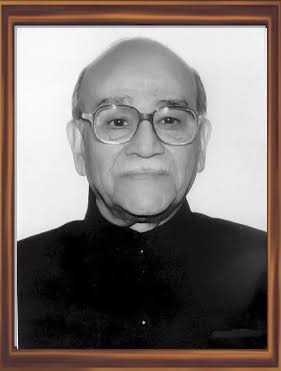
Air Marshal Minoo Merwan Engineer, PVSM, MVC, DFC (1 December 1921 – 31 December 1997) was a legendary air officer and one of the most heavily decorated commanders in the history of the Indian Air Force (IAF). Having served across four crucial decades—from World War II through the 1971 Indo-Pakistani War—he was a battle-hardened aviator who combined exceptional combat flying skills with premier strategic command. From leading daring air strikes in the jungles of Burma to spearheading critical operations during the Kashmir conflict and directing the Western Air Command, his career helped shape the modern tactical and structural framework of India’s military aviation.
2. Quick Facts
- Full Name: Minoo Merwan Engineer
- Native Name: ਮੀਨੂ ਮੇਰਵਾਨ ਇੰਜੀਨੀਅਰ / मीनू मेरवान इंजीनियर
- Date of Birth: December 1, 1921
- Place of Birth: Lahore (or Karachi/Punjab regions of undivided British India)
- Nationality: Indian
- Occupation/Profession: Military Officer (Indian Air Force) / Combat Aviator
- Field of Achievement: Military Aviation, Wartime Leadership, and Strategic Air Command
- Years Active: 1940 – 1973
3. Award Information
- Award Name: Padma Bhushan
- Award Category: Civilian Honor (Third Highest Civilian Award in India)
- Award Year: 1972
- Presented By: Government of India
- Date of Ceremony: 1972 (Republic Day honors list)
- Citation/Official Reason: Recognized for his exceptional leadership, distinguished service, and operational direction of the Western Air Command during the 1971 Indo-Pakistani War.
- Previous Recipients: Eminent leaders, scientists, artists, and public servants.
- Next Recipients: Subsequent annual batches of Padma Bhushan honorees.
4. Why They Received the Award
Air Marshal Minoo M. Engineer was awarded the Padma Bhushan for his supreme command and tactical brilliance as the Air Officer Commanding-in-Chief (AOC-in-C) of the Western Air Command during the 1971 war. Under his leadership, the Western sector executed intensive counter-air and strategic strike operations that crippled enemy infrastructure, maintained complete tactical readiness, and protected critical national airspace, laying the groundwork for a definitive Indian military victory.
5. Early Life
Born on December 1, 1921, into a progressive Zoroastrian family, Minoo was the sixth of eight siblings. His father, Meherwan Irani, worked as a Divisional Engineer for the North Western Railway. Because of his natural affinity for mechanics and tinkering with engines during his youth, his peers affectionately nicknamed him “Engineer,” a moniker that eventually stuck as his official surname. He grew up alongside brothers who shared an unprecedented passion for aviation, making the Engineer household one of the most unique warrior families in military history.
6. Education
Engineer completed his early schooling before attending Elphinstone College in Bombay, where he soaked in contemporary academic and social environments. Driven by the burgeoning aviation boom of the 1930s and inspired by his elder brothers, he chose a path in military aviation, undergoing rigorous flight instruction and joining the Royal Indian Air Force training pipeline.
7. Career Journey
- World War II & Early Service: Commissioned into the Royal Indian Air Force on August 1, 1940, he served with distinction as a fighter pilot flying Hurricanes and Spitfires during the Burma and Arakan campaigns, earning a Distinguished Flying Cross (DFC).
- Kashmir Operations (1947–1948): Took charge as the first Station Commander of Srinagar in March 1948, establishing a vital foothold and managing all air operations under hostile conditions during the First Indo-Pakistani War.
- Staff and Higher Command: Attended the RAF Staff College, Andover, in 1949. Over the next two decades, he held major appointments including Station Commander Lohegaon, Senior Air Staff Officer (SASO) of the Eastern Air Command, Air Officer Commanding No. 1 Operational Group during the 1962 war, and Deputy Chief of the Air Staff (DCAS).
- Top Leadership & Retirement: Promoted to Air Marshal, he served as AOC-in-C of the Eastern Air Command and later as AOC-in-C of the Western Air Command during the 1971 war, before retiring in 1973.
8. Major Achievements
- Holds the rare distinction of being the most decorated officer in the history of the Indian Air Force, having earned the Padma Bhushan, PVSM, MVC, and DFC.
- Played a monumental role in setting up the Srinagar airfield under fire in 1948, earning the Maha Vir Chakra.
- Successfully directed critical logistical and tactical air support in the Eastern sector during the 1962 Sino-Indian conflict, securing the Param Vishisht Seva Medal.
9. Contribution to the Nation
Engineer’s contributions span the foundational evolution of Indian military airpower. He transitioned seamlessly from a tactical squadron pilot dodging enemy fire in World War II to a master strategist who planned and executed multi-command air operations across three wars with Pakistan and the conflict with China. His institutional leadership ensured that the IAF grew into a self-reliant, technologically proficient, and tactically lethal deterrent force.
10. Other Awards and Honours
- Param Vishisht Seva Medal (PVSM): Awarded for distinguished service of the most exceptional order during the 1962 operations.
- Maha Vir Chakra (MVC): India’s second-highest wartime gallantry award, received for his conspicuous bravery and command in Jammu and Kashmir (1948).
- Distinguished Flying Cross (DFC): Awarded by the British during World War II for valorous leadership during operations in Burma.
- Maharashtra Gaurav Puraskar: Honored by the State Government of Maharashtra in 1990 for his lifetime of service.
11. Legacy and Influence
Air Marshal Minoo Engineer is immortalized as a titan of Indian military history. His career represents a rare convergence of frontline gallantry and macro-level strategic planning. Beyond his personal medals, his legacy is tied to the famous “Engineer brothers”—four siblings who all became IAF pilots, with multiple brothers receiving gallantry honors. He remains a legendary figure for generations of fighter pilots, embodying professional excellence, raw courage, and absolute dedication to the republic.
12. Interesting Facts
- The Extraordinary Engineer Brothers: Four real brothers from the family—Aspy, Jangoo, Minoo, and Ronnie—all joined the Indian Air Force as pilots, with Aspy eventually rising to become the Chief of Air Staff (CAS). Three of the brothers (Aspy, Minoo, and Ronnie) won the prestigious Distinguished Flying Cross—a virtually unmatched familial military feat.
- Flying Until the End: True to his identity as a pilot first, just a month before his retirement in 1973, he actively flew a MiG-21U in a Republic Day flypast.
- Battle-Tested Veteran: He is one of the rare commanders who actively flew combat missions in World War II and remained operationally vital through the 1947, 1962, 1965, and 1971 wars.
13. Quotes
“Leadership in the air isn’t about giving orders from a desk; it is about setting the standard in the cockpit, understanding the machine, and standing shoulder-to-shoulder with the men who fly into the storm.”
— Capturing his hands-on approach to command and aerial warfare.
14. Timeline
| Year | Event |
| 1921 | Born on December 1 in British India. |
| 1940 | Commissioned into the Royal Indian Air Force (RIAF). |
| 1943–1945 | Fleshed out active combat missions in Burma; subsequently awarded the Distinguished Flying Cross (DFC). |
| 1948 | Commanded Air Force Station Srinagar, steering vital air support through the Kashmir operations and earning the Maha Vir Chakra (MVC). |
| 1962 | Served as Air Officer Commanding No. 1 Operational Group during the Sino-Indian War, later receiving the Param Vishisht Seva Medal (PVSM). |
| 1964–1969 | Appointed Deputy Chief of the Air Staff (DCAS), playing a key role during the 1965 war. |
| 1971 | Commanded the Western Air Command as AOC-in-C during the Indo-Pakistani War. |
| 1972 | Conferred with the Padma Bhushan by the Government of India. |
| 1973 | Retired from active service as an Air Marshal after 33 years of landmark contribution. |
| 1997 | Passed away on December 31 at the age of 76. |
15. References
- Wikipedia contributors. “Minoo Merwan Engineer.” Wikipedia, The Free Encyclopedia.
- IAF History Archives. “The Storied Journey of Air Mshl Minoo Engineer.”
- Dispatch Rider Historical Profiles. “Unique Warrior Families: The Engineer Brothers.”
- Ministry of Home Affairs, Government of India. Padma Awards Directory.
16. Related Personalities
- Air Marshal Aspy Engineer: Eldest brother, legendary fighter pilot, and former Chief of Air Staff of the IAF.
- Air Marshal Om Prakash Mehra: Contemporary senior IAF commander and future Chief of Air Staff.
- Air Vice Marshal Harish Chandra Dewan: Peer and fellow top-tier operational commander of the 1971 war era.
17. Frequently Asked Questions (FAQ)
Q1: Who was Air Marshal Minoo Merwan Engineer?
A: He was an iconic Indian Air Force commander, fighter pilot, and strategist celebrated as the most decorated officer in IAF history, holding the Padma Bhushan, PVSM, MVC, and DFC.
Q2: What makes his family background unique in military history?
A: He belonged to the famous “Engineer family,” where four real brothers all became IAF pilots, with three of them receiving the Distinguished Flying Cross for gallantry.
Q3: Which major wars did he participate in?
A: He saw active combat and command service spanning World War II (Burma campaign), the First Kashmir War (1947–48), the Sino-Indian War (1962), the 1965 war, and the 1971 Indo-Pakistani War.
Q4: When did he receive the Padma Bhushan?
A: He was awarded the Padma Bhushan in 1972 in recognition of his brilliant leadership of the Western Air Command during the 1971 war
About the Author