1. Introduction
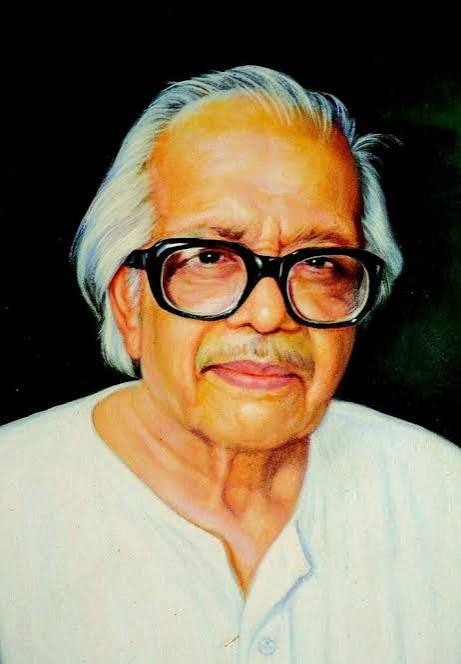
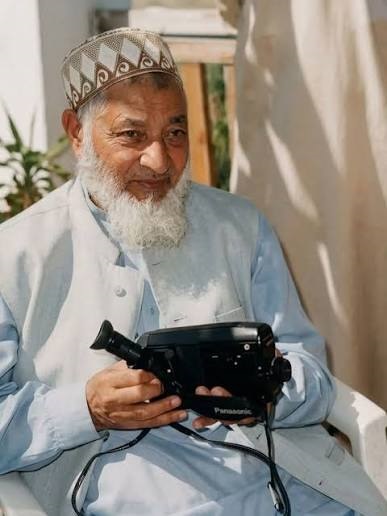
Mian Bashir Ahmed (popularly known as Mian Bashir Larvi) was a towering spiritual leader, eminent Sufi saint of the Naqshbandi order, veteran tribal leader, and former Jammu and Kashmir cabinet minister. Revered as a saintly figure and a champion for the marginalized, he dedicated his entire life to uplifting the Gujjar and Bakarwal communities, fostering communal harmony during times of conflict, and enriching literature in Gojri, Urdu, and Punjabi languages.
2. Quick Facts
- Full Name: Mian Bashir Ahmed Larvi
- Native Name: میاں بشیر احمد لاروی (Urdu) / “Baba Ji” (Affectionate title)
- Date of Birth: October / November 1923
- Place of Birth: Pehalnar Wangat, Kangan, Ganderbal District, Jammu and Kashmir, British India
- Nationality: Indian
- Occupation/Profession: Sufi Saint, Spiritual Preacher, Politician, Author, and Tribal Rights Leader
- Field of Achievement: Spirituality, Social Reform, Public Service, and Literature
- Years Active: Mid-20th century to 2021 (Spanning active political and lifetime spiritual service)
3. Award Information (Padma Bhushan)
- Award Name: Padma Bhushan
- Award Category: Social Work / Public Affairs
- Award Year: 2008 (Conferred on January 26, 2008)
- Presented By: The President of India (at Rashtrapati Bhavan)
- Date of Ceremony: Republic Day, January 26, 2008
- Citation/Official Reason: For outstanding contributions and distinguished service towards the welfare of tribal Gujjars, Bakarwals, and other downtrodden groups of society.
4. Why He Received the Award
Mian Bashir Ahmed was honored with the Padma Bhushan—India’s third-highest civilian award—in recognition of his monumental lifetime dedication to social justice, tribal empowerment, and national integration. For decades, he worked tirelessly to bridge gaps between communities, promoted peace during intense regional conflicts, and uplifted the educational and socio-economic status of backward and nomadic communities in Jammu and Kashmir.
5. Early Life
Born into a prominent family of spiritual leaders at Babanagari Wangat in Ganderbal, Mian Bashir was the son of the revered saint Mian Nizam-ud-Din Larvi and grandson of Baba Ji Sahib Larvi. Growing up in an environment centered around religious devotion, compassion, and public service, he was deeply influenced by the teachings of the Naqshbandi Sufi order from a very young age.
6. Education
- Early Education: Received foundational training locally, studying Urdu, Arabic, Persian, and Islamic sciences under scholars like Molvi Abdullah Sahib and Molvi Ibrahim Chatergulli.
- Spiritual Training: Formally initiated into the Naqshbandi Sufi order, receiving deep metaphysical and theological grounding from his family elders and spiritual mentors.
7. Career Journey
- Political Entry & Legislative Service: Emerged as a trusted mass leader, getting elected multiple times to the Jammu and Kashmir Legislative Assembly (representing constituencies like Kangan and Darhal) starting in 1967, 1972, 1977, and 1983.
- Ministerial Roles: Served as a Deputy Minister, Minister of State, and Cabinet Minister holding key portfolios in successive governments under prominent leaders like Sheikh Mohammad Abdullah.
- Transition to Full-Time Spiritual and Social Work (1980): Resigned from active party politics to focus entirely on his spiritual duties, community arbitration, and propagating religious and moral education.
- Spiritual Head: Served for nearly half a century as the Gaddi Nasheen (custodian/head) of the revered shrine of Baba Abaid Ullah Larvi at Babanagari Wanghat.
8. Major Achievements
- Peacekeeping During Wars: Proactively worked for peace and helped rehabilitate thousands of displaced citizens in the border and tribal belts during the 1947, 1965, and 1971 Indo-Pak wars.
- International Representation: Had the honor of representing India at the United Nations, speaking passionately on global peace, harmony, and the national stance on Kashmir.
- Institutionalizing Gojri Language: Played a foundational role in bringing the Gojri language to mainstream platforms, pushing for its broadcast on Radio Kashmir (1969) and recognition within the J&K Academy of Art, Culture and Languages (1978).
- Prolific Authorship: Authored several valued texts in Gojri, Urdu, and Punjabi, including Israr-e-Kabeeri, Ashar-e-Nizami, and the multi-volume Neer Sumandar.
9. Contribution to the Nation
Mian Bashir Ahmed acted as an anchor of secularism, peace, and national integration in a sensitive border state. During the peak of the insurgency in Kashmir from 1989 onward, he consistently traveled across regions to counter extremism, clear communal misunderstandings, and preach peace. Furthermore, his leadership of the traditional Gujjar Jirga helped peacefully resolve thousands of tribal disputes without relying heavily on formal state litigation.
10. Other Awards and Honours
- Padma Bhushan (2008): Conferred by the Government of India for social and tribal welfare.
- Widely felicitated by various academic, cultural, and spiritual institutions throughout India for promoting multi-faith harmony and literature.
11. Legacy and Influence
Mian Bashir Ahmed’s legacy is defined by a rare blend of spiritual grace and grassroots political activism. He gave the nomadic Gujjar and Bakarwal communities a distinct political voice, cultural dignity, and a roadmap toward educational progress. His mantle is carried forward by his family, including his son, Mian Altaf Ahmed Larvi, a prominent political and public leader in Jammu and Kashmir.
12. Interesting Facts
- Unblemished Electoral Track Record: Members of his immediate family line (including his father, himself, and his son) historically maintained an unmatched connection with the public, commanding immense trust across constituencies.
- Literary Footprint: His multi-volume poetic compilation Neer Sumandar remains a monumental contribution to Gojri literature.
- Spiritual Lineage: He served as the custodian of Babanagari—a spiritual hub visited by thousands of seekers annually.
13. Quotes
“True service to humanity lies in bridging hearts, erasing hatred, and uplifting those who have been left behind by society.” — Mian Bashir Ahmed Larvi
14. Timeline
- 1923: Born in Pehalnar Wangat, Ganderbal, J&K
- 1967: Elected as a Member of the Legislative Assembly (MLA)
- 1972–1977: Served in ministerial cabinets under Sheikh Mohammad Abdullah
- 1980: Stepped away from formal party politics to commit fully to spiritual teaching and tribal welfare
- 2008: Conferred with the prestigious Padma Bhushan by the President of India
- 2021: Passed away on August 14 at the age of 97/98, leaving behind a massive legacy of peace and public service
15. References
- Wikipedia – Mian Bashir Ahmed Profile.
- Archives of Jammu and Kashmir Academy of Art, Culture and Languages.
- Legacy of Mian Bashir Ahmed Larvi: Saint and Gujjar Icon (Historical Documentation & Research Monographs).
16. Related Personalities
- Mian Nizam-ud-Din Larvi (Father and revered spiritual predecessor)
- Mian Altaf Ahmed Larvi (Son and prominent political leader/former minister)
- Sheikh Mohammad Abdullah (Former Chief Minister of Jammu and Kashmir and close political associate)
17. Frequently Asked Questions (FAQ)
Q1: Who was Mian Bashir Ahmed?A: Mian Bashir Ahmed (Larvi) was a renowned Kashmiri Sufi saint, author, and veteran tribal leader who fought for the social upliftment and rights of the Gujjar and Bakarwal communities.
Q2: What are his major contributions? A: He played a pivotal role in maintaining peace during the Indo-Pak wars and the regional insurgency, institutionalized the Gojri language, authored major literary works, and represented India at the United Nations.
Q3: When was he awarded the Padma Bhushan?A: He was awarded the Padma Bhushan by the Government of India on January 26, 2008.
Q4: When did he pass away?A: He passed away on August 14, 2021, at his native village of Babanagari Wangat in Ganderbal, J&K, at the age of 98.
About the Author