

1. Introduction
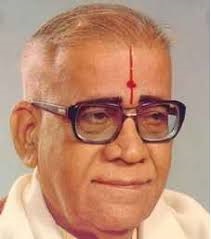
Madurai Narayanan Krishnan was an extraordinary luminary in South Indian Carnatic music. Uniquely gifted as a vocalist, lyricist, and composer—a rare trinity known as a Vaggeyakara—he was one of the most loyal and accomplished torchbearers of the prestigious Ariyakudi music tradition. His life was defined by absolute dedication to classical purity, a profound mastery over rhythm (laya), and immense contributions to both Carnatic vocal art and classical dance compositions.
2. Quick facts
- Full Name: Madurai Narayanan Krishnan Iyengar
- Native Name: மதுரை என். கிருஷ்ணன் (Tamil)
- Date of birth: October 31, 1928
- Place Of birth: Madurai, Tamil Nadu, India
- Nationality: Indian
- Occupation/ Profession: Carnatic Vocalist, Composer, Lyricist, and Teacher
- Field of Achievement: Carnatic Classical Music and Bharatanatyam Dance Compositions
- Years Active: 1940s – 2005
3. Award Information (Focusing on his Highest Honor: Padma Bhushan)
- Award Name: Padma Bhushan
- Award Category: India’s Third-Highest Civilian Award
- Award Year: 2003
- Presented By: Government of India (Conferred by President Dr. A.P.J. Abdul Kalam)
- Date of Ceremony: Republic Day honors cycle, 2003
- Citation/Official Reason: For exceptional and distinguished service to the arts, specifically for enriching Carnatic vocal music and classical dance choreography.
- Previous Recipients (Examples): Eminent artists, classical musicians, and public figures.
- Next Recipients: Conferred annually as part of national civilian honors.
4. Why they Receive the award?
Madurai N. Krishnan was conferred the Padma Bhushan—following his earlier Padma Shri in 1992—in recognition of his monumental lifetime contributions to the arts. He was celebrated not just as a premier concert vocalist, but as a rare Vaggeyakara who authored brilliant dance varnams, thillanas, and devotional musical settings for timeless Tamil literary canons like the Thiruppavai and Thiruvasagam.
5. Early Life
Born on October 31, 1928, in Madurai, Krishnan came from a deeply traditional family steeped in art. His father, M. Narayana Iyengar, was a celebrated Harikatha exponent, Sanskrit-Tamil scholar, and violinist. Growing up surrounded by classical discourses, devotional singing, and music recitals, Krishnan naturally absorbed the nuances of rhythm and melody from early childhood, frequently singing alongside his father on stage.
6. Education
- Foundational Roots: Received initial musical grooming and exposure through his father’s Harikatha performances.
- The Gurukulavasam: Underwent an intensive, rigorous 18-year gurukulavasam (living and studying at the master’s home) under the legendary Ariyakudi Ramanuja Iyengar.
- Central College of Music: Studied briefly at the Central College of Music in Madras, where he also formally mastered the mridangam, sharpening his command over complex laya structures.
7. Carrier Journey
- Concert Debut: Stepped into the professional concert circuit under the direct wing of his guru Ariyakudi, rapidly earning a reputation as a front-line classical vocalist.
- AIR Top Grade Artiste: Ranked as an “A-Top” grade artist of All India Radio (AIR), performing extensively across national venues.
- Entering the Realm of Dance: Collaborated with legendary Bharatanatyam exponents (such as Vyjayanthimala Bali) to compose musical structures (mettu) and jatis for major dance productions like Sanga Tamizh Malai, Azagar Kuravanji, and Ramanatakam.
- Institutional Founder: Co-founded Bharatalaya, a premier fine arts institution in Chennai dedicated to training students in music and dance.
8. Major Achievements
- Rare Vaggeyakara Status: Excelled simultaneously in the three core creative pillars of music: vocals, lyrics, and composition.
- Prolific Composer: Authored nearly 15 complex varnams, 25 thillanas, and numerous devotional compositions.
- Prestigious Titles: Conferred with the Sangeet Natak Akademi Award (1987), the Tamil Nadu state’s Kalaimamani Award (1981), and the title Sangeetha Kala Sikhamani (1999) by the Indian Fine Arts Society.
- International Recognition: Honored with a UNESCO Award as early as 1970 for his contributions to traditional performance arts.
9. Contribution to the nation
Madurai N. Krishnan bridged the gap between pure Carnatic classical music and classical dance choreography. His compositions breathed fresh life into ancient Tamil texts, making classical poetry accessible to contemporary concert and dance stages. Through Bharatalaya and decades of quiet teaching, he nurtured generations of musicians and dancers, safeguarding the technical grammar and spiritual core of South Indian arts.
10. Other Awards and Honours
- UNESCO Award (1970)
- Kalaimamani Award (1981) – Government of Tamil Nadu
- Sangeet Natak Akademi Award (1987) – Government of India
- Padma Shri (1992) – Government of India
- Sangeetha Kala Sikhamani (1999) – Indian Fine Arts Society, Chennai
- Padma Bhushan (2003) – Government of India
- Gaana Padmam – Brahma Gana Sabha
11. Legacy and influence
Krishnan is remembered as a true purist of the Ariyakudi bani, blending vocal majesty with intellectual command over rhythm and lyricism. His dance compositions—particularly his intricately structured varnams where he composed both the music and the jatis himself—remain staples in the repertoires of leading Bharatanatyam dancers globally. His legacy is actively carried forward by his disciples and family trusts.
12. Interesting Facts
- The Guru’s Stand-In: During a high-profile concert in Karnataka, when his guru Ariyakudi suddenly fell ill with a fever, Ariyakudi famously turned to the audience and his accompanists (including Palghat Mani Iyer) and said, “My student will sing. You must play for him and bless him,” launching Krishnan into independent frontline stardom.
- Master of Jatis: Unlike most classical musicians who relied on separate nattuvanars to set dance syllables, Krishnan’s deep training in playing the mridangam allowed him to write his own complex dance jatis.
- Spiritual Practitioner: Outside his heavy musical schedule, he maintained a lifelong discipline as a spiritual seeker and practitioner (mantrik), spending hours in daily prayer and guiding disciples in life.
13. Quotes
“True music is not merely an exhibition of vocal gymnastics; it is a spiritual offering where swara and bhava merge into absolute devotion.”
(Reflecting on his guru Ariyakudi): “Gurukulavasam meant not only learning music, but absorbing the deep discipline, code of behavior, and humility required to carry the art forward.”
14. Timeline
- 1928: Born on October 31 in Madurai, Tamil Nadu.
- 1940s: Enters an 18-year gurukulavasam under Ariyakudi Ramanuja Iyengar.
- 1970: Receives international recognition with the UNESCO Award.
- 1981: Conferred the Kalaimamani title by the Government of Tamil Nadu.
- 1987: Awarded the central Sangeet Natak Akademi Award.
- 1992: Conferred the Padma Shri by the Government of India.
- 1999: Receives the Sangeetha Kala Sikhamani from the Indian Fine Arts Society.
- 2003: Conferred India’s third-highest civilian honor, the Padma Bhushan.
- 2005: Passes away on October 9 in Chennai at the age of 76.
15. References
- Wikipedia & Archival Profiles on Madurai N. Krishnan.
- Carnatica.net – Special interviews and memoirs on Madurai N. Krishnan.
- Kutcheribuzz & The Hindu – Obituaries and tributes to Vidwan Madurai N. Krishnan.
- Sangeet Natak Akademi – Official awardee records.
16. Related Personalities
- Ariyakudi Ramanuja Iyengar (Legendary Carnatic titan and primary guru of Madurai N. Krishnan)
- Vyjayanthimala Bali (Iconic Bharatanatyam dancer who collaborated closely with Krishnan on dance compositions)
- Palghat Mani Iyer (Legendary mridangam maestro who frequently accompanied the Ariyakudi school)
- B. Rajam Iyer (Contemporary senior disciple under Ariyakudi)
17. Frequently Asked Questions (FAQ)
Q1: What is Madurai N. Krishnan most famous for?
A: Madurai N. Krishnan is celebrated as a premier Carnatic vocalist and a rare Vaggeyakara (composer-lyricist-vocalist) who made landmark contributions to both classical Carnatic concerts and Bharatanatyam dance choreography.
Q2: Who was his primary guru?
A: He trained for 18 years under the legendary Carnatic pioneer Ariyakudi Ramanuja Iyengar through strict traditional gurukulavasam.
Q3: What are the highest civilian honors he received?
A: He received two major civilian awards from the Government of India: the Padma Shri in 1992 and the Padma Bhushan in 2003.
About the Author




