1. Introduction
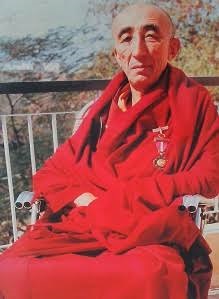
The 19th Kushok Bakula Rinpoche (19 May 1918 – 4 November 2003) was a pre-eminent spiritual master, freedom fighter, parliamentarian, and international diplomat. Revered as the reincarnation of Bakula Arhat—one of the sixteen direct disciples of Gautama Buddha—he transcended the traditional boundaries of monastic life to steer Ladakh through critical geopolitical and social transitions. Widely hailed as the “Architect of Modern Ladakh,” his life stands as a rare bridge between deep spiritual wisdom and dynamic public statecraft.
2. Quick Facts
- Full Name: Ngawang Lobzang Thupstan Chognor (19th Kushok Bakula Rinpoche)
- Native Name: ངག་དབང་བློ་བཟང་ཐུབ་བསྟན་མཆོག་ནོར (Tibetan)
- Date of Birth: May 19, 1918
- Place of Birth: Matho Royal Palace, Ladakh, British India
- Nationality: Indian
- Occupation/Profession: Buddhist Lama, Statesman, Diplomat, and Social Reformer
- Field of Achievement: Spiritual Leadership, International Diplomacy, Political Administration, and Educational Reform
- Years Active: 1940s – 2003
3. Award Information (Focus: Padma Bhushan)
- Award Name: Padma Bhushan
- Award Category: India’s Third-Highest Civilian Award
- Award Year: 1988
- Presented By: The President of India (R. Venkataraman)
- Date of Ceremony: Republic Day Investiture, Rashtrapati Bhavan, New Delhi
- Citation/Official Reason: For exceptional and distinguished service to the nation in public affairs, social welfare, and national integration.
- Previous/Next Recipients: Conferred alongside other leading national intellectuals, artists, and public servants.
4. Why Did He Receive the Award?
Rinpoche received the Padma Bhushan in recognition of his lifetime dedication to safeguarding India’s northern borders, championing secularism, and uplifting marginalized communities. His courage during the 1947–48 tribal incursions, his tireless fight for the democratic and educational rights of Ladakhis, and his exceptional diplomatic outreach in Central Asia cemented his stature as a monumental national figure.
5. Early Life
Born into the royal family of Matho (descendants of the royal house of Ladakh), he was recognized at the age of five by the 13th Dalai Lama as the 19th reincarnation of Bakula Arhat. Brought to the Spituk Monastery for his early upbringing, he grew up deeply attuned to both royal heritage and monastic discipline, preparing him early for a life of profound responsibility toward his people.
6. Education
- Monastic Studies: Sent to Tibet at the age of 12 for rigorous advanced training.
- Highest Degree: Studied at the prestigious Drepung Monastery in Lhasa, earning the highest Geshe Lharampa degree (equivalent to a modern Ph.D. in Buddhist metaphysics) with top honors in 1940 before returning to Ladakh.
7. Career Journey
- Stepping into Public Life (1940s): Returned to a feudal Ladakh struggling under oppressive local governance, prompting him to pivot from isolationist monasticism into active social reform.
- State Politics & Ministerial Roles: Entered Jammu and Kashmir politics, serving as a legislator, member of the Constituent Assembly, and later as a State Minister holding portfolios like Ladakh Affairs.
- Parliamentarian: Elected for multiple terms to the Lok Sabha (Lower House of the Indian Parliament), fiercely advocating for regional development.
- Ambassador to Mongolia (1990–2000): Appointed by the Government of India as Ambassador to Mongolia, where he spearheaded a massive cultural and spiritual revival.
8. Major Achievements
- Defending Ladakh’s Sovereignty: During the turbulent 1947–48 Pakistani tribal raids, Rinpoche actively coordinated with New Delhi to secure Ladakh’s accession and defense, famously declaring that Ladakh would firmly remain part of secular India.
- Reviving Buddhism in Mongolia: Serving in Ulaanbaatar right after the fall of communism, he rebuilt monasteries, ordained the first generation of modern female monastics, and earned the affectionate title “Elchiin Bagsh” (Ambassador-Teacher).
- Educational Pioneer: Founded modern schools and institutions (such as the Ladakh School of Buddhist Philosophy, which grew into the Central Institute of Buddhist Studies) to rescue Ladakhis from isolation.
9. Contribution to the Nation
Rinpoche served as an unshakeable anchor for India’s northern frontier. He successfully lobbied for Scheduled Tribe (ST) status for Ladakh, opened up educational pipelines for underprivileged youth, and integrated marginalized Himalayan communities into the mainstream democratic framework without letting them lose their unique cultural identity.
10. Other Awards and Honours
- Padma Bhushan (1988)
- Polar Star Award (Mongolia’s highest state civilian honor, conferred for his role in national revival)
- Member, National Commission on Minorities (1978)
11. Legacy and Influence
Kushok Bakula Rinpoche remains a legendary icon of selfless service, religious harmony, and resolute patriotism. The airport at Leh—Kushok Bakula Rinpoche Airport—is named in his honor. His legacy thrives across the Himalayas and Central Asia as a model of how spiritual authority can be deployed cleanly and effectively for public welfare and nation-building.
12. Interesting Facts
- Monastery Turned Hospital: During the height of border conflicts, he permitted parts of his Spituk Monastery to be utilized as a makeshift military hospital for Indian armed forces.
- The Accidental Diplomat: When first asked by Prime Minister Rajiv Gandhi to serve as Ambassador to Mongolia, Rinpoche hesitated because he had no formal diplomatic training and spoke limited English; yet, he went on to become one of India’s most effective and beloved envoys.
- Living Link to Royalty: He was the great-great-great-grandson of Tsepel Tondup Namgyal, the last independent King of Ladakh.
13. Quotes
“True religious practice is not isolated in meditation halls; it manifests wherever there is human suffering that needs relief, ignorance that needs education, and peace that needs defense.”
14. Timeline
- 1918: Born on May 19 in the Matho Royal Palace, Ladakh.
- 1940: Completes his rigorous Geshe Lharampa degree in Lhasa, Tibet.
- 1947–1948: Mobilizes local resistance and coordinates with New Delhi to protect Ladakh during the tribal incursions.
- 1967: Serves actively in mainstream electoral politics and parliamentary sessions.
- 1988: Conferred the Padma Bhushan by the President of India.
- 1990: Assumes office as India’s Ambassador to Mongolia, reviving Buddhism in Central Asia.
- 2003: Passes away on November 4 in New Delhi at the age of 85.
15. References
- Wikipedia contributors. 19th Kushok Bakula Rinpoche. Wikipedia, The Free Encyclopedia.
- Shakspo, Nawang Tsering, and Henry M. Vyner. Kushok Bakula Rinpoche — Saint and Statesman. World Buddhist Culture Trust.
- Archives of the Embassy of India, Ulaanbaatar, Mongolia.
16. Related Personalities
- Jawaharlal Nehru: India’s first Prime Minister who encouraged Rinpoche to step out of the monastery and take up public service.
- 13th Dalai Lama: Recognized Rinpoche’s reincarnation in his early childhood.
- Rajiv Gandhi: Prime Minister who appointed Rinpoche as India’s diplomatic envoy to Mongolia.
17. Frequently Asked Questions (FAQ)
Q: Who was the 19th Kushok Bakula Rinpoche?
A: He was a revered Tibetan Buddhist lama from Ladakh who served as a freedom fighter, state minister, member of parliament, and India’s ambassador to Mongolia.
Q: Why is he called the “Architect of Modern Ladakh”?
A: Because he single-handedly revolutionized Ladakh’s educational framework, fought for democratic and tribal rights, built infrastructure, and guided the region safely through critical post-independence security crises.
Q: What was his connection to Mongolia?
A: He served as India’s Ambassador to Mongolia from 1990 to 2000, where he played a historic role in the post-communist revival of Buddhism, establishing monasteries and earning deep reverence as “Elchiin Bagsh”.
About the Author