1. Introduction
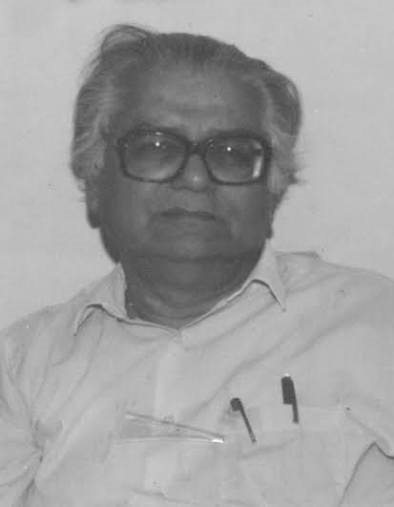
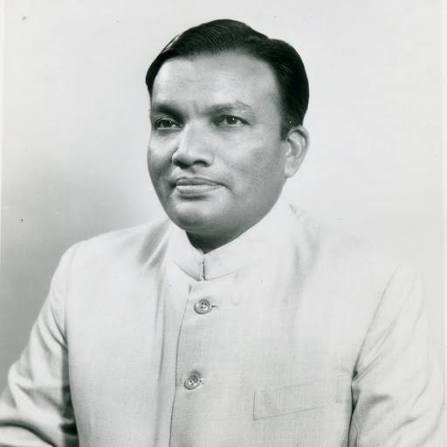
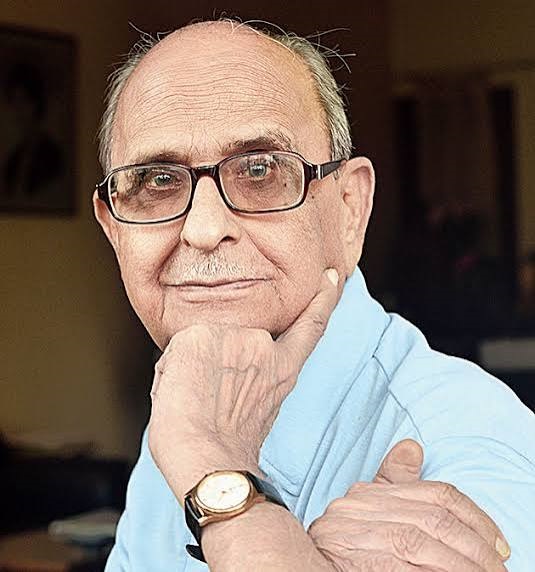
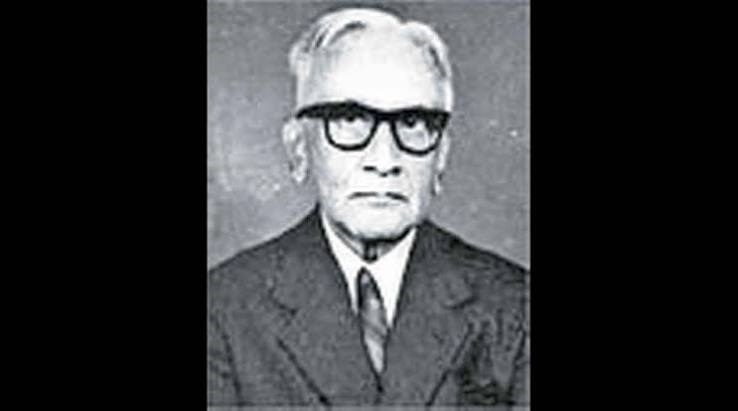
Krishnasami Venkataraman (also spelled Krishnaswami Venkataraman) was a renowned Indian organic chemist and a pioneer of chemical research in India. He made significant contributions to the development of organic chemistry and played a crucial role in establishing the National Chemical Laboratory (NCL), Pune as a leading research institution. He was the first Indian Director of NCL and also served as the Director of the University Department of Chemical Technology (UDCT), Bombay (now ICT Mumbai).
For his outstanding contributions to chemical science and industrial research, the Government of India awarded him the Padma Bhushan in 1961.
2. Quick Facts
| Detail | Information |
|---|---|
| Full Name | Krishnasami Venkataraman |
| Native Name | கிருஷ்ணசாமி வெங்கடராமன் |
| Date of Birth | 7 June 1901 |
| Place of Birth | Chennai (Madras), British India |
| Date of Death | 12 May 1981 |
| Place of Death | India |
| Nationality | Indian |
| Occupation / Profession | Chemist, Research Scientist, Academic |
| Field of Achievement | Organic Chemistry, Chemical Research, Industrial Chemistry |
| Years Active | 1920s–1970s |
| Known For | Baker–Venkataraman rearrangement, National Chemical Laboratory development |
3. Award Information
| Detail | Information |
|---|---|
| Award Name | Padma Bhushan |
| Award Category | Trade and Industry |
| Award Year | 1961 |
| Presented By | President of India |
| Date of Ceremony | Announced on 26 January 1961; presented later in 1961 |
| Citation / Official Reason | Recognition for outstanding contributions to chemical science and industrial research |
| Previous Recipients (Optional) | Padma Bhushan is an annual civilian award; no direct predecessor |
| Next Recipients | Annual civilian award; no direct successor |
The official 1961 Padma Bhushan list included Dr. Krishnaswamy Venkataraman, Director, National Laboratory, Poona, under the category of Trade and Industry.
4. Why Did He Receive the Award?
Krishnasami Venkataraman received the Padma Bhushan in 1961 for:
- Major contributions to organic chemistry.
- Advancement of chemical research in India.
- Development of the National Chemical Laboratory as a premier scientific institution.
- Contributions to industrial chemistry and chemical technology.
- Training and inspiring generations of Indian scientists.
5. Early Life
Krishnasami Venkataraman was born on 7 June 1901 in Chennai, Tamil Nadu (then Madras Presidency). He developed an early interest in science and pursued chemistry at a time when scientific research opportunities in India were still developing.
His dedication to research helped him become one of India’s leading chemists of the twentieth century.
6. Education
Krishnasami Venkataraman studied chemistry at:
- University of Madras
- University of Manchester, United Kingdom
- Mendeleev Institute of Chemical Technology
He completed advanced research under the guidance of famous British chemist Sir Robert Robinson, a Nobel Prize-winning organic chemist.
7. Career Journey
Early Academic Career
- Began his career as a chemistry researcher and teacher.
- Worked in Indian academic institutions.
- Developed expertise in organic chemistry.
University Department of Chemical Technology (UDCT)
- Served as Director of the University Department of Chemical Technology, Bombay.
- Helped strengthen chemical education and industrial research.
National Chemical Laboratory (NCL)
- Became the first Indian Director of the National Chemical Laboratory, Pune.
- Played a major role in developing NCL into one of India’s leading chemical research centres.
Scientific Research
His research focused mainly on:
- Organic synthesis
- Natural products chemistry
- Dye chemistry
- Chemical transformations
8. Major Achievements
- Discovered and developed the Baker–Venkataraman rearrangement, an important reaction in organic chemistry.
- Became the first Indian Director of NCL.
- Strengthened chemical research infrastructure in India.
- Trained several scientists who later contributed to Indian science.
- Received the Padma Bhushan in 1961.
9. Contribution to the Nation
Krishnasami Venkataraman contributed to India’s scientific development by:
- Building strong foundations for chemical research.
- Linking scientific research with industrial needs.
- Encouraging scientific education.
- Developing institutions for advanced chemical studies.
- Helping India become self-reliant in scientific research.
His work supported India’s growth in science and technology after independence.
10. Other Awards and Honours
- Padma Bhushan (1961) – Government of India.
- Fellow of the Indian Academy of Sciences.
- Fellow of the Indian National Science Academy.
- Fellow of international scientific organizations.
- Received scientific medals including the Acharya P. C. Ray Medal and Professor T. R. Seshadri Medal.
11. Legacy and Influence
Krishnasami Venkataraman is remembered as one of the founders of modern chemical research in India.
His legacy includes:
- Advancement of organic chemistry.
- Development of national research institutions.
- Promotion of scientific education.
- Contribution to India’s chemical industry.
The Baker–Venkataraman rearrangement remains an important reaction studied in organic chemistry worldwide.
12. Interesting Facts
- He was popularly known as K. V. among scientists.
- He was the first Indian Director of the National Chemical Laboratory.
- His research led to the naming of the Baker–Venkataraman transformation.
- He studied under Nobel laureate Sir Robert Robinson.
- He was elected as a fellow of several national and international science academies.
13. Quotes
No widely verified personal quotations by Krishnasami Venkataraman are available in authoritative sources.
14. Timeline
| Year | Event |
|---|---|
| 1901 | Born in Chennai, India. |
| 1920s | Began advanced studies and research in chemistry. |
| 1930s | Became associated with major scientific institutions. |
| 1950s | Served as Director of National Chemical Laboratory. |
| 1961 | Awarded the Padma Bhushan. |
| 1970s | Continued scientific contributions and recognition. |
| 1981 | Passed away. |
15. References
- Government of India – Padma Awards Database
- Gazette of India – Padma Awards 1961
- Biography of Krishnaswami Venkataraman – scientific records
16. Related Personalities
- Robert Robinson – His doctoral mentor.
- Prafulla Chandra Ray – Pioneer of Indian chemistry.
- K. S. Krishnan – Contemporary Indian scientist.
- C. N. R. Rao – Later influential figure in Indian chemistry.
17. Frequently Asked Questions (FAQ)
Who was Krishnasami Venkataraman?
Krishnasami Venkataraman was an Indian organic chemist known for his research contributions and leadership in chemical institutions.
Which award did Krishnasami Venkataraman receive?
He received the Padma Bhushan in 1961 in the field of Trade and Industry.
What is the Baker–Venkataraman rearrangement?
It is an important organic chemical reaction developed through the work of Krishnasami Venkataraman and chemist William Baker.
Which institution did he lead?
He served as the first Indian Director of the National Chemical Laboratory, Pune.
What was his field of research?
His main field was organic chemistry, especially chemical synthesis and natural product chemistry.
When was he awarded the Padma Bhushan?
He received the award in 1961.
About the Author