

1. Introduction
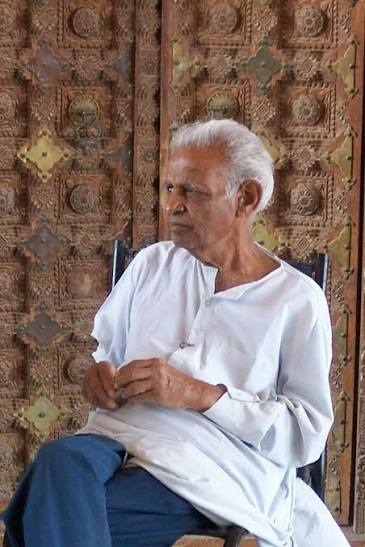
Komal Kothari (widely known as Komalda) was a legendary Indian folklorist, ethnomusicologist, and cultural historian. Universally revered as a titan of intangible cultural heritage, he dedicated his life to discovering, documenting, and preserving the vanishing folk music, oral traditions, puppet arts, and indigenous knowledge systems of Rajasthan and western India. As the founder of the Rupayan Sansthan, he single-handedly rescued countless rural art forms from obscurity and brought them to national and international prominence.
2. Quick facts
- Full Name: Komal Kothari
- Native Name: कोमल कोठारी (Hindi) / కొమల్ కొఠారి (Rajasthani/Marwari)
- Date of birth: March 4, 1929
- Place Of birth: Jodhpur, Rajputana, British India (present-day Rajasthan, India)
- Nationality: Indian
- Occupation/ Profession: Folklorist, Ethnomusicologist, Cultural Archivist, Researcher
- Field of Achievement: Folk Art Preservation, Oral History, and Ethnomusicology
- Years Active: 1950s–2004
3. Award Information
- Award Name: Padma Shri / Padma Bhushan / Sangeet Natak Akademi Award
- Award Category: National Civilian Honours and Supreme Performing Arts Recognitions
- Award Year: Padma Shri (1983), Sangeet Natak Akademi Award (1986), Padma Bhushan (2004)
- Presented By: Government of India (Conferred by the President of India)
- Date of Ceremony: Conferred during successive national Republic Day investiture ceremonies.
- Citation/Official Reason: Recognized for his pioneering research into Rajasthani folklore, his exceptional contribution to the preservation of indigenous folk music and instruments, and his lifelong dedication to cultural archiving.
- Previous Recipients (optional): Eminent folklorists, anthropologists, and cultural historians.
- Next Recipients: Conferred among notable national civic and cultural awardees.
4. Why they Receive the award?
Komal Kothari received India’s highest civilian decorations because he undertook an unprecedented lifetime mission to record the soul of rural India. Armed with tape recorders and cameras, he traveled across the harsh terrain of the Thar Desert, unearthing rare musical instruments, forgotten ballads, and ancient performance traditions, thereby anchoring regional oral history into India’s national consciousness.
5. Early Life
Born in Jodhpur, Rajasthan, Kothari grew up amidst the rich socio-cultural tapestry of Marwar. Losing his father early in life, he was raised under the protective care of his maternal grandfather in Jodhpur. Growing up, he developed a deep intellectual curiosity about ordinary people, rural livelihoods, and the unwritten histories of pastoral and tribal communities, which shaped his lifelong egalitarian worldview.
6. Education
- Schooling & Academic Background: Completed his primary and secondary education in Jodhpur.
- Higher Education: Earned his Master’s degree in Sociology and Hindi Literature from Jaswant College, Jodhpur. His academic training in sociology provided him with the methodological tools to study folklore not merely as entertainment, but as a complex mirror of social structure and human survival.
7. Carrier Journey
- Early Research Partnership: In 1960, along with the renowned musicologist Vijaydan Detha, he co-founded Rupayan Sansthan (The Rajasthan Institute of Folklore) in the village of Borunda, marking the beginning of systematic field research in rural Rajasthan.
- Fieldwork Pioneer: Spent decades recording thousands of hours of rare folk songs, epics, and oral narratives directly from traditional bards, snake charmers, Manganiars, and Langas.
- Institutional Leadership: Collaborated closely with national and international cultural institutions, serving as a key advisor for the Festival of India abroad and helping establish the Jawahar Kala Kendra in Jaipur.
8. Major Achievements
- Co-founded Rupayan Sansthan, creating one of South Asia’s most valuable audio-visual archives of indigenous folklore and folk music.
- Conferred India’s prestigious Padma Bhushan in 2004 and Padma Shri in 1983 by the Government of India.
- Awarded the prestigious Sangeet Natak Akademi Award in 1986.
- Honored with the international Prince Claus Award from the Netherlands in 2000 for his outstanding contribution to culture and development.
9. Contribution to the nation
Komal Kothari transformed how India viewed its rural and tribal communities. By treating folk artists as authentic philosophers and creators rather than mere informants, he restored their dignity. His exhaustive recordings ensured that extinct or endangered musical instruments (such as the kamaicha and sindhi sarangi) and epic oral ballads survived into the modern digital age, enriching India’s cultural diversity.
10. Other Awards and Honours
- Padma Bhushan (2004) – Government of India
- Padma Shri (1983) – Government of India
- Sangeet Natak Akademi Award (1986)
- Prince Claus Award (2000) – Netherlands
- Lifetime Achievement recognitions from various folk art foundations and state cultural bodies.
11. Legacy and influence
Komal Kothari is remembered as the ultimate custodian of the desert’s voice. His archival collections at Rupayan Sansthan and the American Institute of Indian Studies (AIIS) remain primary pilgrimage sites for ethnomusicologists, world-music artists (including collaborations with international musicians), and historians. He passed away on June 29, 2004, leaving behind a legacy that continues to resonate across global world-music stages.
12. Interesting Facts
- The Desert Nomad for Science: For decades, he chose to live and work in the remote rural village of Borunda rather than urban centers, believing that true cultural research must happen where the people live.
- Discoverer of Global Talents: He was instrumental in discovering and championing traditional desert folk musicians, helping introduce Rajasthani folk music to international auditoriums across Europe and America.
- A Walking Library: He possessed an encyclopedic memory of genealogies, regional dialects, mythologies, and ecological patterns of the Thar Desert, often amazing visiting international scholars.
13. Quotes
“Folklore is not something of the past; it is the living, breathing worldview of people who maintain a direct, organic relationship with nature and community.” — Komal Kothari
14. Timeline
- 1929: Born on March 4 in Jodhpur, Rajasthan.
- 1960: Co-founded Rupayan Sansthan in Borunda with Vijaydan Detha.
- 1983: Conferred the Padma Shri by the Government of India.
- 1986: Awarded the Sangeet Natak Akademi Award.
- 2000: Received the international Prince Claus Award from the Netherlands.
- 2004: Conferred India’s prestigious Padma Bhushan; passed away on June 29 in Jodhpur at the age of 75.
15. References
- Wikipedia: Komal Kothari Profile & Archive History
- Rupayan Sansthan Official Archives: Life and Works of Komal Kothari
- Prince Claus Fund: Komal Kothari Laureate Overview
16. Related Personalities
- Vijaydan Detha (Renowned Rajasthani writer and co-founder of Rupayan Sansthan)
- Ravi Shankar (Maestro who collaborated with him on bridging folk and classical traditions)
- Kapila Vatsyayan (Leading Indian art historian and administrator)
17. Frequency Asked Questions (FAQ)
- Q: Who was Komal Kothari?
- A: He was a legendary Indian folklorist, ethnomusicologist, and cultural archivist who dedicated his life to preserving the folk traditions of Rajasthan.
- Q: What major institution did he co-found?
- A: He co-founded Rupayan Sansthan (The Rajasthan Institute of Folklore) in 1960.
- Q: What prestigious civilian honors did he receive?
- A: He was awarded the Padma Shri in 1983 and the Padma Bhushan in 2004 by the Government of India.
About the Author




