1. Introduction
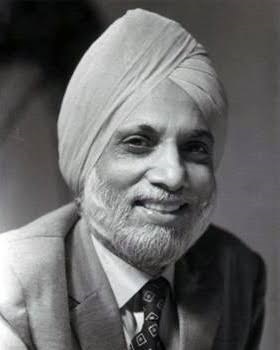
Kartar Singh Duggal (1 March 1917 – 26 January 2012) was a prolific, versatile, and deeply revered Indian writer who penned exceptional works across Punjabi, Urdu, Hindi, and English. A pioneer of modern Punjabi short stories, Duggal’s expansive literary footprint spanned over 500 short stories, novels, plays, poetry collections, and critical essays. Beyond his literary genius, he was a distinguished public administrator who served All India Radio and the National Book Trust, leaving an indelible mark on India’s cultural landscape.
2. Quick facts
- Full Name: Kartar Singh Duggal
- Native Name: ਕਰਤਾਰ ਸਿੰਘ ਦੁੱਗਲ (Punjabi)
- Date of Birth: March 1, 1917
- Place of Birth: Dhamyal, Rawalpindi District, British India (present-day Pakistan)
- Nationality: Indian
- Occupation/Profession: Author, Poet, Playwright, Broadcaster, and Administrator
- Field of Achievement: Punjabi Literature, Broadcast Media, and Cultural Administration
- Years Active: 1930s – 2012
3. Award Information (Focus: Padma Bhushan)
- Award Name: Padma Bhushan
- Award Category: India’s Third-Highest Civilian Award
- Award Year: 1988
- Presented By: The President of India
- Date of Ceremony: Republic Day Investiture, Rashtrapati Bhavan, New Delhi
- Citation/Official Reason: For exceptional and distinguished service to the nation in literature and education.
- Previous/Next Recipients: Conferred alongside other prominent litterateurs, scientists, and public intellectuals of the 1988 honors batch.
4. Why did they receive the award?
Duggal received the Padma Bhushan in recognition of his towering contribution to Indian letters—particularly his revolutionary style in Punjabi fiction. By breaking away from traditional romanticized idioms to explore the raw psychological, social, and economic realities of ordinary people, he elevated Punjabi literature to global recognition. Furthermore, his administrative dedication to national publishing institutions cemented his status as a cultural stalwart.
5. Early Life
Born in Dhamyal (Rawalpindi) in 1917, Duggal grew up amidst the rich cultural tapestry of undivided Punjab. He witnessed firsthand the shifting socio-political currents leading up to India’s independence and the trauma of the 1947 Partition, an event that deeply scarred his worldview and heavily influenced his empathetic, humanist writings on communal harmony and displacement.
6. Education
- Undergraduate & Postgraduate: Completed his Master of Arts (M.A.) in English from Forman Christian College, Lahore, in 1939.
- Early Literary Stints: During his university years in Lahore, he developed a profound command over multiple languages, setting the foundation for his multilingual writing career across Punjabi, Urdu, and English.
7. Carrier Journey
- All India Radio (AIR): Began his professional career with AIR, serving in various capacities including Station Director, where he revolutionized broadcasting and nurtured creative talent across regional stations.
- National Book Trust (NBT): Served as Secretary and Director of the National Book Trust, spearheading initiatives to make affordable books accessible to masses across India.
- Editor & Advisor: Associated with several literary boards, publishing bodies, and advisory councils, including the Sahitya Akademi.
- Parliamentary Role: Nominated as a Member of Parliament (Rajya Sabha) in August 1997, giving voice to arts and culture in the upper house.
8. Major Achievements
- Prolific Output: Authored over 500 short stories, 10 novels, and numerous poetry and drama collections.
- Sahitya Akademi Award (1965): Won the prestigious Sahitya Akademi Award for his stellar short story collection Ik Chhit Chanan Di in Punjabi.
- Sahitya Akademi Fellowship (2007): Conferred the highest honor bestowed by India’s National Academy of Letters, recognizing his lifetime contribution to literature.
- Noted Works: Twice Born Twice Dead (novel addressing partition), Sarad Poonam Ki Raat, and Mitti Musalmaan Ki.
9. Contribution to the nation
Duggal’s contributions transcended literature; he was a cultural bridge-builder. Through his radio broadcasts, his administrative stewardship of the NBT, and his poignant stories, he championed secularism, democratic values, and linguistic diversity. He ensured that the rich folklore, struggles, and ethos of Punjab were preserved and celebrated nationally.
10. Other Awards and Honours
- Padma Bhushan (1988)
- Sahitya Akademi Award (1965)
- Sahitya Akademi Fellowship (2007)
- Ghalib Award for Urdu and Punjabi writing
- Soviet Land Nehru Award
- Bhai Vir Singh Award
11. Legacy and influence
Kartar Singh Duggal is remembered as a grand amateur and trendsetter of Punjabi letters. He brought modern psychological realism into regional storytelling. His extensive body of work, translated into numerous Indian and foreign languages, remains foundational reading for anyone seeking to understand the socio-cultural fabric of 20th-century Punjab.
12. Interesting Facts
- Multilingual Master: Though primarily celebrated in Punjabi, Duggal wrote fluidly and published critically acclaimed works in Urdu, Hindi, and English with equal mastery.
- Partition Witness: His poignant novel Twice Born Twice Dead draws deeply from his personal anguish and observations of the 1947 Partition.
- Literary Partner: He shared a deeply inspiring partnership with his wife, Ayesha Duggal, with whom he often documented personal and historical accounts of survival and romance during the Partition.
13. Quotes
“A writer’s truest allegiance is not to a state or a political ideology, but to the dignity, pain, and quiet resilience of the common human soul.”
14. Timeline
- 1917: Born on March 1 in Dhamyal, Rawalpindi.
- 1939: Completes his M.A. in English from Forman Christian College, Lahore.
- 1942: Joins All India Radio, beginning a long career in public broadcasting.
- 1965: Receives the Sahitya Akademi Award for Ik Chhit Chanan Di.
- 1988: Conferred the Padma Bhushan by the Government of India.
- 1997: Nominated as a Member of Parliament in the Rajya Sabha.
- 2007: Awarded the Sahitya Akademi Fellowship.
- 2012: Passes away on January 26 at the age of 94.
15. References
- Wikipedia contributors. Kartar Singh Duggal. Wikipedia, The Free Encyclopedia.
- Sahitya Akademi Archives on Fellows and Awardees.
- Singh, Ranjit; Kripa Shankar. Sikh Achievers. Hemkunt Press.
16. Related Personalities
- Bhai Vir Singh: Legendary Punjabi poet and scholar whose literary traditions influenced early modern writers like Duggal.
- Amrita Pritam: Iconic contemporary Punjabi poet and novelist who chronicled similar themes of partition and human pain.
17. Frequently Asked Questions (FAQ)
Q: What is Kartar Singh Duggal best known for?
A: He is celebrated as one of the founding pillars of modern Punjabi literature, having written over 500 short stories, novels, and plays addressing human psychology and social realities.
Q: Did Kartar Singh Duggal write in languages other than Punjabi?
A: Yes, although renowned for Punjabi, he wrote extensively and fluidly in Urdu, Hindi, and English.
Q: What major honors did he receive?
A: He received the Sahitya Akademi Award in 1965, the Padma Bhushan in 1988, and the Sahitya Akademi Fellowship in 2007.
About the Author