

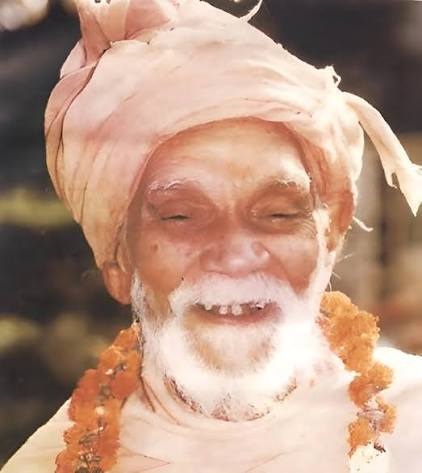
Swami Kalyandev ji Maharaj (born 26 June 1876 [claimed] – died 14 July 2004) was a revered Indian ascetic, philosopher, and social worker. Often noted for his longevity claim of reaching 128 years old (spanning three centuries), he dedicated his long life entirely to rural upliftment, education, the eradication of social evils, and the preservation of historical and religious heritage in India.
1. Introduction
Swami Kalyandev was a visionary social reformer and spiritual leader who firmly believed that “service to humanity is service to God.” Operating primarily from the rural heartlands of Western Uttar Pradesh, he spearheaded numerous grassroots initiatives in education, healthcare, and rural infrastructure. Honored with some of India’s highest civilian distinctions, he was deeply respected by national leaders across generations—from Mahatma Gandhi and Jawaharlal Nehru to later political figures.
2. Quick Facts
- Full Name: Swami Kalyandev ji Maharaj
- Native Name: स्वामी कल्याणदेव
- Date of Birth: June 26, 1876 (claimed)
- Place of Birth: Kotana, Baghpat District, Uttar Pradesh, India
- Nationality: Indian
- Occupation/Profession: Ascetic, Social Reformer, Philanthropist, and Educator
- Field of Achievement: Grassroots Social Work, Rural Education, and Cultural Preservation
- Years Active: Late 19th Century – 2004
3. Award Information (Padma Bhushan)
- Award Name: Padma Bhushan
- Award Category: Civil Honour (Third-highest civilian award in India)
- Award Year: 2000
- Presented By: Government of India (President of India)
- Citation/Official Reason: For exceptional and distinguished service of a high order to the nation in the field of social work, particularly for his lifelong dedication to rural communities.
4. Why He Received the Award
Swami Kalyandev was honored with the Padma Bhushan (and earlier the Padma Shri in 1982) for his tireless, decades-long efforts to transform rural India. Without seeking personal fame, he established schools, ashrams, and hospitals, championed the upliftment of the marginalized, and actively worked to bridge social disparities in rural villages.
5. Early Life
Born into a modest family in Kotana (Baghpat district, Uttar Pradesh), he showed a deeply spiritual inclination from an early age. In his youth, he traveled extensively across spiritual hubs like Ayodhya and Haridwar. While in Haridwar, hearing about Swami Vivekananda’s historic visit to Khetri inspired him to travel there to meet him. This encounter marked a profound turning point in his life, directing his path toward selfless service and asceticism.
6. Education & Spiritual Training
- Spiritual Initiation: Upon returning from Khetri, he became a disciple of Swami Purnananda of Muni Ki Reti, Rishikesh, who formally initiated him and gave him the name Swami Kalyandev.
- Early Asceticism: He spent initial years performing intense tapasya (spiritual austerity and meditation) in the Himalayas before pivoting toward active humanitarian work.
- Honorary Recognition: In recognition of his immense societal contributions, Ch. Charan Singh University (Meerut University) conferred upon him an honorary Doctor of Letters (D. Litt.) degree later in life.
7. Career Journey
- Shifting to Action: Recognizing that “real India lives in its villages,” Swami Kalyandev walked vast distances across villages to understand local struggles.
- Founding Institutions: He established multiple educational institutions, Sanskrit pathshalas, and healthcare camps.
- Institutionalizing Service: He founded the Shukadeva Ashrama and Seva Samiti in Shuktal (Muzaffarnagar), which became the focal point of his spiritual and charitable missions.
8. Major Achievements
- Pioneering Rural Development: Established numerous schools, colleges, and technical training centers across Western Uttar Pradesh to bring education to underprivileged rural youth.
- Monumental Heritage Restoration: Led massive restoration efforts for neglected historical and religious landmarks, including sites in Shuktal, Hastinapur (the ancient Mahabharata-era capital), and various pilgrimage spots across Haryana.
- Building Landmarks: Oversaw the construction of notable spiritual landmarks, including a towering 80-foot statue of Hanumanji at Shuktal.
9. Contribution to the Nation
Swami Kalyandev’s contributions were foundational to rural empowerment in northern India. He actively fought against social rigidities, advocating fiercely against untouchability and the caste system. By prioritizing female education and rural self-sufficiency, he laid the groundwork for modern social welfare infrastructure long before state programs reached deep into remote villages.
10. Other Awards and Honours
- Padma Shri (1982): Conferred by the Government of India for pioneering social service.
- Nanda Naitik Puraskar (1993): Awarded for high ethical standards in public service.
- D. Litt. Degree (2002): Awarded by Meerut University.
11. Legacy and Influence
Swami Kalyandev is remembered as a “Visionary of Three Centuries” whose life spanned the British Raj through independent India into the 21st century. Leaders across political lines frequently visited his ashram to seek his counsel. Before passing away on July 14, 2004, he entrusted his mission of social welfare and institutional stewardship to his chief disciple, Swami Omanand Saraswati Ji.
12. Interesting Facts
- Age Claim: His birth record placed his birth on June 26, 1876, making him one of India’s most prominent longevity claimants, living to a claimed age of 128.
- Acquaintance with Freedom Fighters: He met Mahatma Gandhi as early as 1915 and interacted closely with national icons like Pandit Madan Mohan Malaviya, Motilal Nehru, and Vinoba Bhave.
- Political Advisor: In the late 1980s, political leaders like V.P. Singh visited him for guidance, and Swamiji’s advice on political campaigns was credited with helping shape crucial political trajectories.
13. Quotes
“Each man is essentially divine in nature, and service to humanity is service to the supreme [God].” — Swami Kalyandev
14. Timeline
- June 26, 1876: Claimed birth date in Kotana village, Uttar Pradesh.
- Early 1900s: Meets Swami Vivekananda’s ideals; initiates discipleship under Swami Purnananda.
- 1915: Meets Mahatma Gandhi.
- 1982: Awarded the Padma Shri by the Government of India.
- 2000: Conferred the Padma Bhushan.
- July 14, 2004: Passes away at the claimed age of 128.
15. References
- Government of India – Padma Awards records.
- Shri Shukdev Ashram & Swami Kalyan Dev Seva Trust archives.
- Limca Book of Records.
- Regional historical documentations and media interviews (Amar Ujala, The Tribune).
16. Related Personalities
- Swami Vivekananda (His philosophical inspiration)
- Mahatma Gandhi (Familiar contemporary in early social reform movements)
- Swami Omanand Saraswati (His primary disciple and successor)
17. Frequently Asked Questions (FAQ)
- Q: Why is Swami Kalyandev famous?
- A: He was a renowned ascetic and social reformer who spent decades working for rural education, healthcare, and the eradication of the caste system, alongside holding a notable longevity claim of living to 128.
- Q: What civilian awards did he receive?
- A: He received the Padma Shri in 1982 and the prestigious Padma Bhushan in 2000.
- Q: Where was his primary center of activity?
- A: He was heavily active across Western Uttar Pradesh, centering much of his spiritual and welfare work out of Shuktal (Shukteerth) near Muzaffarnagar.
About the Author




