

1. Introduction
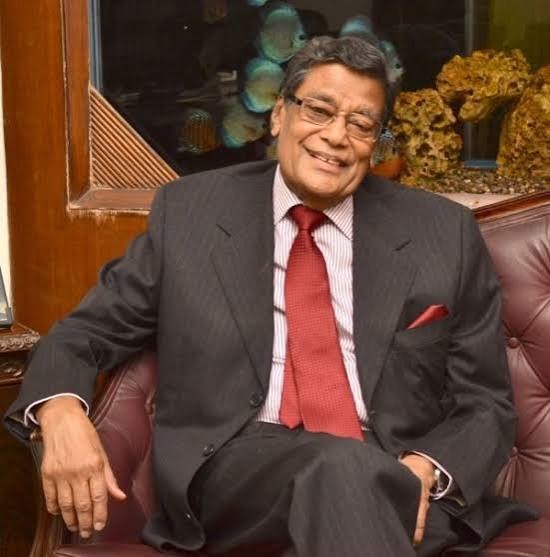
Kottayan Katankot Venugopal, globally recognized as K. K. Venugopal, is one of India’s most eminent constitutional lawyers, jurists, and senior advocates in the Supreme Court of India. Spanning a legal career of over six decades, he has been a stalwart defender of constitutional integrity, human rights, and judicial independence. Having served as the 15th Attorney General for India, Venugopal remains an iconic figure whose legal acumen has shaped modern Indian democracy and constitutional interpretation.
2. Quick facts
- Full Name: Kottayan Katankot Venugopal (K. K. Venugopal)
- Native Name: കൊട്ടയിൽ കതങ്കോട്ട് വേണുഗോപാൽ (Malayalam)
- Date of birth: September 6, 1931
- Place Of birth: Kanhangad, Kasaragod district (then part of Madras Presidency, British India)
- Nationality: Indian
- Occupation/ Profession: Constitutional Lawyer, Senior Advocate, Jurist, and Public Administrator
- Field of Achievement: Constitutional Law, Supreme Court Litigation, and International Jurisprudence
- Years Active: 1954 – Present
3. Award Information (Focusing on his Highest Honor: Padma Vibhushan)
- Award Name: Padma Vibhushan
- Award Category: India’s Second-Highest Civilian Award
- Award Year: 2015
- Presented By: Government of India (Conferred by the President of India)
- Date of Ceremony: Republic Day honors cycle, 2015
- Citation/Official Reason: For exceptional and distinguished service to the nation in the field of public affairs, law, and jurisprudence.
- Previous Recipients (Examples): Luminaries across science, arts, public service, and statesmanship.
- Next Recipients: Conferred annually as part of national civilian honors.
4. Why they Receive the award?
K. K. Venugopal was conferred the Padma Vibhushan (and earlier the Padma Bhushan in 2002) in recognition of his monumental lifetime contributions to the Indian legal system. Over a storied career, he has appeared in countless landmark constitutional litigations, defended the basic structure of the Constitution, assisted international tribunals, helped draft foreign constitutions (such as Bhutan’s), and served the highest offices of Indian legal administration with peerless integrity.
5. Early Life
Born on September 6, 1931, into a distinguished Malayalee family in Kanhangad (Kerala), Venugopal grew up immersed in a legal environment. He is the son of the legendary constitutional lawyer and barrister M. K. Nambiar, who famously argued several foundational cases in independent India. Growing up alongside his siblings, Venugopal absorbed profound lessons in discipline, analytical rigor, and public service from his father, which shaped his lifelong journey in law.
6. Education
- Schooling: Completed his early schooling in Mangalore, Karnataka.
- Undergraduate Degree: Earned a Bachelor of Science (B.Sc.) degree in Physics from Madras Christian College (MCC), Chennai.
- Legal Studies: Pursued his Bachelor of Laws (LL.B.) degree from Raja Lakhamgouda Law College, Belgaum, Karnataka.
7. Carrier Journey
- Early Practice: Enrolled as an advocate in 1954 at the Madras High Court, training in the chambers of his father.
- Moving to the Supreme Court: Shifted his practice base to the Supreme Court of India in the early 1960s and was designated as a Senior Advocate in March 1972.
- Additional Solicitor General: Served as the Additional Solicitor General of India from 1979 to 1980.
- International Roles: Served as the President of the Union Internationale des Avocats (International Association of Lawyers) from 1996 to 1997.
- Attorney General for India: Appointed as the 15th Attorney General for India on July 1, 2017, serving multiple extended terms until September 2022.
8. Major Achievements
- Constitutional Landmark Cases: Associated with or appeared in some of India’s most critical legal battles, including the Kesavananda Bharati case (Basic Structure Doctrine), the Ayodhya Land Dispute, the Right to Privacy case, and the 2G spectrum investigations.
- Drafting Bhutan’s Constitution: Invited by the Royal Government of Bhutan to serve as a constitutional adviser to assist in drafting the Constitution of the Kingdom of Bhutan during its transition to a democracy.
- Bar Leadership: Elected multiple times as the President of the Supreme Court Bar Association (SCBA) (1990–91, 1994–95, and 1999–2000).
- Editor-in-Chief: Served as the Editor-in-Chief for prominent legal treaties, including successive editions of Justice Bachawat’s Law of Arbitration & Conciliation.
9. Contribution to the nation
K. K. Venugopal has been a steadfast guardian of India’s democratic framework. As Attorney General, he navigated complex legal disputes on behalf of the central government with balanced statesmanship, always prioritizing constitutional morality. Beyond state litigation, his global legal footprint, mentorship of younger generations of lawyers, and fierce defense of judicial independence have cemented his role as a pillar of modern Indian nation-building.
10. Other Awards and Honours
- Padma Bhushan (2002) – Government of India
- Padma Vibhushan (2015) – Government of India
- Global Award (2003) – Conferred by the Chief Minister of Kerala
- Eswara Iyer Distinguished Lawyer Award – Kerala Bar Federation
- Multiple lifetime achievement recognitions from international arbitration and legal associations.
11. Legacy and influence
Venugopal represents an era of legal practice defined by meticulous preparation, eloquence, courtesy, and absolute reverence for the rule of law. His body of work—ranging from constitutional debates to international human rights advocacy—serves as a textbook reference for law students and practitioners globally. He stands alongside legends of the Indian bar who transitioned the country’s legal landscape from post-independence ideals into a mature, resilient modern democracy.
12. Interesting Facts
- Scientific Background: Before diving into law, Venugopal originally earned a degree in Physics, which friends and colleagues often credit for his sharp, structured, and logical scientific temperament during legal arguments.
- Generational Legal Dynasty: He represents a rare three-generation legal lineage—succeeded in the Supreme Court by his son, Krishnan Venugopal, continuing a family tradition set by his father M. K. Nambiar.
- Prolonged Tenure: When he concluded his stint as India’s Attorney General in late 2022 at over 90 years of age, he was one of the oldest active high-ranking constitutional functionaries in the world.
13. Quotes
“The independence of the judiciary and the freedom of the press are the two pillars upon which the temple of Indian democracy rests.”
“A lawyer’s duty is not merely to win cases for a client, but to assist the court in arriving at the truth and upholding the Constitution.”
14. Timeline
- 1931: Born on September 6 in Kanhangad, Kerala.
- 1954: Enrolls as an advocate at the Madras High Court.
- 1972: Designated as a Senior Advocate by the Supreme Court of India.
- 1979–1980: Serves as Additional Solicitor General of India.
- 1996–1997: Serves as President of the International Association of Lawyers (UIA).
- 2002: Conferred the Padma Bhushan.
- 2015: Conferred the Padma Vibhushan, India’s second-highest civilian honor.
- 2017: Appointed as the Attorney General for India.
- 2022: Completes his final term as Attorney General, transitioning to active senior counsel advisory roles.
15. References
- Supreme Court of India – Official Bar Registers and Case Records.
- Ministry of Home Affairs, Government of India – Padma Awards Directory.
- Biographical archives from legal portals (LiveLaw, Legal Era) and international legal profiles.
- Venugopal, K.K. Interviews and historical essays on Indian constitutional development.
16. Related Personalities
- M. K. Nambiar (Legendary constitutional lawyer and father of K. K. Venugopal)
- Fali S. Nariman (Renowned contemporary jurist and senior advocate)
- Soli Sorabjee (Former Attorney General of India and legendary legal luminary)
- Krishnan Venugopal (Senior advocate and son of K. K. Venugopal)
17. Frequently Asked Questions (FAQ)
Q1: What is K. K. Venugopal most famous for?
A: K. K. Venugopal is world-renowned as a premier constitutional lawyer and jurist who served as India’s Attorney General and appeared in landmark Supreme Court cases protecting fundamental rights and constitutional structures.
Q2: Which major civilian awards has he received?
A: He has received both the Padma Bhushan (2002) and India’s second-highest civilian honor, the Padma Vibhushan (2015).
Q3: When did he serve as the Attorney General of India?
A: He served as the 15th Attorney General for India from July 2017 through September 2022, earning multiple extensions for his veteran guidance.
About the Author




