1. Introduction
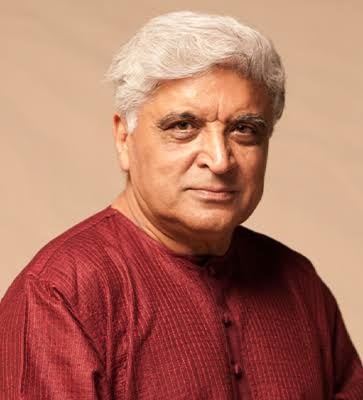
Javed Akhtar (born 17 January 1945) is a towering figure in Indian cinema, literature, and cultural discourse. As one-half of the legendary screenwriting duo Salim-Javed, he revolutionized Bollywood in the 1970s, crafting era-defining blockbusters like Sholay, Deewaar, and Zanjeer that birthed the archetype of the “angry young man.” As a celebrated lyricist, his poetic verses have given voice to generations of cinematic emotions. Beyond cinema, he is a fearless advocate for secularism, free speech, and progressive values, earning him immense global reverence.
2. Quick Facts
- Full Name: Javed Akhtar
- Native Name: جاوید اختر
- Date of Birth: January 17, 1945
- Place of Birth: Gwalior, princely state of Gwalior (now in Madhya Pradesh), British India
- Nationality: Indian
- Occupation / Profession: Poet, Lyricist, Screenwriter, Political Activist, Lyricist-Author
- Field of Achievement: Hindi Cinema, Urdu Poetry, Screenwriting, Lyric Writing, and Social Activism
- Years Active: 1960s–Present (Over six decades of prolific creative contribution)
3. Award Information (Focus: Padma Bhushan)
- Award Name: Padma Bhushan
- Award Category: Civil Honour (Third-highest civilian award in India)
- Award Year: 2007
- Presented By: Government of India (Conferred by President Dr. A.P.J. Abdul Kalam)
- Date of Ceremony: March 2007
- Citation / Official Reason: For his exceptional contributions to Indian art, cinema, and literature, and his unmatched mastery as a lyricist, screenwriter, and cultural voice.
- Previous Recipients (Optional): Prominent filmmakers, writers, and national artists.
- Next Recipients: Subsequent distinguished achievers in succeeding years.
4. Why They Received the Award?
Javed Akhtar received the Padma Bhushan—along with the Padma Shri (1999), the Sahitya Akademi Award (2013), and five National Film Awards—because he transformed the literary and narrative standards of Indian cinema. Through Salim-Javed, he redefined screenwriting into an art form with complex character arcs and socio-political relevance. Furthermore, his deeply moving Urdu poetry and lifelong defense of humanism and secularism made him an indispensable pillar of Indian culture.
5. Early Life
Born in Gwalior on January 17, 1945, into a deeply literary family, Javed Akhtar is the son of renowned poet, songwriter, and scholar Jan Nisar Akhtar and singer-writer Safia Akhtar. His great-grandfather, grandfather, and father were all celebrated poets. Growing up amidst Urdu poetry, political discussions, and artistic circles, he faced early hardships after his mother passed away when he was young, leading to a transient and challenging upbringing in Bhopal and Lucknow.
6. Education
He completed his schooling in Bhopal and later attended Saifiya College, Bhopal, where he earned his Bachelor of Arts (BA) degree. However, his real education came from the rich literary discussions around his family dinner table, extensive reading of Urdu and English literature, and a deep immersion into the cultural fabric of northern India.
7. Career Journey
- Struggling Early Years: Arrived in Mumbai (then Bombay) in October 1964 with very little money, initially finding small jobs as a dialogue and scene writer for low-budget films.
- The Salim-Javed Phenomenon: Partnered with actor-turned-writer Salim Khan in the late 1960s. Together as Salim-Javed, they wrote blockbusters like Seeta Aur Geeta (1972), Zanjeer (1973), Sholay (1975), Deewaar (1975), and Trishul (1978), becoming the first screenwriters in Indian cinema to attain star status and high remuneration.
- Transition to Lyric Writing: After the duo split in the early 1980s, Akhtar transitioned successfully into songwriting, debuting as a lyricist with Yash Chopra’s Silsila (1981) and writing timeless songs for films like 1942: A Love Story, Border, Lagaan, and Dil Chahta Hai.
- Public & Parliamentary Life: Appointed as a member of the Rajya Sabha (the Upper House of the Indian Parliament) from 2010 to 2016, where he championed progressive legislation and copyright protection for artists.
8. Major Achievements
- Revolutionized Bollywood Screenwriting: Created the iconic “angry young man” persona that resonated with the socio-economic frustrations of 1970s India.
- Cinematic Records: Sholay (1975) written by Salim-Javed remains one of the greatest and most financially successful Indian films of all time.
- Multiple National Awards: Won the National Film Award for Best Lyrics a record-tying 5 times.
- Sahitya Akademi Award (2013): Honored for his Urdu poetry collection Lava.
- Copyright Amendment Act (2012): Played a monumental role in Parliament to amend the Copyright Act, ensuring Indian lyricists and music composers receive lifetime royalty rights.
9. Contribution to the Nation
Javed Akhtar elevated the dignity of writers and lyricists in the Indian entertainment industry, ensuring they received legal recognition and financial royalties. As an outspoken public intellectual, he has consistently championed secularism, women’s rights, and rationalist thinking, using his poetry and public platform to foster communal harmony and democratic values across India.
10. Other Awards and Honours
- Padma Shri (1999): Conferred by the Government of India for contributions to arts and literature.
- Padma Bhushan (2007): India’s third-highest civilian honor.
- Sahitya Akademi Award (2013): For his poetry collection Lava.
- Richard Dawkins Award (2020): Became the first Indian to receive this international award for promoting secularism, humanism, and critical thinking.
- Filmfare Awards: Won 14 Filmfare Awards (7 for Best Screenplay and 7 for Best Lyrics).
11. Legacy and Influence
Javed Akhtar is considered a modern literary giant who bridged classical Urdu poetry with contemporary popular culture. His lyrics capture intricate human emotions with deceptive simplicity, while his screenplays established structural perfection in commercial filmmaking. Through his marriage to legendary actress Shabana Azmi, he forms part of one of India’s most influential cultural and progressive power couples.
12. Interesting Facts
- The Origin of “Javed”: He was originally named Jadoo (Magic) by his parents, derived from a couplet in his father’s poetry (“Lamha lamha kisi ka jadoo hai”), before it was formally changed to Javed for school records.
- Sleeping on Park Benches: When he first arrived in Mumbai in 1964, he spent his initial nights sleeping on Mumbai’s pavements and railway platforms before finding shelter.
- Atheism and Rationalism: He is an outspoken atheist and rationalist, frequently using his poetry and public speeches to critique religious fundamentalism and superstition.
13. Quotes
“Andheron se ladne ka ek hi tarika hai — apne andar roshni paida karo.” (There is only one way to fight the darkness — generate light within yourself.)
“Censorship is a sign of lack of confidence in the maturity of the audience. A mature society does not need to be wrapped in cotton wool.”
“Luck is an excuse for the lazy. Hard work combined with clarity of thought creates destiny.”
14. Timeline
- 1945: Born on January 17 in Gwalior, Madhya Pradesh.
- 1964: Arrived in Mumbai to pursue a career in Hindi cinema.
- 1971–1982: Formed the legendary writing duo Salim-Javed, penning iconic hits like Sholay and Deewaar.
- 1981: Debuted as a film lyricist with Yash Chopra’s Silsila.
- 1984: Married acclaimed actress Shabana Azmi.
- 1999: Conferred the Padma Shri by the Government of India.
- 2007: Awarded the Padma Bhushan.
- 2010–2016: Served as a nominated Member of Parliament in the Rajya Sabha.
- 2013: Received the Sahitya Akademi Award for his poetry book Lava.
- 2020: Awarded the prestigious Richard Dawkins Award.
15. References
- Wikipedia contributors. Javed Akhtar. Wikipedia, The Free Encyclopedia.
- Sahitya Akademi Official Records. Awardees List for Urdu Literature.
- Scroll.in & The Hindu archives. Interviews and retrospectives on Salim-Javed and Javed Akhtar’s poetry.
- Akhtar, Javed. Lava (Poetry collection) & Tarkash (Poetry and prose).
16. Related Personalities
- Salim Khan: Legendary screenwriter and his creative partner in the iconic “Salim-Javed” duo.
- Shabana Azmi: Acclaimed actress, social activist, and his wife.
- Farhan Akhtar & Zoya Akhtar: His children, who are both celebrated filmmakers, actors, and writers in Hindi cinema.
- Jan Nisar Akhtar: His father and renowned Urdu poet.
17. Frequently Asked Questions (FAQ)
Q1: Who is Javed Akhtar?
A: Javed Akhtar is a legendary Indian poet, lyricist, screenwriter, and political activist renowned for writing iconic films like Sholay and timeless Urdu poetry and song lyrics.
Q2: What was the “Salim-Javed” duo?
A: Salim-Javed was a legendary screenwriting partnership between Salim Khan and Javed Akhtar (1971–1982) that revolutionized Bollywood by writing blockbusters like Deewaar, Zanjeer, and Sholay.
Q3: What major awards has Javed Akhtar received?
A: He has received the Padma Shri (1999), the Padma Bhushan (2007), the Sahitya Akademi Award (2013), five National Film Awards, and the international Richard Dawkins Award (2020).
About the Author