1. Introduction
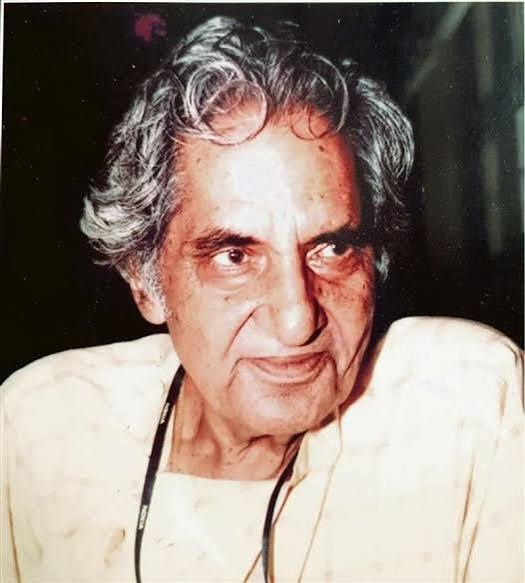
Kavalam Narayana Panicker (28 April 1928 – 26 June 2016) was a monumental figure in modern Indian theater, a celebrated poet, lyricist, and a visionary revivalist of indigenous performing arts. As the founder-director of the prominent Thiruvananthapuram-based theatre troupe Sopanam, he revolutionized the Malayalam stage by championing Thanathu Natakavedi (Indigenous/Root Theatre). By fusing classical art forms like Koodiyattam and Kathakali with rural folk traditions, he created a distinct idiom of poetic drama that earned global critical acclaim.
2. Quick facts
- Full Name: Kavalam Narayana Panicker
- Native Name: കാവാലം നാരായണപണിക്കർ
- Date of Birth: April 28, 1928
- Place Of birth: Kavalam, Kuttanad, Alappuzha district, Kerala, British India
- Nationality: Indian
- Occupation/ Profession: Playwright, Theatre Director, Poet, Lyricist, and Cultural Administrator
- Field of Achievement: Indigenous Theatre (Thanathu Natakavedi), Classical Sanskrit & Folk Drama Revival, and Film Lyricism
- Years Active: 1950s–2016
3. Award Information (Focus: Padma Bhushan)
- Award Name: Padma Bhushan
- Award Category: Civil Honour (Third-highest civilian award in India)
- Award Year: 2007
- Presented By: Government of India (Conferred by President Dr. A.P.J. Abdul Kalam)
- Date of Ceremony: March 2007
- Citation/Official Reason: For his pioneering, exceptional contributions and distinguished lifelong service to the arts, Indian theater, and literature.
- Previous Recipients (optional): Eminent artists, playwrights, and national cultural icons.
- Next Recipients: Subsequent distinguished achievers in succeeding years.
4. Why they Receive the award?
Kavalam Narayana Panicker received the Padma Bhushan—along with the prestigious Sangeet Natak Akademi Fellowship in 2002—because he fundamentally reshaped the landscape of Indian theatre. He rescued modern drama from westernized imitation (Ibsenism) by anchoring it deeply in India’s classical and regional folk traditions, producing pathbreaking plays, reviving Sanskrit theater, and enriching Malayalam cinema with deeply philosophical lyrics.
5. Early Life
Born on April 28, 1928, in the rural rustic village of Kavalam in the water-logged Kuttanad region of Alappuzha, Kerala, he grew up immersed in a vibrant landscape of agricultural rhythms, temple festivals, and indigenous folk arts. He belonged to an illustrious literary family; his father was Godavarma, his uncle was the prominent statesman and scholar Sardar K. M. Panikkar, and he was a cousin of renowned poet Dr. K. Ayyappa Paniker.
6. Education
- Schooling & College: Completed his early education in local schools and CMS College, Kottayam.
- Economics Degree: Earned his Bachelor’s degree in Economics from Sanatana Dharma College (SD College), Alappuzha.
- Legal Studies: Obtained his Bachelor of Laws (LL.B.) degree from Madras Law College, initially setting him on a path toward a legal career before his artistic calling took over.
7. Carrier Journey
- Legal Practice to Cultural Vanguard: Practiced law briefly before transitioning entirely to literature, poetry, and cultural organizing in Thiruvananthapuram.
- Founding Sopanam (1970s): Established the theater group Sopanam, which served as a dynamic laboratory for actor training, folk research, and experimental productions.
- Administrative Leadership: Served in key national cultural positions, including Vice-Chairman of the Sangeet Natak Akademi, New Delhi, and Chairman of Kathak Kendra and Kalakshetra advisory bodies.
- International Collaborations: Directed cross-cultural theatrical projects globally, including staging works in Greece (fusing the Ramayana and Iliad) and New York.
8. Major Achievements
- Pioneering Thanathu Natakavedi (Root Theatre): Operationalized and brought to life the concept of indigenous Indian theatre, utilizing stylized body movements, percussion rhythms, and ritualistic folk aesthetics (such as Padayani, Theyyam, and Koodiyattam).
- Iconic Plays: Authored and directed groundbreaking Malayalam plays including Avanavan Kadamba (1978), Daivathar, Sakshi, and Karnabharam.
- Reviving Classical Sanskrit Drama: Translated and successfully adapted classic Sanskrit masterworks by Bhasa (Karnabharam, Urubhanga), Bodhayana, and Kalidasa into vibrant, contemporary theatrical spectacles.
- Award-Winning Lyricist: Wrote memorable, earthy lyrics for Malayalam cinema, winning the Kerala State Film Award for Best Lyrics twice (for Vadakakkoru Hridayam in 1978 and Marmaram in 1982).
9. Contribution to the Nation
Kavalam de-colonized Indian theatre. At a time when Indian stages heavily mimicked Western naturalist traditions, he proved that ancient Indian aesthetic theories—such as Bharata Muni’s Rasa system—combined with local folk expressions could speak powerfully to contemporary audiences. He kept indigenous performance lineages alive by training hundreds of young actors in traditional body disciplines.
10. Other Awards and Honours
- Kerala Sahitya Akademi Award (1975): For his play Naatakachakram.
- Sangeet Natak Akademi Award for Direction (1983).
- Kalidas Samman (1994–1995): Conferred by the Government of Madhya Pradesh.
- Sangeet Natak Akademi Fellowship (2002): The highest national lifetime achievement recognition for performing arts.
- Padma Bhushan (2007): Conferred by the President of India.
- Vallathol Award (2009).
- Kerala Sahitya Akademi Fellowship (2014).
11. Legacy and Influence
Remembered as Natakacharya (The Master of Theatre), Kavalam left behind an enduring institutional legacy through Sopanam and the Bhashabharati research center in Thiruvananthapuram. His stylistic philosophy heavily influenced generations of actors, directors, and musicians, transforming how traditional Indian mythology and folklore are adapted for modern stages.
12. Interesting Facts
- From Courtrooms to Stage: Though he spent years studying law at Madras Law College and practicing briefly, his heart remained tethered to the folk songs and poetry of Kuttanad, leading to a complete career pivot into the arts.
- Collaborating with Aravindan: His legendary play Avanavan Kadamba was famously adapted into an acclaimed film by master arthouse cinema director G. Aravindan, bridging experimental theatre and cinema.
- Musical Family: His younger son, Kavalam Sreekumar, is a celebrated classical and playback singer in Kerala who frequently scored and sang for his father’s theatrical productions.
13. Quotes
“Theatre is not just a written script spoken on a platform; it is a living ritual driven by rhythm, breath, body movement, and collective cultural memory.”
“Our folk traditions are not relics of the past; they are living, breathing wells of modern creative energy.”
14. Timeline
- 1928: Born on April 28 in Kavalam, Kerala.
- 1960s–70s: Formulated the Thanathu Natakavedi movement alongside fellow intellectuals and artists.
- 1978: Staged his iconic pathbreaking play Avanavan Kadamba.
- 1983: Awarded the Sangeet Natak Akademi Award for Direction.
- 2002: Conferred the highest Sangeet Natak Akademi Fellowship.
- 2007: Awarded the prestigious Padma Bhushan by President Dr. A.P.J. Abdul Kalam.
- 2014: Honored with the Kerala Sahitya Akademi Fellowship.
- 2016: Passed away on June 26 in Thiruvananthapuram at the age of 88.
15. References
- Wikipedia contributors. Kavalam Narayana Panicker. Wikipedia, The Free Encyclopedia.
- The New Indian Express & Malayala Manorama. Obituary: Master playwright Kavalam Narayana Panicker passes away (June 2016).
- Sangeet Natak Akademi Official Archives. Fellows and Awardees Directory.
- Vajpeyi, Udayan, ed. K.N. Panikkar: The Theatre of Rasa. Niyogi Books.
16. Related Personalities
- Sardar K. M. Panikkar: Celebrated Indian diplomat, historian, and uncle who heavily inspired his early intellectual environment.
- G. Aravindan: Legendary film director who collaborated with him on pathbreaking cinematic and theatrical ventures.
- Mani Madhava Chakyar: Legendary Koodiyattam maestro whose classical mastery deeply influenced Kavalam’s theatrical grammar.
17. Frequently Asked Questions (FAQ)
Q1: Who was Kavalam Narayana Panicker?
A: Kavalam Narayana Panicker was a legendary Indian dramatist, poet, and theater director who spearheaded the Thanathu Natakavedi (Root Theatre) movement, bridging classical and folk traditions.
Q2: What is Thanathu Natakavedi?
A: It is an indigenous theater movement pioneered in Kerala that rejected Western theatrical realism in favor of traditional Indian aesthetic forms, indigenous music, body movements, and regional folklore.
Q3: What major awards did he receive?
A: His major accolades include the Sangeet Natak Akademi Award (1983), the Sangeet Natak Akademi Fellowship (2002), the Kalidas Samman (1994), and India’s third-highest civilian honor, the Padma Bhushan (2007).
About the Author