1. Introduction
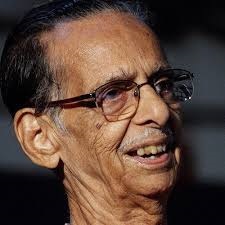
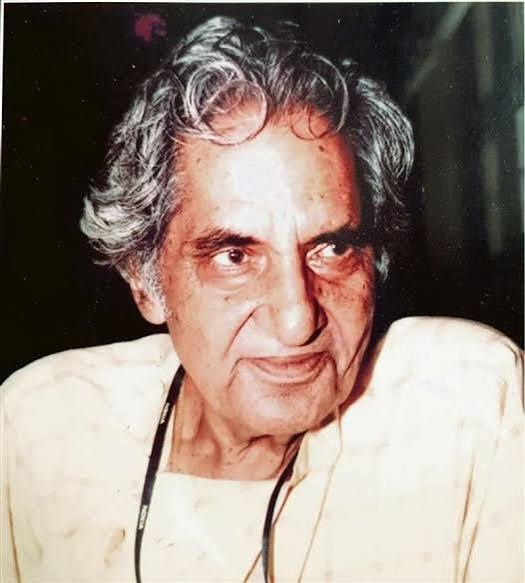
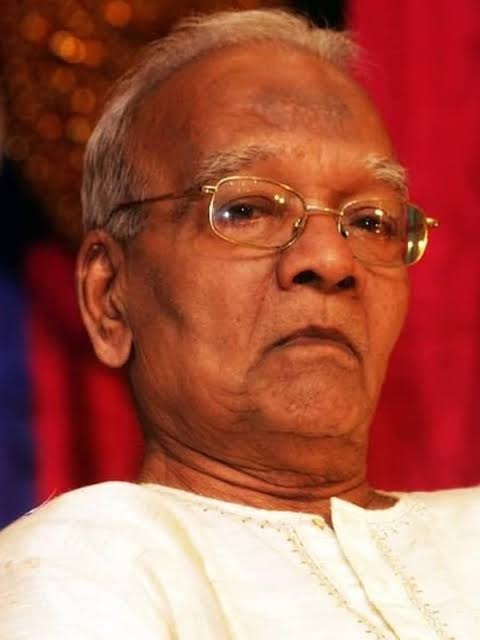
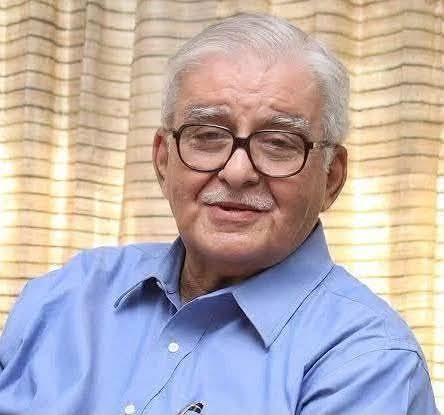
Dr. Jamshed Jiji Irani (2 June 1936 – 31 October 2022), popularly known as the “Steel Man of India,” was a legendary industrialist, metallurgist, and corporate visionary. Having spent over four decades with the Tata Group, he played a monumental role in steering Tata Steel through India’s economic liberalization in the early 1990s, transforming it into one of the world’s most cost-efficient and top-quality steel producers. His lifelong dedication to metallurgical engineering, corporate ethics, and quality management left a permanent stamp on Indian manufacturing.
2. Quick facts
- Full Name: Dr. Jamshed Jiji Irani (J. J. Irani)
- Native Name: जमशेद जिजी ईरानी
- Date of Birth: June 2, 1936
- Place Of birth: Nagpur, Central Provinces and Berar, British India (now in Maharashtra)
- Nationality: Indian
- Occupation/ Profession: Industrialist, Metallurgist, Corporate Leader, and Academic Administrator
- Field of Achievement: Metallurgy, Steel Industry Management, Corporate Governance, and Quality Control
- Years Active: 1963–2011 (Over 4 decades of professional contribution to industry and public service)
3. Award Information (Focus: Padma Bhushan)
- Award Name: Padma Bhushan
- Award Category: Civil Honour (Third-highest civilian award in India)
- Award Year: 2007
- Presented By: Government of India (Conferred by President Dr. A.P.J. Abdul Kalam)
- Date of Ceremony: March 2007
- Citation/Official Reason: For his pioneering contributions to the Indian steel industry, industrial development, and exemplary corporate leadership.
- Previous Recipients (optional): Eminent industrialists, scientists, and national leaders.
- Next Recipients: Subsequent distinguished achievers in succeeding years.
4. Why they Receive the award?
Dr. J. J. Irani received the Padma Bhushan—along with an honorary Knighthood from Queen Elizabeth II and the Lifetime Achievement Award in Metallurgy from the Government of India—because he completely modernized Indian steel manufacturing. Under his leadership, Tata Steel embraced global quality standards, optimized production costs, and navigated the turbulent post-liberalization market, while his committee work fundamentally shaped corporate law reforms in India.
5. Early Life
Born on June 2, 1936, in Nagpur into a Parsi Zoroastrian family to Jiji Irani and Khorshed Irani, Jamshed grew up with an innate curiosity for the physical sciences. Raised during the twilight of the British Raj and the dawn of independent India, his formative years instilled in him a deep patriotic desire to apply technical science toward nation-building and heavy industrial growth.
6. Education
- Bachelor of Science (B.Sc.): Completed his B.Sc. degree from Science College, Nagpur, in 1956.
- Master of Science (M.Sc. in Geology): Earned his M.Sc. in Geology from Nagpur University in 1958.
- Advanced Metallurgy in the UK: Went to the University of Sheffield, UK, as a prestigious J. N. Tata Scholar, earning a Master’s in Metallurgy (1960) and a Ph.D. in Metallurgy (1963).
7. Carrier Journey
- British Iron & Steel Research Association (1963–1968): Began his professional career as a scientific officer in Sheffield, UK, gaining deep research exposure.
- Joining Tata Steel (1968): Returned to India out of a desire to serve the nation, joining The Tata Iron and Steel Company (now Tata Steel) as an Assistant to the Director in-charge of Research and Development.
- Executive Ascent: Rose rapidly through leadership ranks, serving as General Superintendent (1978), General Manager (1979), President (1985), Joint Managing Director (1988), and Managing Director (1992–2001).
- Board Directorships: Served on the board of Tata Steel and as a Director across several major Tata companies, including Tata Motors and Tata Teleservices, until his full retirement in 2011.
8. Major Achievements
- The “Steel Man of India”: Spearheaded the technological overhaul of Tata Steel during the 1990s, transforming an aging public-sector-style giant into one of the leanest, most efficient, and profitable steel companies globally.
- Chairing the Companies Act Expert Committee (2004): Appointed by the Government of India to chair the expert committee tasked with rewriting and modernizing India’s corporate legal framework (Companies Act).
- Pioneering Quality Movements: Championed the Total Quality Management (TQM) movement in India and instituted the Tata Education Excellence Program in 2003 to elevate school education standards.
- CII Leadership: Served as the National President of the Confederation of Indian Industry (CII) for 1992–1993.
9. Contribution to the Nation
Dr. Irani built the structural foundation for modern Indian heavy industry. By proving that Indian manufacturing could compete toe-to-toe with global giants in terms of cost and quality, he boosted national economic self-reliance. Furthermore, his administrative contributions to corporate law, educational governance (as Chairman of the Board of Governors at IIM Lucknow), and technical training deeply strengthened India’s institutional framework.
10. Other Awards and Honours
- International Fellow of the Royal Academy of Engineering (1996): Recognized globally for engineering excellence.
- Honorary Knighthood (KBE) – 1997: Conferred by Queen Elizabeth II for fostering Indo-British trade and industrial cooperation.
- Padma Bhushan (2007): Conferred by the Government of India for distinguished service to industry.
- National Lifetime Achievement Award in Metallurgy (2008): Awarded by the Ministry of Steel, Government of India.
11. Legacy and Influence
Remembered affectionately as a humble gentleman and a visionary titan, Dr. Irani shaped the modern landscape of Jamshedpur and the global reputation of the Tata Group. His insistence on ethical governance, human resource development, and relentless technological upgrade set the benchmark for corporate stewardship in modern India.
12. Interesting Facts
- Lifelong Passion for Sports: He was an avid sports enthusiast who passionately played and followed cricket well into his later years.
- Collector’s Eye: True to his scientific roots, he maintained a lifelong fascination with metallurgy, collecting rare metal specimens, coins, and vintage stamps.
- The Jiji Irani Challenge Cup: Along with his sister, he instituted a historic cricket tournament in Secunderabad in loving memory of their father.
13. Quotes
“Quality is not an accident; it is the result of high intention, sincere effort, intelligent direction, and skillful execution.”
“A true leader does not merely build factories or balance sheets; they build people, trust, and a sustainable future for society.”
14. Timeline
- 1936: Born on June 2 in Nagpur, British India.
- 1963: Earned his Ph.D. in Metallurgy from the University of Sheffield, UK.
- 1968: Returned to India to join Tata Steel.
- 1992: Appointed Managing Director of Tata Steel; served as CII National President.
- 1997: Conferred an Honorary Knighthood (KBE) by Queen Elizabeth II.
- 2004: Appointed Chairman of the Expert Committee on the new Companies Act.
- 2007: Conferred the prestigious Padma Bhushan by the President of India.
- 2011: Officially retired from all active board roles across Tata companies after 43 years of service.
- 2022: Passed away on October 31 in Jamshedpur, Jharkhand, at the age of 86.
15. References
- Wikipedia contributors. Jamshed Jiji Irani. Wikipedia, The Free Encyclopedia.
- Tata Steel Official Press Release. Dr Jamshed J Irani: The Steel Man of India passes away (October 31, 2022).
- The Economic Times & Business Standard. Retirement and Career Archives of Dr. J. J. Irani.
- Ministry of Home Affairs, Government of India. Padma Awards Directory.
16. Related Personalities
- J. R. D. Tata: Legendary industrialist who originally fostered and guided senior scientific talent within the Tata Group.
- Ratan Tata: Former Chairman of Tata Sons who worked closely with Dr. Irani during the era of major economic reforms.
- Dr. A.P.J. Abdul Kalam: Former President of India who presented the Padma Bhushan.
17. Frequently Asked Questions (FAQ)
Q1: Who was Dr. Jamshed Jiji Irani?
A: Dr. J. J. Irani was a legendary Indian industrialist and metallurgist known widely as the “Steel Man of India” for his four-decade career leading Tata Steel.
Q2: Why is he called the Steel Man of India?
A: He earned the moniker for modernizing India’s steel manufacturing sector, successfully steering Tata Steel through the 1991 economic liberalization, and making it one of the most efficient steel producers globally.
Q3: What major honors did he receive?
A: He received an honorary Knighthood (KBE) from Queen Elizabeth II in 1997, India’s third-highest civilian honor, the Padma Bhushan, in 2007, and the National Lifetime Achievement Award in Metallurgy in 2008.
About the Author