

1. Introduction
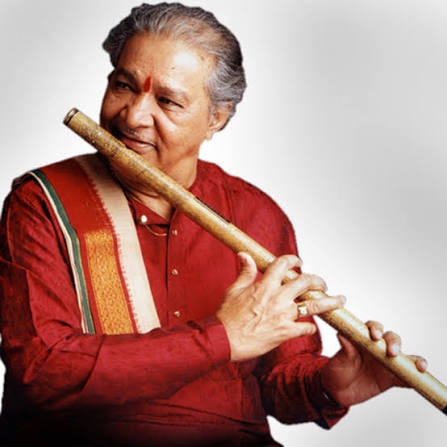
Pandit Hariprasad Chaurasia (born 1938) is a world-renowned Indian classical flutist and a legendary exponent of the bansuri (bamboo flute). Universally celebrated for popularizing the bansuri as a serious classical solo concert instrument across the globe, Chaurasia revolutionized Indian instrumental music through his breath-control mastery, lyrical fluidity, and seamless fusion of traditional classical depth with global musical collaborations.
2. Quick Facts
- Full Name: Hariprasad Chaurasia
- Native Name: हरिप्रसाद चौरसिया (Hindi / Sanskrit)
- Date of Birth: July 1, 1938
- Place of Birth: Allahabad (Prayagraj), United Provinces, British India
- Nationality: Indian
- Occupation / Profession: Classical Flutist, Composer, Educator
- Field of Achievement: Hindustani Classical Music (Bansuri)
- Years Active: c. 1950s – Present
3. Award Information (Focus: Padma Vibhushan)
- Award Name: Padma Vibhushan
- Award Category: Civil Honour (India’s second-highest civilian award)
- Award Year: 2000 (Preceded by the Padma Shri in 1984 and Padma Bhushan in 1992)
- Presented By: The President of India
- Date of Ceremony: 2000
- Citation / Official Reason: For exceptional and distinguished service to the nation in the field of arts and classical music performance.
- Previous Recipients: Distinguished artists, scientists, and national leaders of India.
- Next Recipients: Succeeding national civilian honorees.
4. Why They Received the Award
Pandit Hariprasad Chaurasia received the Padma Vibhushan in 2000 in recognition of his monumental artistic legacy. He transformed an instrument historically used for folk music into an elite vehicle for complex Hindustani classical ragas, earned global renown as a cultural ambassador of India, and spent decades mentoring generations of disciples through institutions like the Vrindaban Gurukul.
5. Early Life
Born on July 1, 1938, in Allahabad, Uttar Pradesh, Chaurasia grew up in a non-musical family—his father was a wrestler. He began learning classical vocal music secretly at age 15 from Pandit Rajaram, later transitioning to the flute under the guidance of Pandit Bholanath Nath of Varanasi. Overcoming early parental opposition and rigorous daily practice regimes, he carved out an entirely unprecedented path in Indian instrumental music.
6. Education
- General Studies: Completed foundational schooling in Allahabad.
- Vocal Training: Initial grounding in classical vocal techniques under Pandit Rajaram.
- Flute Talim: Received rigorous, traditional training (talim) under the veteran flutist Pandit Bholanath, mastering breath control, microtonal nuances (meend), and raga grammar.
7. Career Journey
- All India Radio (AIR): Began his professional career as a composer and performer with All India Radio, Cuttack (Odisha) in 1957, later moving to AIR Bombay (Mumbai).
- Film Collaborations: Formed the legendary musical duo Shiv-Hari with santoor maestro Pandit Shivkumar Sharma, composing iconic soundtracks for landmark Bollywood films like Silsila, Chandni, Lamhe, and Darr.
- Global Concert Artist: Performed across major auditoriums worldwide, collaborating with Western classical, jazz, and world music artists.
- Academic Leadership: Served as the Artistic Director of the World Music Department at the Rotterdam Music Conservatory in the Netherlands for many years.
8. Major Achievements
- Globalizing the Bansuri: Single-handedly elevated the bamboo flute from a folk instrument to a premier concert-stage vehicle capable of executing complex vocal idioms (gayaki ang).
- Shiv-Hari Partnership: Composed timeless cinematic music that bridged classical aesthetics with mainstream Indian cinema.
- The Vrindaban Gurukul: Founded premier residential music schools in Mumbai and Bhubaneswar modeled on the ancient guru-shishya parampara to pass down traditional arts to young aspirants.
9. Contribution to the Nation
Chaurasia has served as an enduring cultural ambassador for India. By carrying the tranquil, soulful voice of the bansuri to international stages, he introduced millions across the world to the spiritual depth of Indian classical traditions. Domestically, his dedication to free, traditional instruction at his gurukuls ensures that the heritage of Hindustani music remains vibrant and accessible to future generations.
10. Other Awards and Honours
- Padma Shri (1984) – India’s fourth-highest civilian honor.
- Padma Bhushan (1992) – India’s third-highest civilian honor.
- Padma Vibhushan (2000) – India’s second-highest civilian honor.
- Sangeet Natak Akademi Award (1984)
- Konark Natya Mandap Award and numerous international recognitions, including France’s Officier des Arts et des Lettres.
11. Legacy and Influence
Hariprasad Chaurasia’s playing style is defined by an immaculate, velvety tone, effortless breath control, and a profound emotional resonance that mirrors human vocal expression. His legacy lives on through a vast global diaspora of students and disciples who carry forward the microscopic melodic precision of his distinct school of flute playing.
12. Interesting Facts
- Wrestling Roots: Coming from a family of wrestlers, his father originally expected him to take up wrestling or join the family business, making his secret musical pursuits a true act of rebellion.
- The Transverse Innovation: He famously mastered playing the heavier, longer bamboo flutes by customizing finger-hole placements to allow for wider multi-octave tonal sweeps.
- Global Academia: For decades, he regularly flew between India and Europe, balancing grueling global tour schedules with teaching Western students at the Rotterdam Conservatory.
13. Quotes
“Music is a medium of prayer. When I play the flute, I forget the world; it is just me, my breath, and the divine.” — Pandit Hariprasad Chaurasia
14. Timeline
- 1938: Born on July 1 in Allahabad, Uttar Pradesh.
- 1957: Joins All India Radio, Cuttack, as a professional artist and composer.
- 1981: Begins composing film scores as part of the legendary “Shiv-Hari” duo.
- 1984: Conferred the Padma Shri by the Government of India.
- 1992: Awarded the Padma Bhushan.
- 2000: Conferred India’s prestigious Padma Vibhushan.
- 2006: Establishes the Vrindaban Gurukul in Mumbai.
15. References
- Wikipedia contributors. “Hariprasad Chaurasia.” Wikipedia, The Free Encyclopedia.
- The Hindu. “Master of the Breath: On Pandit Hariprasad Chaurasia’s Musical Journey”.
- Ministry of Home Affairs, Government of India. “Padma Awards Directory”.
16. Related Personalities
- Pandit Shivkumar Sharma: Legendary santoor maestro and Chaurasia’s creative partner in the “Shiv-Hari” musical duo.
- Pt. Bholanath: Veteran flutist and primary guru who shaped Chaurasia’s foundational flute technique.
- Ustad Zakir Hussain: Legendary tabla virtuoso who frequently collaborated with Chaurasia in landmark classical concerts.
17. Frequently Asked Questions (FAQ)
Q1: What is Pandit Hariprasad Chaurasia most famous for?
A: He is universally celebrated for popularizing the Indian bamboo flute (bansuri) as a premier classical solo instrument on concert stages worldwide.
Q2: Who was his famous musical partner in Bollywood?
A: He teamed up with santoor maestro Pandit Shivkumar Sharma to form the legendary film-composer duo Shiv-Hari, scoring iconic soundtracks like Silsila, Chandni, and Darr.
Q3: What major national honors has he received?
A: He has been honored with India’s top civilian decorations, including the Padma Shri (1984), Padma Bhushan (1992), and Padma Vibhushan (2000).
About the Author




