1. Introduction
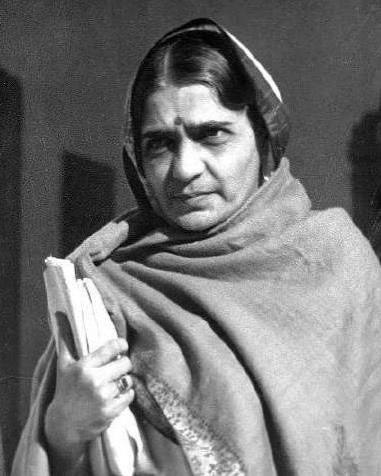
Hansa Mehta was a pioneering Indian educator, writer, social reformer, feminist, freedom fighter, and human rights advocate. She played a significant role in India’s independence movement, women’s rights movement, education reforms, and international human rights efforts.
She was one of the key contributors to the drafting of the Universal Declaration of Human Rights (UDHR) and is credited with helping change the phrase “All men are born free and equal” to “All human beings are born free and equal”, making the document more gender-inclusive. For her distinguished contributions to public affairs and social reform, she was awarded the Padma Bhushan in 1959.
2. Quick Facts
| Particular | Details |
|---|---|
| Full Name | Hansa Jivraj Mehta |
| Native Name | હંસા મહેતા (Gujarati) |
| Date of Birth | 3 July 1897 |
| Place of Birth | Surat, Bombay Presidency, British India |
| Date of Death | 4 April 1995 |
| Place of Death | Mumbai, Maharashtra, India |
| Nationality | Indian |
| Occupation / Profession | Freedom Fighter, Writer, Educator, Social Reformer, Politician |
| Field of Achievement | Human Rights, Women’s Rights, Education, Social Reform |
| Years Active | 1918–1995 |
| Known For | Contribution to Universal Declaration of Human Rights, women’s equality, education reforms |
3. Award Information
Award Name
Padma Bhushan
Award Category
Social Work / Public Affairs
Award Year
1959
Presented By
Government of India
Date of Ceremony
The Padma Awards were presented by the President of India at Rashtrapati Bhavan. The exact investiture date for Hansa Mehta’s award is not widely documented.
Citation / Official Reason
Awarded for her distinguished contribution to social reform, education, women’s empowerment, and public service.
Previous Recipients (Optional)
The Padma Bhushan is awarded to multiple distinguished individuals every year; therefore, there is no single previous recipient.
Next Recipients
There is no single next recipient because multiple awards are announced annually.
4. Why Did She Receive the Award?
Hansa Mehta received the Padma Bhushan for her lifelong contributions to:
- Women’s rights and gender equality.
- Social reform and education.
- Human rights advocacy.
- Public service and nation-building.
- Advancement of women’s participation in Indian society.
Her work helped establish equal rights as a central principle in modern India.
5. Early Life
Hansa Mehta was born on 3 July 1897 in Surat, Gujarat, into a progressive and educated family. Her father, Manubhai Mehta, was a noted administrator and scholar.
Growing up in an environment that encouraged education and social awareness, she developed strong interests in literature, politics, and reform movements.
She became actively involved in India’s freedom struggle and worked closely with national leaders.
6. Education
Hansa Mehta received a strong academic education:
- Studied at University of Bombay.
- Studied journalism and sociology in England.
- Later pursued further studies in education and social sciences.
Her education shaped her commitment to women’s empowerment and social progress.
7. Career Journey
Freedom Movement
- Participated in India’s independence movement.
- Joined the Indian National Congress.
- Took part in civil disobedience activities.
- Worked alongside leaders advocating for freedom and social justice.
Political Career
- Became a member of the Bombay Legislative Council.
- Advocated for women’s education, equality, and legal reforms.
Education Career
- Served as Vice-Chancellor of Maharaja Sayajirao University of Baroda.
- Became one of the first women in India to hold such a senior university leadership position.
International Human Rights Work
- Represented India at the United Nations.
- Served on the UN Human Rights Commission.
- Played an important role in shaping the Universal Declaration of Human Rights.
8. Major Achievements
- Helped draft the Universal Declaration of Human Rights (1948).
- Advocated replacing gender-exclusive language with gender-neutral language in the UDHR.
- Served as India’s representative to international organizations.
- Became Vice-Chancellor of Maharaja Sayajirao University of Baroda.
- Received the Padma Bhushan (1959).
- Worked extensively for women’s education and equality.
9. Contribution to the Nation
Hansa Mehta contributed to India by:
Women’s Rights
- Campaigned for equal rights and opportunities for women.
- Supported reforms related to marriage, education, and social status.
Education
- Promoted women’s education.
- Strengthened higher education institutions.
Human Rights
- Helped shape international human rights principles.
- Represented India’s commitment to equality and dignity.
Nation Building
- Worked for democratic values, social justice, and inclusive development.
10. Other Awards and Honours
- Padma Bhushan (1959).
- Recognized by national and international human rights organizations.
- Honoured for her contributions to women’s rights and education.
- Posthumously remembered as one of India’s earliest feminist leaders.
11. Legacy and Influence
Hansa Mehta’s legacy continues through:
- Women’s rights movements.
- Human rights education.
- Indian higher education reforms.
- International recognition of gender equality.
She is remembered as a visionary who connected India’s freedom struggle with the global movement for human dignity and equality.
12. Interesting Facts
- She was one of the few Indian women who played a role in drafting the Universal Declaration of Human Rights.
- She worked with Eleanor Roosevelt at the United Nations Human Rights Commission.
- She was a strong advocate for changing laws affecting women’s rights.
- She was among India’s earliest women university leaders.
- She was also a writer and translated literary works.
13. Quotes
A widely associated statement reflecting her philosophy is:
“Women must have equal rights and equal opportunities.”
However, exact wording from her original speeches should be verified before academic quotation.
14. Timeline
| Year | Event |
|---|---|
| 1897 | Born on 3 July in Surat |
| 1920s | Joined India’s freedom movement |
| 1930s | Worked for women’s rights and social reforms |
| 1946 | Represented India in international forums |
| 1948 | Contributed to drafting the Universal Declaration of Human Rights |
| 1959 | Awarded Padma Bhushan |
| 1960s–1970s | Continued educational and social work |
| 1995 | Passed away on 4 April |
15. References
For your blog, consult:
- United Nations Human Rights Office
- Padma Awards Portal
- Maharaja Sayajirao University of Baroda
- National Archives of India
- Biographies and writings on Indian women’s movements and human rights history.
16. Related Personalities
- Sarojini Naidu
- Vijaya Lakshmi Pandit
- Eleanor Roosevelt
- Mahatma Gandhi
- Durgabai Deshmukh
17. Frequently Asked Questions (FAQ)
1. Who was Hansa Mehta?
Hansa Mehta was an Indian freedom fighter, feminist, educator, writer, and human rights advocate known for her contribution to women’s rights and the Universal Declaration of Human Rights.
2. When was Hansa Mehta born?
She was born on 3 July 1897 in Surat, Gujarat.
3. Why did Hansa Mehta receive the Padma Bhushan?
She received the Padma Bhushan in 1959 for her contributions to social reform, education, women’s empowerment, and public service.
4. What was Hansa Mehta’s role in the UN?
She represented India at the United Nations and contributed to the drafting of the Universal Declaration of Human Rights.
5. What change did she suggest in the Universal Declaration of Human Rights?
She advocated replacing “All men are born free and equal” with the more inclusive phrase “All human beings are born free and equal.”
6. Was Hansa Mehta involved in India’s freedom struggle?
Yes. She participated in the independence movement and worked with the Indian National Congress.
7. Which university did Hansa Mehta lead?
She served as Vice-Chancellor of Maharaja Sayajirao University of Baroda.
8. Why is Hansa Mehta remembered today?
She is remembered as a pioneer of women’s equality, human rights, and education reform in India and internationally.
About the Author