

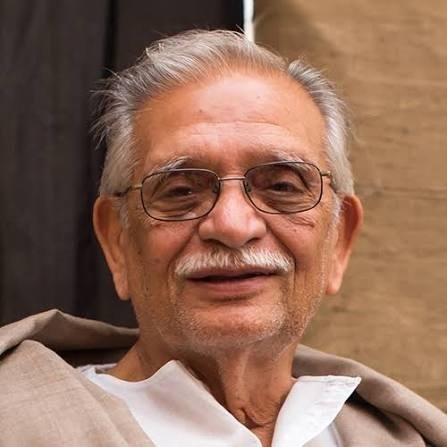
1. Introduction
Gulzar (born Sampooran Singh Kalra) is an Indian poet, lyricist, author, screenwriter, and film director. Universally regarded as one of the greatest literary and artistic voices of our time, he has profoundly shaped the cultural landscape of South Asia for over six decades. Known for his signature lyrical style that blends profound imagery with everyday colloquial simplicity, Gulzar has left an indelible mark on Indian literature, parallel cinema, and Bollywood music.
2. Quick facts
- Full Name: Sampooran Singh Kalra (Pen name: Gulzar)
- Native Name: گلزار (Urdu) / ਗુલਜ਼ਾਰ (Punjabi) / गुलजार (Hindi)
- Date of birth: August 18, 1934
- Place Of birth: Dina, Jhelum District, British India (present-day Punjab, Pakistan)
- Nationality: Indian
- Occupation/ Profession: Poet, Lyricist, Film Director, Screenwriter, Author
- Field of Achievement: Urdu/Hindi Literature, Film Lyrics, and Direction
- Years Active: 1956–Present
3. Award Information
- Award Name: Padma Bhushan / Dadasaheb Phalke Award / Jnanpith Award / Academy Award (Oscar)
- Award Category: National Civilian Honour, Supreme Cinema Honour, Highest Literary Award, and Global Film Recognition
- Award Year: Padma Bhushan (2004), Academy Award (2009), Dadasaheb Phalke Award (2013), Jnanpith Award (2024)
- Presented By: Government of India / The Academy of Motion Picture Arts and Sciences (USA)
- Date of Ceremony: Conferred during respective national and international presentation ceremonies.
- Citation/Official Reason: Recognized for his monumental contribution to literature, redefining the poetic aesthetics of Indian film songs, and his globally celebrated artistic body of work.
- Previous Recipients (optional): Satyajit Ray, Mrinal Sen, Pandit Ravi Shankar.
- Next Recipients: Conferred among India’s most distinguished cultural and literary icons.
4. Why they Receive the award?
Gulzar received these highest national and international honors because of his unparalleled mastery over words. Whether writing poetry about partition, penning soul-stirring film lyrics, or directing sensitive, socially conscious films, he brought a rare literary dignity to popular mass art. His global recognitions, including the Oscar and Grammy for “Jai Ho”, further cemented his legacy as a worldwide cultural ambassador for India.
5. Early Life
Born into a Sikh family in Dina (now in Pakistan), Gulzar lost his mother at an early age and experienced a lonely, introspective childhood. The turbulent partition of India in 1947 deeply impacted his family, forcing him to move to Mumbai (then Bombay) as a young man to support his family, taking up odd jobs—including working in a garage—while nurturing a deep secret passion for reading, painting, and writing poetry.
6. Education
- Early Education: Completed his schooling in Delhi, where he became closely associated with the progressive writers’ movement.
- Literary Apprenticeship: Though formal university degrees took a backseat due to post-partition hardships, he educated himself through deep, independent immersion in classical Urdu literature, world cinema, and Western poetry.
7. Carrier Journey
- Entry into Cinema: Initially hesitant to join the film industry, he was persuaded by legendary director Bimal Roy. He made his debut as a lyricist with the iconic song “Mora Gora Ang Layle” in the film Bandini (1963).
- Directorial Venture: Transitioned into film direction with landmark movies like Mere Apne (1971), Aandhi (1975), Mausam (1975), and Angoor (1982).
- Television Milestone: Directed the critically acclaimed biographical television serial Mirza Ghalib (1988) for Doordarshan, starring Naseeruddin Shah.
8. Major Achievements
- Won the Academy Award (Oscar) and a Grammy Award (shared with A. R. Rahman) for the globally famous song “Jai Ho” from Slumdog Millionaire (2008).
- Conferred India’s highest literary honor, the Jnanpith Award (2024), alongside the Sahitya Akademi Award (2002).
- Awarded the Padma Bhushan (2004) and the Dadasaheb Phalke Award (2013) by the Government of India.
- Prolific author of acclaimed poetry collections (Chand Pukhraaj Ka, Raat Pashminey Ki) and short story collections (Raavi-paar).
9. Contribution to the nation
Gulzar elevated the emotional and intellectual standard of Indian public life through verse. He popularized Urdu and Hindustani poetry among mainstream masses, making complex human emotions accessible through film music. Furthermore, through his monumental compilation A Poem A Day, he bridged regional linguistic divides by translating and preserving contemporary poetry from dozens of Indian languages.
10. Other Awards and Honours
- Jnanpith Award (2024)
- Dadasaheb Phalke Award (2013)
- Academy Award (Oscar) for Best Original Song (2009)
- Grammy Award (2010)
- Padma Bhushan (2004)
- Sahitya Akademi Award (2002)
- Multiple National Film Awards and Filmfare Awards (over 20 wins)
11. Legacy and influence
Gulzar is revered as a living institution—a master of quiet melancholia, romance, and social commentary. His distinct poetic sensibility treats nature, rain, silences, and wind as living characters. His home in Mumbai, affectionately named “Boskiyana” (after his daughter Meghna), serves as a sanctuary for artists, thinkers, and musicians from across the world.
12. Interesting Facts
- The Garage Worker Turned Icon: Before becoming a celebrated filmmaker, he spent his early days in Mumbai working as a mechanic in a local garage, utilizing his spare time to read and write poetry.
- The Pen Name: Born Sampooran Singh Kalra, he briefly wrote under the pen name Gulzar Deenvi before dropping the second name entirely to adopt simply “Gulzar”.
- Polyglot and Script Reformer: He is credited with creating a specialized phonetic script in Devanagari to accurately capture Urdu nuances, making Urdu poetry easily readable for Hindi script readers.
13. Quotes
“Taqdeer badalne ka toh waqt nahi mila, par apne taur-tareeqe zaroor badal liye maine.” (I didn’t get the time to change my destiny, but I certainly changed my ways of living.) — Gulzar
14. Timeline
- 1934: Born on August 18 in Dina, Punjab (now Pakistan).
- 1947: Migrated to India during the Partition.
- 1963: Wrote his debut film lyric for Bandini (“Mora Gora Ang Layle”).
- 1971: Made his feature film directorial debut with Mere Apne.
- 1988: Directed the landmark television series Mirza Ghalib.
- 2004: Conferred the Padma Bhushan by the Government of India.
- 2009: Won the Academy Award (Oscar) for “Jai Ho”.
- 2013: Honored with the Dadasaheb Phalke Award.
- 2024: Conferred India’s highest literary honor, the Jnanpith Award.
15. References
- Wikipedia: Gulzar Profile & Bibliography
- Encyclopædia Britannica: Gulzar Biography
- Rekhta Foundation: Gulzar Poet Profile & Ghazals
16. Related Personalities
- R. D. Burman (Legendary Music Composer and Lifelong Collaborator)
- Meghna Gulzar (Daughter and Acclaimed Film Director)
- Bimal Roy (Pioneering Film Director and Early Mentor)
- A. R. Rahman (Oscar-Winning Collaborator)
17. Frequency Asked Questions (FAQ)
- Q: Who is Gulzar?
- A: He is a legendary Indian poet, lyricist, author, and film director widely celebrated as one of the preeminent literary figures of contemporary South Asia.
- Q: What is Gulzar’s real name?
- A: His birth name is Sampooran Singh Kalra.
- Q: What major international awards has he won?
- A: He won an Academy Award (Oscar) and a Grammy Award for the song “Jai Ho” from Slumdog Millionaire in 2009–2010.
About the Author




