1. Introduction
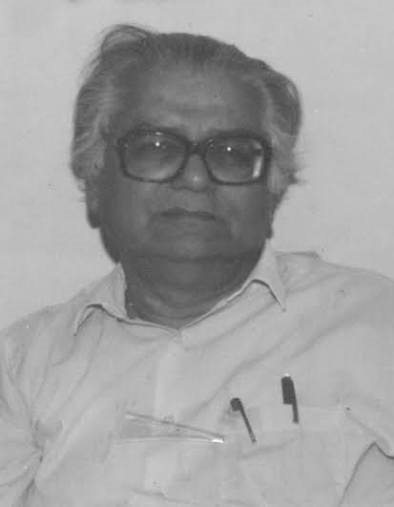
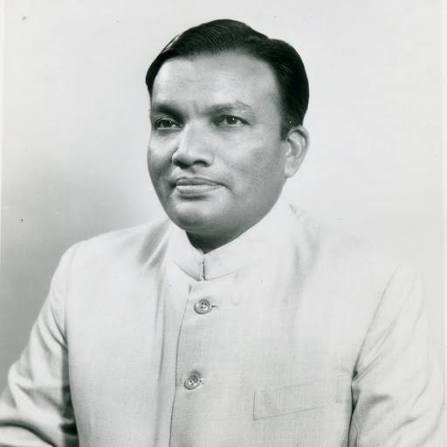
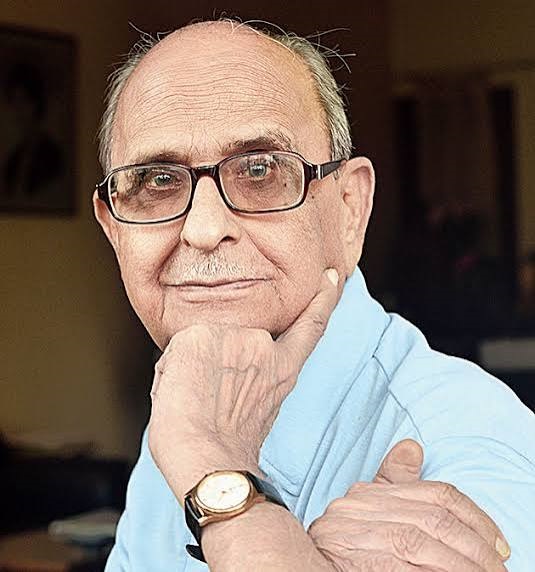
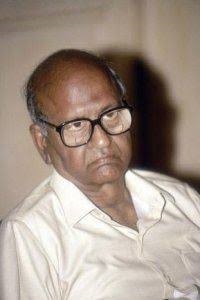
Girilal Jain was one of modern India’s most formidable, intellectual, and influential journalists. Best known for his tenure as the Editor-in-Chief of The Times of India from 1978 to 1988, he was an original thinker on public affairs, a keen observer of geopolitical shifts, and a profound voice on Indian political and civilizational identity. Over a career spanning four decades, Jain shaped mainstream political discourse and left an indelible stamp on Indian journalism.
2. Quick Facts
- Full Name: Girilal Jain
- Native Name: गिरिलाल जैन
- Date of Birth: 1924
- Place of Birth: Piplikhera village, Sonipat district, Punjab Province, British Raj (present-day Haryana, India)
- Nationality: Indian
- Occupation / Profession: Journalist, Editor, Author, Columnist
- Field of Achievement: Print Journalism, Editorial Leadership, and Political Commentary
- Years Active: 1948 – 1993
3. Award Information (Focus: Padma Bhushan, 1989)
- Award Name: Padma Bhushan
- Award Category: India’s Third-Highest Civilian Award
- Award Year: 1989
- Presented By: The President of India
- Date of Ceremony: March/April 1989 (Rashtrapati Bhavan, New Delhi)
- Citation / Official Reason: In recognition of his distinguished service to literature, education, and journalism, and for his authoritative voice in shaping independent India’s national narrative.
- Previous Recipients (Contextual): Prominent public intellectuals, artists, and leaders from preceding years.
- Next Recipients (Contextual): Distinguished achievers of the subsequent national honors cycle.
4. Why He Received the Award
Girilal Jain was awarded the Padma Bhushan for his lifetime of intellectual rigor and editorial leadership. As the head of The Times of India, he raised the standard of political commentary, foreign policy analysis, and domestic critique. His writings provided deep historical and philosophical context to contemporary political events, making him a pillar of Indian print media.
5. Early Life
Born in 1924 in Piplikhera (now in the Sonipat district of Haryana), Jain grew up during a turbulent era of the Indian freedom struggle. His early environment instilled in him a deep curiosity about history, society, and governance. This formative background laid the groundwork for his lifelong passion for political philosophy and public affairs.
6. Education
- Schooling: Completed his early education locally in British India.
- Higher Education: Earned a Bachelor’s degree in History from Hindu College, University of Delhi, which deeply sharpened his historical perspective and contextual analysis of modern developments.
7. Career Journey
- 1948: Began his career in journalism with the News Chronicle.
- 1950: Joined The Times of India as a sub-editor, quickly demonstrating his sharp analytical skills.
- 1958: Promoted to Chief Reporter; later served as a foreign correspondent stationed in key global outposts like Karachi and London.
- 1978 – 1988: Served as the Editor-in-Chief of The Times of India, steering the publication through critical decades of Indian politics, including the Emergency, the Punjab crisis, and the rise of coalition politics.
- Post-1988: Remained active as a prolific columnist and author until his passing in 1993.
8. Major Achievements
- Editorial Giant: Successfully directed India’s largest-circulating daily during a decade of intense political upheaval, maintaining high intellectual rigor.
- Foreign Policy Expert: Authored authoritative analyses on the Cold War, the US-Soviet-China strategic triangle, and Indo-Soviet relations.
- Literary Contributions: Authored influential books examining Indian civilizational consciousness, including The Hindu Phenomenon.
9. Contribution to the Nation
Jain’s contributions extended far beyond reporting news; he helped frame the ideological vocabulary of modern India. He offered sharp critiques of state policy while simultaneously defending national integration against secessionist threats. Through his columns and editorial policies, he challenged prevailing intellectual orthodoxies and forced a serious national debate on secularism, minority rights, and the civilizational roots of the Indian state.
10. Other Awards and Honours
- Padma Bhushan (Government of India, 1989)
- Widely commemorated across Indian journalistic circles as an “institution” that left an indelible mark on independent India’s press.
11. Legacy and Influence
Girilal Jain is remembered as an intellectual heavyweight who refused to pander to popular political trends. His shift in later years toward a more assertive articulation of Hindu civilizational identity heavily influenced contemporary right-of-centre discourse in India. His journalistic legacy is also carried forward by his family, including his historian daughter Meenakshi Jain and late son Sunil Jain, who was the managing editor of The Financial Express.
12. Interesting Facts
- Academic Household: Journalism and history ran deep in the family; his daughter Dr. Meenakshi Jain is a well-known historian, and his son Sunil Jain was a prominent financial journalist.
- Fearless Polemicist: Known for his sharp, uncompromising prose style, Jain never hesitated to take controversial or contrarian stances on complex socio-religious matters.
13. Quotes
“The essential spirit of Hinduism was inclusivist, and not exclusivist, by definition. Such a spirit must seek to abolish and not build boundaries.” — Girilal Jain
“A brilliant writer and original thinker on public affairs… one of the great editors and journalists of Independent India.” — Tributes on his passing
14. Timeline
- 1924: Born in Piplikhera, Punjab Province, British India.
- 1948: Enters journalism with the News Chronicle.
- 1950: Joins The Times of India as a sub-editor.
- 1958: Becomes Chief Reporter; later serves as foreign correspondent in Karachi and London.
- 1978: Takes over as Editor of The Times of India.
- 1988: Steps down as editor.
- 1989: Conferred the Padma Bhushan by the Government of India.
- 1993: Passes away on July 19 at the age of 69.
15. References
- The Times of India Archives.
- The Hindu Phenomenon by Girilal Jain (ISBN 81-86112-32-4).
- Government of India – Padma Awards Directory.
- Biographical archives from the Girilal Jain Memorial Trust.
16. Related Personalities
- Khushwant Singh (Prominent contemporary Indian journalist and author)
- Meenakshi Jain (Historian and daughter of Girilal Jain)
- Sunil Jain (Financial journalist and son of Girilal Jain)
- Indira Gandhi (Former Prime Minister of India, whose governance he extensively analyzed and critiqued/backed)
17. Frequently Asked Questions (FAQ)
Q1: What is Girilal Jain best known for?
A: He is best known for serving as the Editor-in-Chief of The Times of India from 1978 to 1988 and for his profound political, foreign policy, and civilizational commentary.
Q2: When did Girilal Jain receive the Padma Bhushan?
A: He was awarded the Padma Bhushan by the Government of India in 1989.
Q3: Which academic background did he come from?
A: He earned a Bachelor’s degree in History from Hindu College, University of Delhi.
About the Author