

1. Introduction
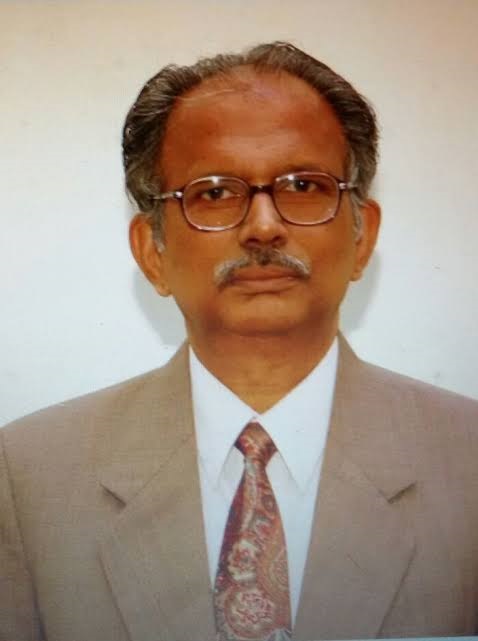
Dr. George Joseph (born 4 August 1938) is one of India’s most distinguished space scientists, widely hailed as the pioneer of satellite-based earth observation technology in India. From designing novel detectors for India’s maiden satellite Aryabhata to spearheading the development of indigenous cameras for the IRS (Indian Remote Sensing) and INSAT series, Dr. Joseph played a monumental role in shaping ISRO’s remote sensing capabilities. As a visionary researcher, former Director of the Space Applications Centre (SAC), and Chairman of scientific advisory boards for historic missions like Chandrayaan-1, his contributions have provided critical data empowering India’s agriculture, resource management, and meteorological forecasting.
2. Quick Facts
- Full Name: George Joseph
- Native Name: ജോർജ് ജോസഫ് (Malayalam)
- Date of Birth: 4 August 1938
- Place of Birth: Chengannur, Madras Presidency, British India (now Kerala, India)
- Nationality: Indian
- Occupation / Profession: Space Scientist, Physicist, Academic Administrator
- Field of Achievement: Satellite Imaging Sensors, Remote Sensing, Space Instrumentation
- Years Active: 1959–Present
3. Award Information (Padma Bhushan)
- Award Name: Padma Bhushan
- Award Category: Science and Engineering (Third-highest civilian award in India)
- Award Year: 1999
- Presented By: The President of India
- Date of Ceremony: March/April 1999 (Rashtrapati Bhavan, New Delhi)
- Citation / Official Reason: In recognition of his pioneering services, extraordinary contributions to the Indian space programme in the area of earth observation technology, and distinguished leadership in aerospace research.
- Previous Recipients (Contextual): Celebrated Indian physicists, space scientists, and technologists.
- Next Recipients: Succeeding national luminaries in science and engineering.
4. Why He Received the Award
Dr. George Joseph received the Padma Bhushan and other prestigious honors—including the Shanti Swarup Bhatnagar-level recognitions and the Aryabhata Award (2007)—because he laid the foundational electro-optical and sensor architecture for India’s space program. Before his leadership at the Space Applications Centre (SAC), India relied heavily on foreign data for remote sensing. Under his guidance, ISRO designed and launched sophisticated indigenous cameras capable of monitoring earth resources, weather patterns, and crop yields, catapulting India into global leadership in space-based earth observation.
5. Early Life
Born on August 4, 1938, in Chengannur, Kerala, into a family valuing education and public service (his father M.G. Joseph was an advocate), George Joseph grew up deeply curious about the physical sciences. His formative years in pre-independence and early post-independence Kerala instilled in him a strong academic discipline, paving the way for advanced scientific research.
6. Education
- Undergraduate & Master’s Studies: Completed his schooling and pursued higher education, earning his Master of Science (M.Sc.) degree in Physics from University College, Trivandrum.
- Early Teaching Stint: Served as a Lecturer in Physics at Union Christian College, Aluva, and CMS College, Kottayam.
- BARC Training: Trained at the prestigious Bhabha Atomic Research Centre (BARC) School of Physics, Mumbai.
- Doctoral Research: Conducted intensive research in cosmic rays and space physics at the Tata Institute of Fundamental Research (TIFR), Bombay, earning his Ph.D. from the University of Bombay.
7. Career Journey
- TIFR Research Years (1962–1973): Worked as a Research Associate and Fellow at TIFR, investigating cosmic rays and building high-altitude balloon instrumentation.
- Joining ISRO & SAC (1973–1998): Transitioned to the newly formed Space Applications Centre (SAC) in Ahmedabad under ISRO, where he built and led the Sensor Development Division.
- Directorship of SAC (1994–1998): Served as the Director of the Space Applications Centre, guiding major payloads for INSAT and IRS satellites.
- Distinguished Professor & Advisor (1998–Present): Served in apex advisory roles, including Satish Dhawan Distinguished Professor, Chairman of the Science Advisory Board for Chandrayaan-1, and Director of the UN-affiliated Centre for Space Science and Technology Education in Asia and the Pacific (CSSTEAP).
8. Major Achievements
- Payload for Aryabhata: Designed a novel detector system flown on India’s first satellite Aryabhata to detect solar neutrons.
- Pioneering Earth Observation Cameras: Spearheaded the development of India’s first multi-spectral cameras for Bhaskara satellites, evolving into advanced Very High-Resolution Radiometers (VHRR) for INSAT and high-resolution cameras for the IRS series.
- Chairing Chandrayaan-1 Science Advisory Board: Guided the scientific parameters and payload integration for India’s historic maiden lunar mission.
9. Contribution to the Nation
Dr. Joseph’s technological innovations directly enabled India to leverage space technology for socio-economic development. The earth observation cameras developed under his leadership provide vital inputs for weather forecasting, cyclone tracking, groundwater targeting, mineral prospecting, and agricultural crop estimation, cementing India’s self-reliance in operational space applications.
10. Other Awards and Honours
- Padma Bhushan (1999): Conferred by the Government of India.
- Aryabhata Award (2007): Awarded by the Astronautical Society of India for lifetime contributions to astronautics.
- ISRO Outstanding Achievement Award (2008) & TIFR Alumni Association Excellence Award (2009).
- Fellowships: Elected Fellow of the Indian Academy of Sciences (FASc), National Academy of Sciences India (FNASc), Indian National Academy of Engineering (FNAE), and the Indian Geophysical Union.
11. Legacy and Influence
Dr. George Joseph is remembered as the quintessential “instrumentation master” of India’s space program. His meticulous approach to engineering reliable space-hardware, combined with his dedication to teaching and mentoring young scientists, created a self-sustaining ecosystem of optical design and remote sensing expertise in India.
12. Interesting Facts
- From Cosmic Rays to Earth Observation: His early scientific career at TIFR focused on high-energy cosmic rays using balloons, which gave him the rigorous foundation in sensor design that he later adapted seamlessly for satellite payloads.
- Prolific Author: Authored standard reference texts, including Fundamentals of Remote Sensing and Building Earth Observation Cameras, which are widely used by university students and space engineers.
- Active Post-Retirement Mentorship: Even after stepping down from active administrative posts, he continued guiding national scientific committees and teaching atmospheric and space sciences.
13. Quotes
“Space technology is not merely about reaching the stars; it is an essential lens to understand, protect, and manage the finite resources of our home planet.” — Dr. George Joseph
14. Timeline
- 1938: Born on August 4 in Chengannur, Kerala
- 1959–1961: Served as Lecturer in Physics at Union Christian College, Aluva
- 1962–1973: Conducted atmospheric and cosmic ray research at TIFR, Bombay
- 1975: Headed the Sensor Development Division at the Space Applications Centre (SAC), Ahmedabad
- 1994–1998: Served as Director of the Space Applications Centre (SAC)
- 1999: Conferred the Padma Bhushan by the President of India
- 2004–2008: Chaired the Science Advisory Board for Chandrayaan-1
- 2006–2009: Served as Director of CSSTEAP (UN-affiliated center)
15. References
- Wikipedia contributors. George Joseph (scientist). Wikipedia, The Free Encyclopedia.
- Indian Academy of Sciences. Fellow Profile – Prof. George Joseph.
- Prof. George Joseph Official Academic Archive. Biography and Career Milestones.
- Space Applications Centre (SAC) Archives. History of Earth Observation Sensors in ISRO.
16. Related Personalities
- Prof. Satish Dhawan: Legendary aerospace engineer and former ISRO Chairman under whose leadership India’s remote sensing and satellite programs expanded rapidly.
- Dr. K. Kasturirangan: Eminent space scientist and former ISRO Chairman who worked closely with Dr. Joseph on satellite imaging missions.
17. Frequently Asked Questions (FAQ)
- Q: Who is Dr. George Joseph?A: Dr. George Joseph is a pioneering Indian space scientist renowned for his foundational contributions to satellite-based earth observation sensors and remote sensing technology at ISRO.
- Q: What was his key contribution to ISRO?A: He led the design and development of India’s first indigenous remote sensing cameras and satellite payloads, including detectors for Aryabhata and advanced sensors for the IRS and INSAT series.
- Q: What major awards has he received?A: He was awarded the Padma Bhushan in 1999 and the Aryabhata Award in 2007.
About the Author




