
Introduction
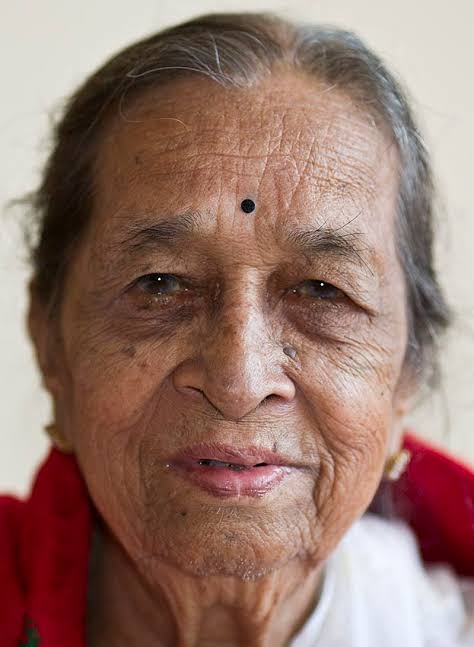
Gangubai Hangal was one of India’s most celebrated Hindustani classical vocalists and a leading exponent of the Kirana Gharana. Known for her deep, powerful voice and soulful renditions of ragas, she broke social barriers and earned immense respect in the world of Indian classical music. Through decades of dedication, she became an inspiration to aspiring musicians and music lovers alike. In recognition of her exceptional contribution to Indian classical music, the Government of India honored her with the Padma Vibhushan.
Early Life
Gangubai Hangal was born into a musically inclined family in Dharwad, Karnataka. Her mother, Ambabai Hangal, was a Carnatic musician who recognized her daughter’s talent at an early age.
Despite facing financial hardship and social discrimination due to her background, Gangubai remained determined to pursue music. She later received advanced training in Hindustani classical music under Sawai Gandharva, one of the most respected gurus of the Kirana Gharana.
Birth Date and Death
- Full Name: Gangubai Hangal
- Date of Birth: 5 March 1913
- Place of Birth: Dharwad, Karnataka, India
- Date of Death: 21 July 2009
- Place of Death: Hubballi (Hubli), Karnataka, India
- Age at Death: 96 years
Education and Career
Education
Gangubai Hangal received her early education in Dharwad. Alongside her schooling, she underwent rigorous training in music from her mother and later from her guru, Sawai Gandharva. Her education in classical music followed the traditional guru-shishya system.
Career
Gangubai Hangal began performing at a young age and gradually established herself as one of India’s finest classical vocalists.
During her long career, she:
- Performed at prestigious music festivals across India.
- Became one of the leading artists of the Kirana Gharana.
- Recorded numerous classical music albums.
- Mentored young musicians.
- Served as a professor and promoted music education.
Her performances were admired for their emotional depth, technical brilliance, and powerful voice.
Why Did She Receive the Padma Vibhushan Award?
Gangubai Hangal was awarded the Padma Vibhushan in 2002 for her outstanding contribution to Hindustani classical music.
She received this prestigious honour because she:
- Dedicated over seven decades to Indian classical music.
- Popularized the Kirana Gharana across India and internationally.
- Preserved India’s rich musical traditions.
- Inspired generations of musicians through her performances and teaching.
- Overcame social barriers and became one of India’s greatest female classical vocalists.
Her lifelong commitment to music made her a national cultural icon.
Career and Achievements
Gangubai Hangal enjoyed an extraordinary musical career spanning more than seventy years.
Some of her major achievements include:
- Became one of the foremost vocalists of the Kirana Gharana.
- Performed at leading classical music festivals throughout India.
- Recorded numerous acclaimed classical albums.
- Served as a music educator and mentor.
- Inspired women to pursue careers in Indian classical music.
- Received national and international recognition for her contributions.
Her performances continue to be admired by students and lovers of classical music.
Field of Achievement
Gangubai Hangal’s primary fields of achievement include:
- Hindustani Classical Vocal Music
- Kirana Gharana
- Khayal Singing
- Classical Music Education
- Cultural Preservation
- Indian Performing Arts
Awards and Honours
Gangubai Hangal received numerous prestigious awards throughout her lifetime.
Some of the major honours include:
- Padma Bhushan (1971)
- Padma Vibhushan (2002)
- Sangeet Natak Akademi Award (1973)
- Sangeet Natak Akademi Fellowship (1996)
- Karnataka Rajyotsava Award
- Tansen Award
- Honorary doctorates from universities
Interesting Facts
- She was one of the first women with a deep, powerful voice to achieve widespread acclaim in Hindustani classical music.
- She trained under the legendary Sawai Gandharva, who also taught Bhimsen Joshi.
- She overcame social discrimination and financial challenges to become a musical icon.
- She remained active in music well into her 90s.
- The Karnataka State Dr. Gangubai Hangal Music and Performing Arts University was named in her honour.
Legacy and Inspiration
Gangubai Hangal’s legacy lives on through her recordings, disciples, and the countless musicians she inspired. Her determination, discipline, and devotion to classical music demonstrated that talent and perseverance can overcome social and economic barriers.
She remains a role model for aspiring artists, particularly women, who seek to excel in Indian classical music while preserving its rich traditions.
Contribution to the Nation
Gangubai Hangal made invaluable contributions to India’s cultural heritage.
Her contributions include:
- Preserving and promoting Hindustani classical music.
- Popularizing the Kirana Gharana across generations.
- Mentoring young musicians and music students.
- Representing India’s cultural traditions through concerts and performances.
- Inspiring women to pursue careers in classical music.
- Strengthening India’s reputation as a nation rich in musical heritage.
Her dedication enriched India’s artistic legacy and inspired audiences worldwide.
Conclusion
Gangubai Hangal was one of the greatest voices in the history of Hindustani classical music. Her remarkable journey from humble beginnings to becoming a nationally celebrated artist is a story of determination, resilience, and artistic excellence. Through her unforgettable performances, commitment to preserving the Kirana Gharana, and dedication to teaching future generations, she made an enduring contribution to India’s cultural heritage. The Padma Vibhushan recognized her extraordinary service to Indian music, and her legacy continues to inspire musicians and music lovers across the world.
About the Author