1. Introduction
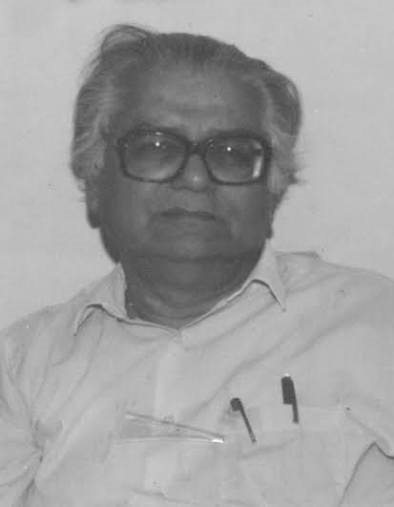
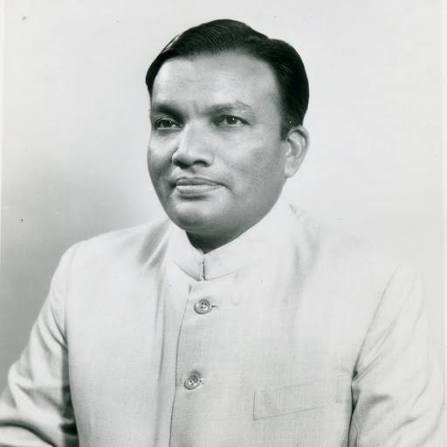
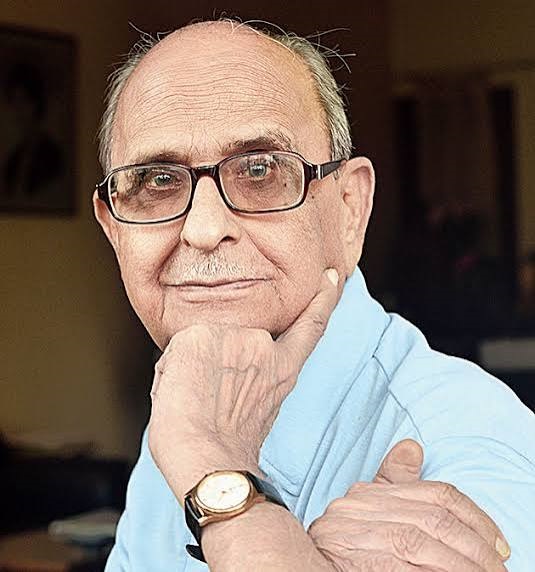
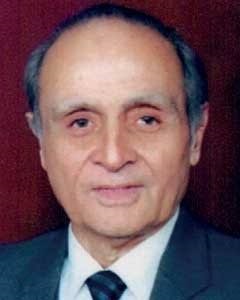
Dr. Syed Zahoor Qasim (31 December 1926 – 20 October 2015) was a legendary Indian marine biologist, environmentalist, and administrator, widely celebrated as the “Ocean Man of India” and the “Antarctica Hero.” He is best remembered for leading India’s pioneering first scientific expedition to Antarctica in 1981 and successfully overseeing the country’s early polar research missions. Beyond oceanography, his lifelong dedication to science policy, environmental management, and education left an indelible mark on modern India.
2. Quick Facts
- Full Name: Dr. Syed Zahoor Qasim
- Native Name: سيد ظهور قاسم (Urdu) / सैयद ज़हूर कासिम (Hindi)
- Date of birth: 31 December 1926
- Place Of birth: Rakswara Gram, Allahabad (present-day Kaushambi), Uttar Pradesh, British India
- Nationality: Indian
- Occupation/Profession: Marine Biologist, Civil Servant, and Academic
- Field of Achievement: Marine Biology, Oceanography, and Polar Exploration
- Years Active: Late 1940s – 2015
3. Award Information
- Award Name: Padma Bhushan
- Award Category: Civil Honour (Third-Highest Civilian Award in India)
- Award Year: 1982
- Presented By: Government of India
- Date of Ceremony: January 26, 1982 (Republic Day)
- Citation/Official Reason: For distinguished services and pioneering contributions to science, specifically marine biology and environmental administration.
- Previous Recipients: Eminent personalities across arts, literature, public affairs, and sciences.
- Next Recipients: Subsequent annual batches of Padma Bhushan awardees.
4. Why He Received the Award
Dr. Qasim was awarded the Padma Bhushan in recognition of his phenomenal role in establishing India’s footprint in marine research and polar exploration. As the leader of India’s historic first expedition to Antarctica in December 1981, and subsequently heading the Department of Ocean Development, he placed India on the global oceanographic map and fundamentally shaped national environmental policy.
5. Early Life
Born into a family with historical lineage in Kaushambi, Dr. Qasim grew up in Uttar Pradesh during the pre-independence era. Deeply curious about nature from a young age, he cultivated an academic focus early on. Despite coming from a time of limited scientific infrastructure in India, his drive for higher learning propelled him toward biological sciences.
6. Education
- Schooling: Majidiya Islamiya Intermediate College, Allahabad.
- Undergraduate & Postgraduate: Aligarh Muslim University (AMU), where he earned his Bachelor of Science (B.Sc.) in 1949 and a Master of Science (M.Sc.) in Zoology in 1951, standing first in order of merit and winning the University Gold Medal.
- Doctorate: Proceeded to the United Kingdom, earning his Ph.D. and Doctor of Science (D.Sc.) degrees from the University College of North Wales in 1956.
7. Career Journey
- Academic Roots: Began his career as a lecturer in Zoology/Geography at Aligarh Muslim University, later establishing a specialized Fish and Fisheries laboratory.
- Research Leadership: Served as the Director of the Central Marine Fisheries Research Institute (CMFRI) in Kochi (1971–1974) and later directed the National Institute of Oceanography (NIO).
- Government & Policy: Appointed as the first Secretary of the newly formed Department of Environment (1981) and subsequently the Secretary of the Department of Ocean Development (1982).
- Higher Education Administration: Served as the Vice-Chancellor of Jamia Millia Islamia from 1989 to 1991.
- National Planning: Served as a Member of the Planning Commission of India from 1991 to 1996.
8. Major Achievements
- Antarctic Pioneer: Personally planned, organized, and led India’s maiden Antarctic expedition in 1981, followed by successfully guiding the next seven consecutive polar missions up to 1988.
- Institutional Builder: Instrumental in setting up key administrative frameworks for environmental protection and ocean research in India.
- Literary & Scientific Output: Authored numerous research papers and authoritative books on marine life, estuaries, and environmental science.
9. Contribution to the Nation
Dr. Qasim transformed India from an oceanic onlooker into an active polar power. By unlocking the vast potential of marine resources and building scientific stations in Antarctica, he expanded the nation’s strategic and scientific horizons. Furthermore, his administrative leadership in the Planning Commission and Ministry of Environment helped integrate sustainable ecological thinking into national development plans.
10. Other Awards and Honours
- Padma Shri (1974) — Government of India
- Rafi Ahmed Kidwai Award (1978)
- Lal Bahadur Shastri National Award (1988)
- Oceanology International Lifetime Achievement Award, UK (1999)
- First National Ocean Science and Technology Award by the Government of India (2003–04)
- Lifetime Achievement Award from the Indian Science Congress (2008)
11. Legacy and Influence
Dr. Qasim is remembered as the patriarch of Indian oceanography. His ability to blend rigorous scientific fieldwork with high-level bureaucratic execution enabled India to fast-track its polar and marine programs. Universities and research institutes across India continue to honor his legacy through lectures, scholarships, and fellowships dedicated to marine ecological research.
12. Interesting Facts
- The Antarctica Flag-Bearer: He was instrumental in ensuring India planted its flag on the frozen continent, making India one of the select few nations at the time with an active Antarctic program.
- Multifaceted Academic: Besides holding high public offices, he was an honorary professor at prestigious institutions like IIT Madras, Anna University, and AMU.
- Prolonged Influence: He remained active in scientific advisory boards and trusts (such as the D. Swaminadhan Research Foundation) well into his later years.
13. Quotes
“The oceans hold the key to our future survival, offering infinite resources if we learn to harvest them sustainably rather than exploit them blindly.” — Dr. Syed Zahoor Qasim
14. Timeline
- 31 December 1926: Born in Rakswara, Uttar Pradesh.
- 1956: Completes Ph.D. and D.Sc. from the University College of North Wales.
- December 1981: Leads India’s first historic expedition to Antarctica.
- 1982: Awarded the Padma Bhushan by the Government of India.
- 1989–1991: Serves as Vice-Chancellor of Jamia Millia Islamia.
- 1991–1996: Serves as a Member of the Planning Commission of India.
- 20 October 2015: Passes away in New Delhi at the age of 88.
15. References
- Wikipedia contributors. Syed Zahoor Qasim. Wikipedia, The Free Encyclopedia.
- Ministry of Home Affairs, Government of India. Padma Awards Directory.
- The Indian Express – An ocean of experience and the will to be a pioneer (May 1999).
- Niyogi Books – Author Biography: Late Syed Zahoor Qasim.
16. Related Personalities
- Indira Gandhi (Prime Minister who heavily backed India’s early Antarctic missions)
- Dr. D. Swaminadhan (Colleague and founder of developmental research initiatives)
- Prof. Satish Dhawan (Pioneering space and science administrator of the era)
17. Frequently Asked Questions (FAQ)
- Q: Who was Dr. Syed Zahoor Qasim?A: He was a renowned Indian marine biologist and administrator who spearheaded India’s polar exploration framework.
- Q: Why is he called the “Antarctica Hero”?A: Because he successfully planned and led India’s first-ever scientific expedition to Antarctica in 1981, paving the way for permanent Indian research stations on the continent.
- Q: What major civilian awards did he receive?A: He was honored with both the Padma Shri (1974) and the Padma Bhushan (1982) by the Government of India.
About the Author