Early Life and Education
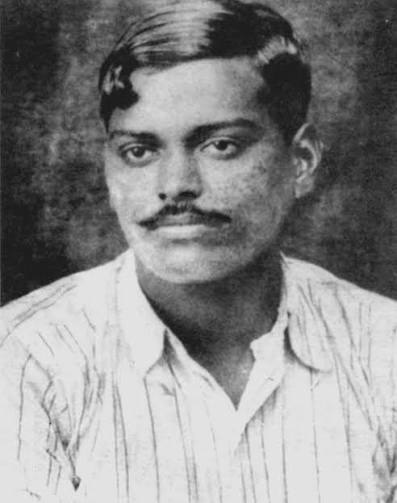
Chandrashekhar Azad was born as Chandrashekhar Tiwari on 23 July 1906 in Bhabra. His father, Sitaram Tiwari, and mother, Jagrani Devi, belonged to a modest Brahmin family.
He spent his childhood in a rural environment and received his early education in his village. Later, he moved to Varanasi, where he studied Sanskrit and traditional Indian scriptures. From a young age, he showed a strong interest in patriotism and resistance against British rule.
Education & Skills
Although Chandrashekhar Azad did not receive extensive formal education, he developed several important skills that made him a successful revolutionary leader.
Key Skills
- Leadership and organizational abilities.
- Expertise in guerrilla warfare tactics.
- Excellent marksmanship and weapons training.
- Physical fitness and endurance.
- Strategic planning and secret operations.
- Strong determination and courage.
These skills enabled him to lead revolutionary activities against the British government.
Contribution to Tamil Literature
Chandrashekhar Azad did not directly contribute to Tamil literature. However, his heroic life and sacrifice inspired many Tamil writers, poets, and historians. Numerous Tamil books, articles, poems, and biographies have been written about his revolutionary activities and patriotism. His story continues to inspire Tamil readers and students.
Role in India’s Freedom Movement
Chandrashekhar Azad was one of the most prominent revolutionary leaders in India’s struggle for independence.
Participation in the Non-Cooperation Movement
As a teenager, he joined the Non-Cooperation Movement launched by Mahatma Gandhi in 1921. When arrested by British authorities, he famously declared his name as “Azad” (Free), his father’s name as “Swatantrata” (Freedom), and his residence as “Jail.” From then on, he became known as Chandrashekhar Azad.
Revolutionary Activities
After the suspension of the Non-Cooperation Movement, Azad joined revolutionary organizations dedicated to armed resistance against British rule. He became a leading member of the Hindustan Socialist Republican Association (HSRA).
Association with Bhagat Singh
Azad worked closely with Bhagat Singh and other revolutionaries. He helped organize activities aimed at challenging British authority and inspiring nationalist sentiment.
Kakori and Other Revolutionary Actions
Following the Kakori Train Robbery, Azad played a crucial role in reorganizing revolutionary networks after many leaders were arrested.
Inspiration to Youth
His courage, discipline, and unwavering commitment to freedom made him a symbol of resistance and inspired countless young Indians to join the independence movement.
Personal Life
Chandrashekhar Azad remained unmarried throughout his life. He devoted himself entirely to the cause of Indian independence and lived much of his life in secrecy to avoid arrest.
He believed that personal comfort and family life should not interfere with the mission of liberating India from colonial rule.
Death
On 27 February 1931, Chandrashekhar Azad was surrounded by British police in Alfred Park (now Chandrashekhar Azad Park).
After a fierce gun battle, he chose to shoot himself with his last remaining bullet rather than surrender to the British. In doing so, he fulfilled his pledge that he would never be captured alive.
He was only 24 years old at the time of his death.
Conclusion
Chandrashekhar Azad was one of the bravest revolutionaries in India’s freedom struggle. His fearless resistance against British rule, leadership of revolutionary organizations, and unwavering commitment to independence made him a legendary figure in Indian history. Though he did not contribute directly to Tamil literature, his life has inspired generations of writers and patriots across India. His sacrifice and courage continue to serve as a powerful symbol of freedom, nationalism, and selfless dedication to the nation.
About the Author