

Introduction
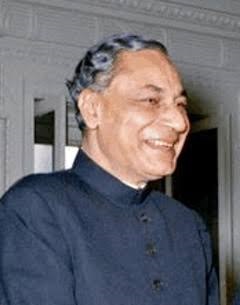
Braj Kumar Nehru was one of India’s most respected civil servants, diplomats, and constitutional administrators. During a career spanning more than five decades, he served in key positions including Ambassador to the United States, High Commissioner to the United Kingdom, and Governor of several Indian states. Known for his integrity, administrative excellence, and commitment to public service, he played an important role in strengthening India’s governance and international relations.
Early Life
Braj Kumar Nehru was born into the prominent Nehru family, which played a significant role in India’s freedom movement and political history. He was the cousin of Jawaharlal Nehru. From an early age, he displayed exceptional academic ability and pursued higher education in economics, preparing for a distinguished career in public administration.
Birth Date and Death
- Born: September 4, 1909
- Place of Birth: Allahabad (now Prayagraj), Uttar Pradesh, India
- Died: July 31, 2001
- Place of Death: Kasauli, Himachal Pradesh, India
- Age at Death: 91 years
Education and Career
Education
- Studied at prestigious schools in India and the United Kingdom.
- Graduated from Balliol College, University of Oxford with a degree in Economics.
- Qualified for the prestigious Indian Civil Service (ICS), one of the highest administrative services during British India.
Career
Braj Kumar Nehru joined the Indian Civil Service (ICS) in 1934 and continued serving independent India after 1947. Throughout his career, he held several important positions, including:
- Secretary in the Ministry of Finance.
- Executive Director at the World Bank.
- Ambassador of India to the United States.
- High Commissioner of India to the United Kingdom.
- Governor of Assam, Nagaland, Meghalaya, Jammu and Kashmir, and Gujarat.
His diplomatic skills and administrative expertise earned him widespread respect both in India and internationally.
Career and Achievements
1. Distinguished Civil Servant
Braj Kumar Nehru served India with distinction in the Indian Civil Service and later in independent India’s administrative system.
2. Diplomatic Leadership
As India’s Ambassador to the United States and High Commissioner to the United Kingdom, he strengthened India’s international relations during important periods of global diplomacy.
3. Financial Administration
He played a significant role in India’s economic administration and represented the country at the World Bank.
4. Constitutional Governance
As Governor of several states, he worked to uphold constitutional values, maintain political stability, and promote good governance.
5. Author and Thinker
Braj Kumar Nehru also wrote books and memoirs reflecting on public administration, diplomacy, and India’s political development.
Why Did Braj Kumar Nehru Receive the Padma Vibhushan Award?
Braj Kumar Nehru was awarded the Padma Vibhushan in 1999 for his exceptional and distinguished service in civil administration, diplomacy, and public affairs.
The honour recognized his:
- Outstanding contribution to India’s civil services.
- Excellence in diplomacy and international relations.
- Leadership in strengthening India’s financial administration.
- Dedicated service as Governor of several Indian states.
- Commitment to constitutional values, integrity, and public welfare.
Field of Achievement
Braj Kumar Nehru made significant contributions in:
- Civil Administration
- Diplomacy
- Public Affairs
- Governance
- Economic Administration
- International Relations
Awards and Honours
Braj Kumar Nehru received several honours during his distinguished career, including:
- Padma Vibhushan (1999) – India’s second-highest civilian honour for exceptional service in public affairs.
- Recognition from various national and international institutions for his contributions to diplomacy and governance.
- Respect and appreciation as one of India’s most accomplished civil servants and diplomats.
Interesting Facts
- Braj Kumar Nehru belonged to the famous Nehru family and was a cousin of Jawaharlal Nehru.
- He was educated at the University of Oxford before joining the Indian Civil Service.
- He represented India at the World Bank during an important phase of the country’s economic development.
- He served as Governor of five Indian states, one of the few administrators to hold such extensive gubernatorial responsibilities.
- He authored several books, including his memoir Nice Guys Finish Second, offering insights into Indian politics, diplomacy, and administration.
- He was widely admired for his professionalism, impartiality, and commitment to ethical governance.
Legacy and Inspiration
Braj Kumar Nehru’s legacy lies in his unwavering dedication to public service, constitutional governance, and diplomacy. His career demonstrates the importance of integrity, competence, and impartiality in administration. His work continues to inspire civil servants, diplomats, and students of public policy who aspire to serve the nation with honesty and excellence.
Contribution to the Nation
Braj Kumar Nehru made lasting contributions to India by:
- Strengthening the country’s civil administration.
- Representing India effectively in major international diplomatic assignments.
- Supporting India’s economic and financial development through his administrative leadership.
- Upholding constitutional principles while serving as Governor of multiple states.
- Promoting efficient, transparent, and ethical governance.
- Enhancing India’s reputation in global diplomatic and financial institutions.
Conclusion
Braj Kumar Nehru was a remarkable civil servant, diplomat, and statesman whose distinguished career left a lasting impact on India’s governance and international relations. His dedication to public service, administrative excellence, and constitutional values earned him the Padma Vibhushan, one of India’s highest civilian honours. His life serves as an enduring example of integrity, leadership, and selfless service, inspiring future generations to contribute to the nation’s progress through honest and effective public administration.
About the Author




