

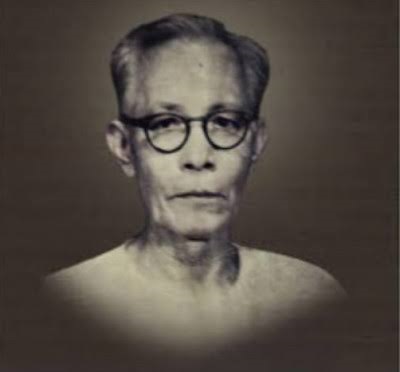
1. Introduction
Bijoy Chandra Bhagavati (1907–1997) was a towering political leader, freedom fighter, parliamentarian, and trade unionist from Assam. Revered for his Gandhian simplicity, moral integrity, and lifelong commitment to the upliftment of the working class and marginalized communities, Bhagavati served in various monumental legislative and administrative capacities, shaping both state politics and national policy in post-independence India.
2. Quick Facts
- Full Name: Bijoy Chandra Bhagavati
- Native Name: বিজয় চন্দ্ৰ ভাগৱতী (Assamese)
- Date of Birth: January 20, 1907
- Place of Birth: Sootea, Darrang district, Assam, British India
- Date of Death: May 10, 1997 (aged 90)
- Nationality: Indian
- Occupation / Profession: Freedom Fighter, Politician, Trade Unionist, Social Worker
- Field of Achievement: Indian Independence Movement, Parliamentary Politics, and Labour Welfare
- Years Active: c. 1920s – 1990s
3. Award Information (Focus: Padma Bhushan)
- Award Name: Padma Bhushan
- Award Category: Civil Honour (India’s third-highest civilian award)
- Award Year: 1992
- Presented By: The President of India
- Date of Ceremony: 1992 (Gazetted in 1992)
- Citation / Official Reason: For exceptional and distinguished service to the nation in the field of public affairs, social work, and legislative leadership.
- Previous Recipients: Eminent nation-builders, freedom fighters, and leaders of India.
- Next Recipients: Succeeding national civilian honorees.
4. Why They Received the Award
Bijoy Chandra Bhagavati received the Padma Bhushan in 1992 in recognition of his decades-long sacrifice during the Indian freedom struggle and his exceptional post-independence public service. As a veteran parliamentarian, a champion of trade union rights, and a dedicated leader who always prioritized public welfare over personal power, his entire life stood as a testament to Gandhian values and national integration.
5. Early Life
Born on January 20, 1907, in Sootea village of Assam’s Darrang district, Bhagavati grew up during the height of the Indian national movement. Deeply inspired by Mahatma Gandhi’s calls for Satyagraha and Swadeshi, he discarded a conventional path early in life to plunge into freedom struggles, organizing youth and peasants across Assam against British colonial policies.
6. Education
- Schooling & Early Studies: Completed his foundational education in Assam.
- Higher Education: Attended Cotton College, Guwahati, and subsequently pursued higher studies, equipping himself with the intellectual grounding necessary for both journalism and political organization.
7. Career Journey
- Freedom Struggle: Imprisoned multiple times by British authorities for his active participation in the Civil Disobedience and Quit India movements.
- Parliamentary Career: Served multiple terms as a Member of Parliament in both the Lok Sabha (lower house) and the Rajya Sabha (upper house), representing constituencies in Assam.
- Union Minister: Served as the Union Deputy Minister of Communications in the Government of India during the early 1960s.
- Trade Union Leadership: Led the Indian National Trade Union Congress (INTUC) in Assam and nationally, fighting vigorously for tea garden laborers, railway workers, and rural peasants.
- State Leadership: Served as the President of the Assam Pradesh Congress Committee (APCC) during critical decades.
8. Major Achievements
- Legislative Voice for the Northeast: Successfully brought regional developmental concerns and socio-economic challenges of Assam to the national spotlight in New Delhi.
- Labor Rights Pioneer: Authored and influenced critical labor welfare policies, championing better working conditions and wages for millions of unorganized and plantation workers.
- Literary Contributions: Authored insightful books and essays in Assamese reflecting on Gandhian philosophy, socialism, and the socio-political evolution of India.
9. Contribution to the Nation
Bhagavati’s contributions spanned both pre- and post-independent India. He was instrumental in integrating Assam’s distinct ethnic and labor communities into the broader national democratic framework. Known for his legendary honesty, he lived a remarkably austere lifestyle, refusing to use political office for personal accumulation—a standard of moral leadership that heavily influenced generations of Assamese politicians.
10. Other Awards and Honours
- Tamra Patra (Freedom Fighter Award): Conferred by the Government of India in recognition of his role in the freedom struggle.
- Padma Bhushan (1992) – India’s third-highest civilian honor.
- Various felicitations by labor organizations, literary societies, and socio-cultural institutions across Assam.
11. Legacy and Influence
Bijoy Chandra Bhagavati is remembered as an embodiment of uncompromised integrity and selfless public service. In an era where politics often grew transactional, Bhagavati remained a quintessential Gandhian socialist. His legacy is celebrated across Assam as a benchmark of clean politics, grassroots connection, and steadfast loyalty to the working class.
12. Interesting Facts
- The “Simple Living” Icon: He was widely known for his absolute simplicity, often traveling by public transport or simple means long after holding high ministerial office in New Delhi.
- Bridge Across Generations: Having worked closely with stalwarts like Gopinath Bordoloi, Jawaharlal Nehru, and Indira Gandhi, he served as a living bridge connecting Assam’s freedom-era history with modern democratic governance.
- Prolific Writer: Aside from politics, he maintained a deep passion for journalism and literature, editing journals and writing thought-provoking essays.
13. Quotes
“True democracy can only flourish when power is utilized not as a privilege, but as an instrument to serve the poorest and most voiceless worker.” — Bijoy Chandra Bhagavati
14. Timeline
- 1907: Born on January 20 in Sootea, Assam.
- 1930s–1940s: Actively participates in the Indian freedom movement, facing imprisonment under British rule.
- 1950s–1960s: Elected to Parliament and serves as Union Deputy Minister of Communications.
- 1970s: Leads major trade union bodies like INTUC, championing worker rights across Assam and India.
- 1992: Conferred India’s prestigious civilian honor, the Padma Bhushan.
- 1997: Passes away on May 10 at the age of 90, leaving behind a rich legacy of service.
15. References
- Wikipedia contributors. “Bijoy Chandra Bhagavati.” Wikipedia, The Free Encyclopedia.
- Parliament of India Lok Sabha Archives. “Members Profile: Bhagavati, Shri Bijoy Chandra”.
- AssamInfo. “Bijoy Chandra Bhagwati: Biography, Contributions, Political Career and Achievements”.
- Ministry of Home Affairs, Government of India. “Padma Awards Directory”.
16. Related Personalities
- Gopinath Bordoloi: First Premier of Assam and key freedom fighter with whom Bhagavati worked closely.
- Tarun Ram Phukan: Legendary Assamese nationalist leader and mentor to early freedom fighters.
- Fakhruddin Ali Ahmed: Former President of India and prominent contemporary leader from Assam.
17. Frequently Asked Questions (FAQ)
Q1: Who was Bijoy Chandra Bhagavati?
A: He was a veteran freedom fighter, parliamentarian, trade unionist, and senior political leader from Assam who played a vital role in both the Indian independence movement and post-independence governance.
Q2: What major national award did he receive?
A: He was awarded the prestigious Padma Bhushan in 1992 by the Government of India for his exceptional public service.
Q3: What was his primary focus in public life?
A: Aside from national politics, Bhagavati was deeply dedicated to labor welfare, serving as a prominent leader of INTUC and advocating passionately for tea garden and unorganized workers.
About the Author




