1. Introduction
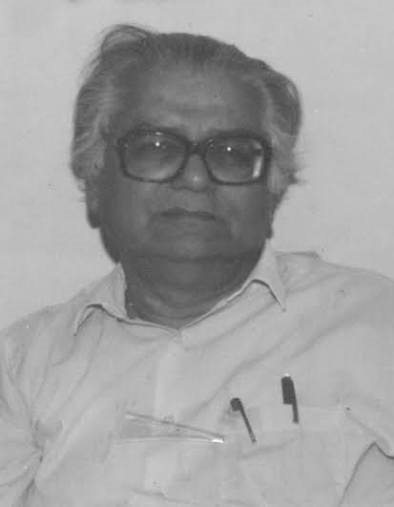
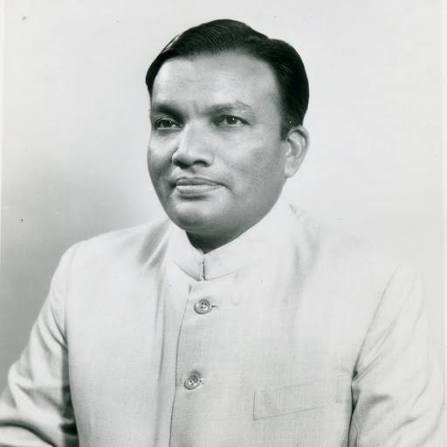
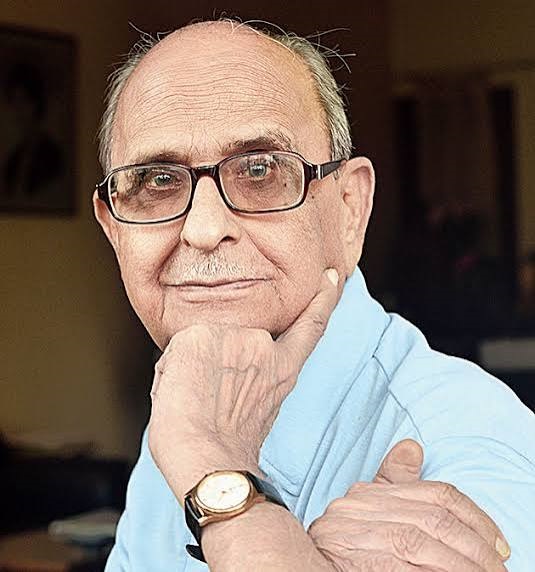
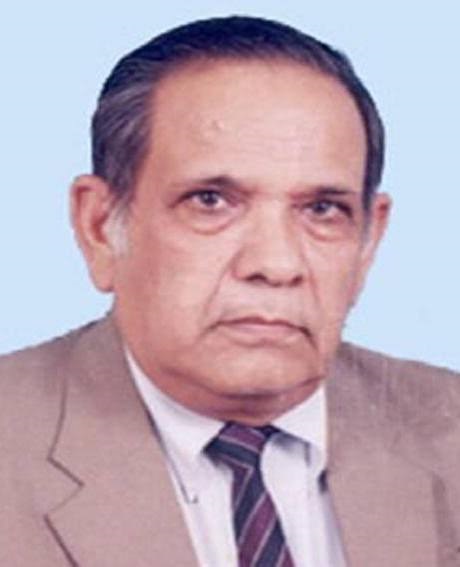
Dr. Badri Nath Tandon (1931–2018) was a legendary Indian gastroenterologist, hepatologist, and medical academic widely regarded as a foundational pillar of clinical gastroenterology and public health nutrition in India. Over a prolific career spanning decades at the All India Institute of Medical Sciences (AIIMS), New Delhi, Dr. Tandon placed tropical medicine on a global pedestal, pioneered research on liver ailments, and shaped foundational national child welfare policies like the Anganwadi (ICDS) program.
2. Quick Facts
- Full Name: Badri Nath Tandon
- Native Name: बद्री नाथ टंडन
- Date of Birth: 1 August 1931
- Place of Birth: India
- Nationality: Indian
- Occupation/Profession: Physician, Medical Academic, Gastroenterologist, Public Health Advocate
- Field of Achievement: Gastroenterology, Hepatology, Child Nutrition, and Public Health Policy
- Years Active: 1962–2018
3. Award Information (Focus: Padma Bhushan)
- Award Name: Padma Bhushan
- Award Category: Medicine / Public Service
- Award Year: 1986
- Presented By: The President of India
- Citation/Official Reason: Recognized for exceptional and distinguished service to the fields of medicine, medical research, and public healthcare infrastructure.
4. Why Did They Receive the Award?
Dr. B.N. Tandon received the Padma Bhushan—India’s third-highest civilian honor—for his extraordinary contributions to clinical medicine and public health. Beyond setting up premier gastroenterology departments, he played a vital national role as the founding chair of the technical committee for the Integrated Child Development Services (ICDS / Anganwadi) scheme, helping tackle widespread malnutrition among children and nursing mothers across India.
5. Early Life
Born into a Khatri family in August 1931, Dr. Tandon grew up during a transformative period in Indian history. Encouraged by his family to pursue academic excellence, he developed a deep-seated empathy for the underprivileged early on, which later dictated his dual passion for advanced clinical research and grassroots community health work.
6. Education
- Medical Graduation (MBBS): King George’s Medical College, Lucknow.
- Post-Graduation (MD): Completed his Doctor of Medicine in General Medicine from King George’s Medical College, Lucknow.
- Advanced Fellowships: Underwent specialized advanced training in Gastroenterology at Harvard Medical School, Boston, followed by focused research in Human Nutrition Science at the Massachusetts Institute of Technology (MIT), Cambridge.
7. Career Journey
- AIIMS Faculty (1962–1991): Joined the All India Institute of Medical Sciences (AIIMS) as a faculty member, eventually establishing and heading the Department of Gastroenterology and Human Nutrition Unit.
- ICDS Leadership (1975–1995): Chaired the technical committee of the newly introduced Integrated Child Development Services (Anganwadi) scheme from its inception.
- Post-Superannuation Practice: Served as Director and Senior Consultant in Hepatology and Gastroenterology at the Pushpawati Singhania Research Institute (PSRI), New Delhi, and later as Chairman at Metro Hospitals and Heart Institute, Noida.
8. Major Achievements
- Pioneering Gastroenterology: Credited with putting Indian gastroenterology on a formal, scientific pedestal, including creating post-doctoral DM training paths at AIIMS.
- Decoding Tropical Liver Diseases: Discovered that pyrrolizidine alkaloids present in jhunjhunia seeds caused veno-occlusive disease of the liver.
- Hepatitis Research: Contributed significantly toward the isolation of the Hepatitis E virus and established novel therapeutic protocols using herbal extracts for Hepatitis E and C.
9. Contribution to the Nation
Dr. Tandon fundamentally altered how India handled infant nutrition and public health crises. By designing and spearheading the technical framework of the Anganwadi/ICDS system, he built a nationwide safety net combating malnutrition for millions of children and mothers. Clinically, his research reduced the burden of complex tropical gut and liver pathologies, shaping national health guidelines.
10. Other Awards and Honours
- Sasakawa WHO Health Prize (1990): Awarded by the World Health Organization for outstanding health development work.
- Jubilee Medal of the Russian Academy of Medical Sciences (1995).
- Padma Bhushan (1986): Conferred by the Government of India.
- Lifetime Achievement Awards: Honored with lifetime achievement awards by the Indian Medical Association (IMA) and the Indian Society of Gastroenterology (ISG).
11. Legacy and Influence
Dr. Tandon is remembered by generations of doctors as a paragon of medical ethics, clinical rigour, and personal integrity. He authored over 225 research papers and foundational textbooks like the Textbook of Tropical Gastroenterology. Even in his late years, he quietly ran a charitable outpatient clinic in Mathura, staying true to his medical calling until his final days.
12. Interesting Facts
- He combined high-tech laboratory science with grassroots empathy: alongside heading premier departments at AIIMS, he ran a dedicated charitable clinic in Mathura.
- His epidemiological detective work successfully tracked down the exact food toxins responsible for mysterious outbreaks of liver failure in rural communities.
- He was a fellow across multiple prestigious institutions, including the Indian National Science Academy (INSA) and the National Academy of Medical Sciences.
13. Quotes
“Think whether the evidence is robust and whether it would benefit your patients… between reading a new idea and its application in your practice is the mandatory step of contemplation.” — Dr. B.N. Tandon (Recalled by his students and peers)
14. Timeline
- 1931: Born on August 1 in India.
- 1962: Joins the faculty at AIIMS, New Delhi, establishing its core gastroenterology foundation.
- 1975: Takes charge as the technical chair of the newly launched ICDS (Anganwadi) program.
- 1986: Awarded the Padma Bhushan by the Government of India.
- 1990: Receives the prestigious Sasakawa WHO Health Prize.
- 1991: Superannuates from AIIMS and transitions to private/charitable institutional leadership.
- 2018: Passes away on March 5 in New Delhi at the age of 86.
15. References
- Wikipedia & National Medical Journal of India (NMJS) Archives
- Ministry of Home Affairs, Government of India (Padma Awards Directory)
- World Health Organization (WHO) Sasakawa Prize records
- Biographical memoirs from the Indian National Science Academy (INSA)
16. Related Personalities
- Dr. V. Ramalingaswami (Renowned Indian pathologist and director of AIIMS)
- Dr. S.K. Sama (Pioneering Indian gastroenterologist and contemporary)
17. Frequently Asked Questions (FAQ)
- Q: What is Dr. B.N. Tandon best known for?A: He is best known for establishing clinical gastroenterology as an independent scientific discipline in India and chairing the technical committee of the nationwide ICDS (Anganwadi) child nutrition program.
- Q: Did he receive international recognition?A: Yes, he was awarded the prestigious Sasakawa WHO Health Prize by the World Health Organization in 1990.
- Q: When was he awarded the Padma Bhushan?A: He received the Padma Bhushan in 1986 from the Government of India.
About the Author