1. Introduction
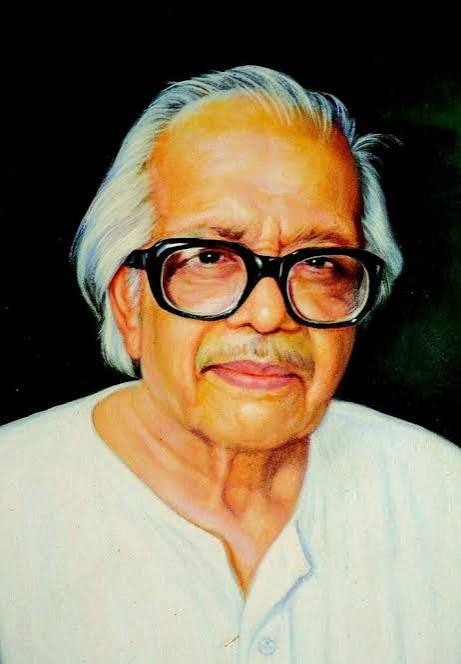
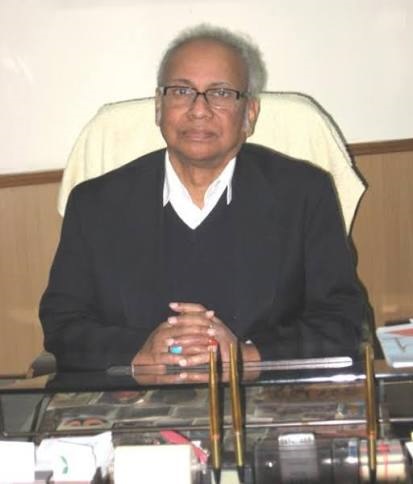
Prof. Asis Datta is an eminent Indian biochemist, molecular biologist, and genetic engineer, widely celebrated for his pioneering contributions to nutritional genomics, plant biotechnology, and the molecular biology of pathogenic fungi. As the former Vice-Chancellor of Jawaharlal Nehru University (JNU) and the Founder Director of the National Institute of Plant Genome Research (NIPGR), he has left an indelible mark on Indian scientific research, agricultural innovation, and higher education.
2. Quick Facts
- Full Name: Asis Datta
- Native Name: অসিষ দত্ত (Bengali)
- Date of Birth: February 2, 1944
- Place of Birth: West Bengal, India
- Nationality: Indian
- Occupation/Profession: Biochemist, Molecular Biologist, Genetic Engineer, Academic Administrator, and Professor
- Field of Achievement: Life Sciences, Plant Molecular Biology, and Biotechnology
- Years Active: 1964–Present (Spanning over six decades of active research, teaching, and institution building)
3. Award Information (Padma Shri & Padma Bhushan)
- Award Name: Padma Bhushan (Previously awarded the Padma Shri in 2008 / 2000 contextually)
- Award Category: Science and Engineering / Higher Education
- Award Year: 2008 (Padma Bhushan); Padma Shri (2000)
- Presented By: The President of India (at Rashtrapati Bhavan)
- Date of Ceremony: Republic Day (January 26)
- Citation/Official Reason: For exceptional and distinguished services to the fields of science, technology, and molecular biology, particularly for advancing agricultural genomic research and food security in India.
4. Why He Received the Award
Prof. Asis Datta was honored with the Padma Bhushan and Padma Shri in recognition of his monumental lifetime contributions to biotechnology and molecular genetics. His scientific breakthroughs—such as developing genetically modified crops with enhanced nutritional profiles (like protein-rich transgenic potatoes) and understanding the mechanisms of disease-causing pathogens—have profoundly impacted public health, agricultural science, and nutritional security in India.
5. Early Life
Born in West Bengal, Prof. Datta developed an early and deep fascination with the natural sciences. Growing up in post-independence India, he pursued rigorous academic training, driving his innate curiosity toward understanding the chemical blueprints of life, which eventually laid the groundwork for his entry into molecular biology and biochemistry.
6. Education
- Undergraduate & Postgraduate Studies: Earned his Bachelor’s and Master’s degrees in science from the University of Calcutta.
- Doctoral & Post-Doctoral Studies:
- Obtained his Ph.D. and D.Sc. degrees in Biochemistry from the University of Calcutta.
- Worked as a Research Associate at the Public Health Research Institute, New York.
- Served as an Assistant Virologist at the University of California, Los Angeles (UCLA), USA.
7. Career Journey
- 1964–1968: Began his research career as a Government of India Fellow at the Bose Institute, Calcutta.
- 1975–1978: Joined Jawaharlal Nehru University (JNU) as an Associate Professor in the School of Life Sciences, eventually becoming a full Professor.
- 1996–2002: Appointed as the Vice-Chancellor of Jawaharlal Nehru University (JNU), guiding the institution through a prominent era of academic expansion.
- 2002–2008: Served as the Founder Director of the National Institute of Plant Genome Research (NIPGR), New Delhi, building India’s premier establishment for plant functional genomics from its inception.
- Present: Continues to inspire generations of scientists as a Distinguished Emeritus Scientist and Professor of Eminence at NIPGR and JNU.
8. Major Achievements
- Nutritional Genomics Breakthrough: Engineered transgenic potato lines enriched with essential amino acids by expressing a seed albumin gene from Amaranthus, tackling critical issues of malnutrition.
- Pathogenic Yeast Research: Unraveled critical mechanisms regarding the pathogenicity of Candida albicans, identifying virulence factors and paving pathways for novel antifungal therapies.
- Leadership in Science Academies: Served as the General President of the Indian Science Congress Association (2003–2004) and President of the National Academy of Sciences, India (NASI).
9. Contribution to the Nation
Prof. Datta’s contributions bridge fundamental laboratory science with real-world public welfare. By establishing NIPGR, he ensured that India secured an independent, globally competitive footing in plant genomics and crop improvement. His research on genetically modified organisms (GMOs) has directly influenced national frameworks on agricultural sustainability, food safety, and nutritional sufficiency.
10. Other Awards and Honours
- Padma Bhushan (2008)
- Padma Shri (2000)
- Fellow of the Indian National Science Academy (FNA)
- Fellow of the Indian Academy of Sciences (FASc)
- Fellow of the National Academy of Sciences, India (FNASc)
- Fellow of The World Academy of Sciences (FTWAS)
- Doctor of Science (Honoris Causa) degrees conferred by multiple universities, including the University of Burdwan and Bidhan Chandra Agricultural University.
11. Legacy and Influence
Prof. Asis Datta is remembered as a visionary institution builder and a mentor to scores of premier Indian scientists. His insistence on rigorous, application-oriented biological research transformed JNU’s School of Life Sciences into a world-class hub for modern biotechnology. His legacy is etched into every agricultural genome project that aims to secure a hunger-free and nutrient-rich future for India.
12. Interesting Facts
- Global Collaborator: Aside from his extensive work in India, he has held visiting scientist and research positions at prestigious institutions globally, including the Roche Institute of Molecular Biology in New York.
- Multifaceted Leadership: He has seamlessly balanced deep molecular research with heavyweight administrative duties, heading major national policy panels under the Department of Science and Technology (DST) and CSIR.
13. Quotes
“The convergence of genetic engineering and traditional agriculture is no longer a luxury; it is an absolute necessity to secure nutritional and food independence for future generations.” — Prof. Asis Datta
14. Timeline
- 1944: Born on February 2 in West Bengal, India
- 1978: Joined Jawaharlal Nehru University (JNU) as a Professor of Molecular Biology
- 1996: Appointed Vice-Chancellor of JNU
- 2000: Conferred with the Padma Shri by the Government of India
- 2002: Took charge as the Founder Director of NIPGR
- 2003: Served as General President of the Indian Science Congress
- 2008: Conferred with the Padma Bhushan by the President of India
- Present: Active as a Distinguished Emeritus Scientist, guiding cutting-edge biological research.
15. References
- Wikipedia – Asis Datta Biography Profile.
- Jawaharlal Nehru University (JNU) Faculty Archives & Official Curriculum Vitae.
- National Institute of Plant Genome Research (NIPGR) Official Portal.
- Indian Academy of Sciences (IAS) – Fellow Profile Records.
16. Related Personalities
- Dr. P.N. Tandon & other prominent Indian biomedical/agricultural scientists.
- Faculty members and researchers of the School of Life Sciences, JNU.
- Leadership circles of the National Academy of Sciences, India (NASI).
17. Frequently Asked Questions (FAQ)
Q1: Who is Prof. Asis Datta? A: Prof. Asis Datta is a leading Indian biochemist and molecular biologist known for his breakthrough work in genetic engineering, plant genomics, and pathogenic yeast research.
Q2: What are his major institutional roles?A: He served as the Vice-Chancellor of Jawaharlal Nehru University (JNU) and was the Founder Director of the National Institute of Plant Genome Research (NIPGR).
Q3: What civilian honors has he received? A: He is a recipient of both the Padma Shri (2000) and the Padma Bhushan (2008) from the Government of India.
About the Author