1. Introduction
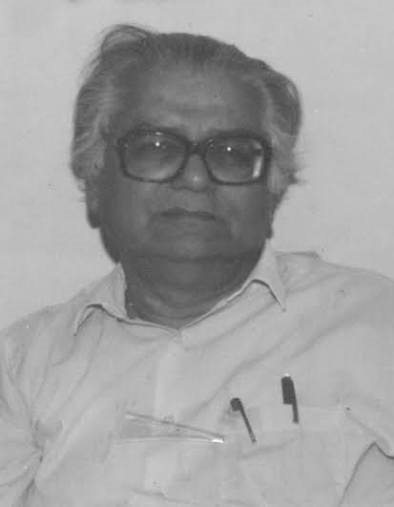
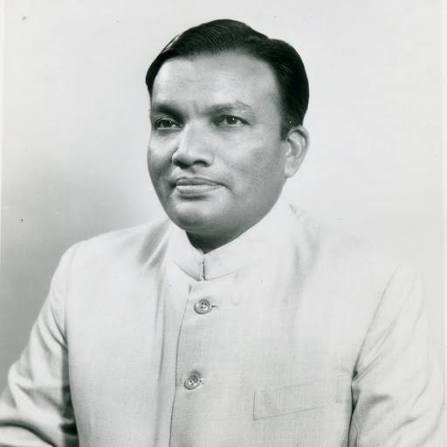
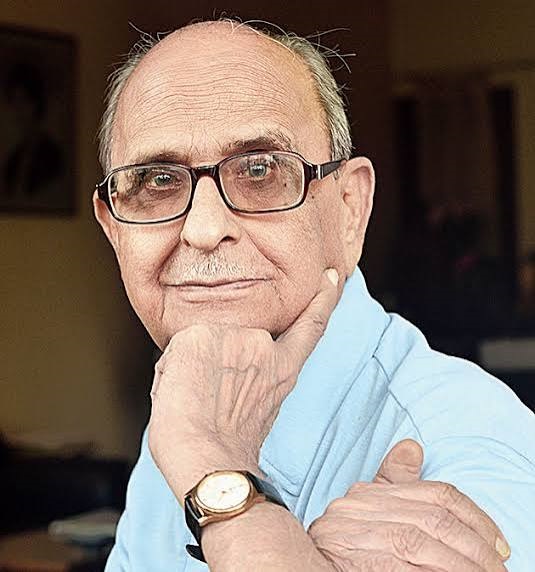
Asaf Ali Asghar Fyzee (1899–1981) was a distinguished Indian scholar, jurist, educator, diplomat, and author. He is best known for his pioneering work on Islamic law, particularly in the field of Muslim personal law in India. Fyzee combined traditional Islamic scholarship with modern legal thinking and played an important role in promoting legal education, comparative law, and international understanding through diplomacy.
2. Quick Facts
| Category | Details |
|---|---|
| Full Name | Asaf Ali Asghar Fyzee |
| Native Name | Asaf Ali Asghar Fyzee (commonly written in English; no widely used standardized native-script form) |
| Date of Birth | 10 April 1899 |
| Place of Birth | Bombay |
| Date of Death | 23 October 1981 |
| Nationality | Indian |
| Occupation / Profession | Jurist, Scholar, Professor, Diplomat, Author |
| Field of Achievement | Islamic Law, Legal Education, Comparative Law, Diplomacy |
| Years Active | 1920s–1981 |
3. Award Information
Asaf Ali Asghar Fyzee was widely respected for his scholarship and diplomatic service. However, there is no reliable evidence that he received a major national civilian award such as the Padma Awards or Bharat Ratna.
| Category | Details |
|---|---|
| Award Name | No major nationally documented civilian award |
| Award Category | — |
| Award Year | — |
| Presented By | — |
| Date of Ceremony | — |
| Citation / Official Reason | Not applicable |
| Previous Recipients | — |
| Next Recipients | — |
Instead of formal awards, his reputation was built through:
- International academic recognition
- Diplomatic appointments
- Prestigious university positions
- Scholarly contributions
4. Why Was He Recognized?
Although he did not receive a famous national civilian award, Fyzee earned recognition because he:
- Modernized the study of Islamic law.
- Explained Muslim personal law in a clear legal framework.
- Promoted harmony between Islamic jurisprudence and modern constitutional principles.
- Represented India abroad as a respected diplomat.
- Contributed significantly to legal education in India.
5. Early Life
Asaf Ali Asghar Fyzee was born on 10 April 1899 in Bombay (now Mumbai). He belonged to a well-educated and respected family. From a young age, he showed exceptional interest in literature, law, history, and languages.
Growing up during the Indian freedom movement, Fyzee developed an appreciation for education, social reform, and legal institutions.
6. Education
Fyzee received an excellent education.
His educational journey included:
- Schooling in Bombay.
- Higher education at University of Bombay.
- Advanced legal studies at University of Cambridge.
- Training in law at Lincoln’s Inn.
His studies exposed him to both Islamic jurisprudence and English common law, shaping his comparative legal approach.
7. Career Journey
Early Career
- Practiced law.
- Began teaching law.
- Developed expertise in Islamic jurisprudence.
Academic Career
He served as:
- Professor of Law
- Dean of Law
- Legal scholar
His lectures became highly respected among legal professionals and students.
Diplomatic Career
Fyzee represented India as Ambassador to:
- Egypt
He also strengthened India’s cultural and diplomatic ties with Middle Eastern countries.
Author
He wrote several influential books that remain important references in legal education.
8. Major Achievements
Some of his major achievements include:
- Pioneer in modern Islamic legal studies.
- Authority on Muslim Personal Law.
- Prominent comparative law scholar.
- Distinguished diplomat.
- Influential legal educator.
- Internationally respected academic.
- Promoted legal reforms through scholarly writing.
9. Contribution to the Nation
Fyzee contributed to India by:
- Improving legal education.
- Making Islamic law understandable to modern legal systems.
- Strengthening India’s diplomatic relations.
- Promoting constitutional values.
- Encouraging interfaith understanding.
- Representing Indian scholarship internationally.
10. Other Awards and Honours
Although no major civilian awards are documented, he received:
- International academic recognition.
- Invitations to deliver prestigious lectures.
- Membership in respected academic circles.
- Recognition as one of India’s foremost scholars of Islamic law.
11. Legacy and Influence
Asaf Ali Asghar Fyzee’s legacy continues through:
- Law schools teaching his books.
- Research on Muslim Personal Law.
- Comparative legal studies.
- Judicial references to his scholarly works.
- Influence on generations of lawyers and researchers.
His book Outlines of Muhammadan Law remains one of the most respected texts on Islamic law in India.
12. Interesting Facts
- He mastered both Western and Islamic legal traditions.
- He was also an accomplished diplomat.
- His books are still used in Indian universities.
- He promoted modernization without abandoning traditional legal principles.
- He believed legal systems should evolve with society.
13. Quotes
There are no widely verified famous quotations directly attributed to Asaf Ali Asghar Fyzee.
However, his writings consistently emphasized:
“Law should be understood through both history and contemporary social needs.”
(This is a summary of themes in his work rather than a verified direct quotation.)
14. Timeline
| Year | Event |
|---|---|
| 1899 | Born in Bombay |
| 1920s | Completed legal education |
| 1930s | Began academic career |
| 1940s | Published important legal works |
| 1950s | Served in diplomatic roles |
| 1960s | Continued legal scholarship and teaching |
| 1981 | Passed away |
15. References
For authoritative information, consult:
- Outlines of Muhammadan Law
- A Modern Approach to Islam
- University archives of the University of Bombay
- Biographical entries in legal encyclopedias and academic publications on Indian legal scholars.
- Government records on Indian diplomatic appointments.
16. Related Personalities
- B. R. Ambedkar
- M. C. Chagla
- Mohammad Hidayatullah
- Syed Mahmood
- Muhammad Iqbal (in the context of Islamic thought)
17. Frequently Asked Questions (FAQ)
Q1. Who was Asaf Ali Asghar Fyzee?
He was an Indian jurist, Islamic law scholar, diplomat, professor, and author known for his contributions to Muslim personal law and comparative legal studies.
Q2. What is Asaf Ali Asghar Fyzee famous for?
He is best known for his scholarship on Islamic law, particularly his book Outlines of Muhammadan Law.
Q3. Was Asaf Ali Asghar Fyzee a diplomat?
Yes. He served as India’s Ambassador to Egypt.
Q4. Did he receive the Padma Award?
There is no reliable evidence that he received a Padma Award or any other major Indian civilian honor.
Q5. What books did he write?
His notable works include Outlines of Muhammadan Law and A Modern Approach to Islam.
Q6. Why is he important?
He helped bridge classical Islamic jurisprudence with modern legal scholarship and made lasting contributions to legal education and diplomacy.
Q7. When was he born?
He was born on 10 April 1899 in Bombay (now Mumbai).
Q8. When did he die?
He passed away on 23 October 1981.
Q9. What was his profession?
He was a jurist, professor, author, and diplomat.
Q10. What is his legacy?
His legal writings continue to be used by students, lawyers, judges, and scholars studying Islamic law in India and beyond.
About the Author