1. Introduction
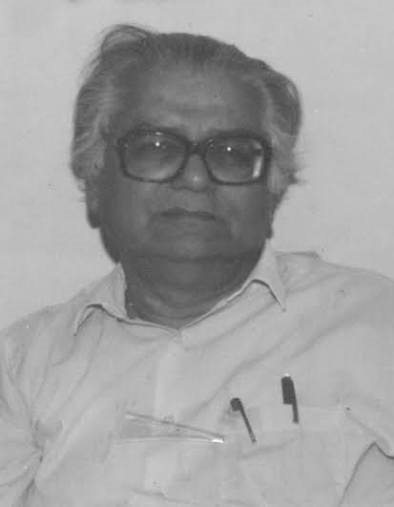
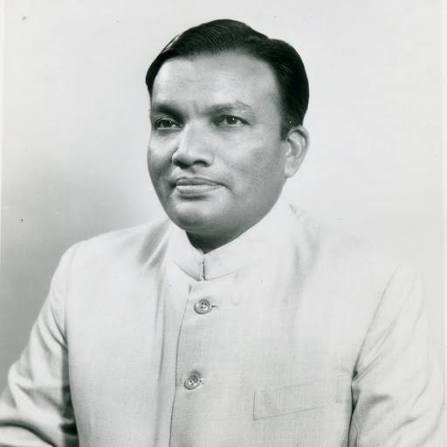
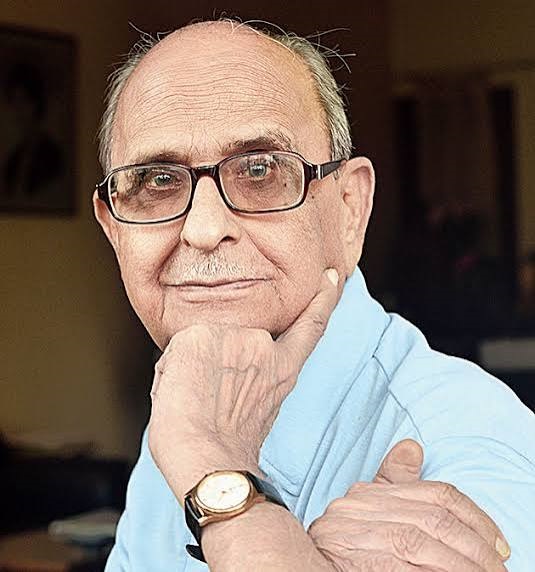
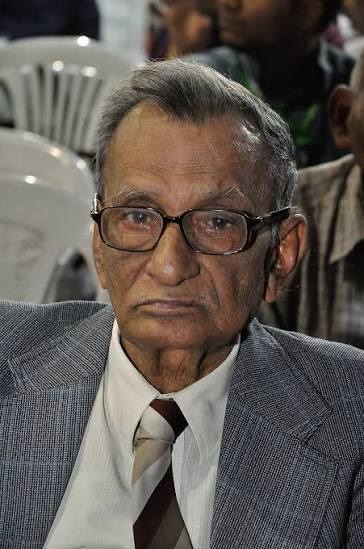
Professor Arun Kumar Sharma (1924–2017), popularly known as “AKS”, was a legendary Indian cytogeneticist, cell biologist, and botanist widely regarded as the Father of Indian Cytology. Achieving international renown entirely through research conducted in India without foreign training, his pioneering investigations into the physical and chemical nature of chromosomes revolutionized modern plant genetics, cytochemistry, and structural biology.
2. Quick Facts
- Full Name: Arun Kumar Sharma
- Native Name: অরুণ কুমার শর্মা (Bengali)
- Date of Birth: 31 December 1924
- Place of Birth: Calcutta (now Kolkata), British India
- Nationality: Indian
- Occupation/Profession: Scientist, University Professor, Academic Leader, and Author
- Field of Achievement: Cytogenetics, Cytochemistry, Cell Biology, and Botany
- Years Active: 1945–2017
3. Award Information (Padma Bhushan)
- Award Name: Padma Bhushan
- Award Category: India’s Third-Highest Civilian Honour
- Award Year: 1983
- Presented By: The President of India
- Date of Ceremony: 1983 (Republic Day honors cycle)
- Citation/Official Reason: Awarded in recognition of his exceptional and distinguished contributions to science, technology, and higher education.
- Previous Recipients: Eminent scientists and leaders from preceding years.
- Next Recipients: Notable civilian figures from subsequent national honor lists.
4. Why They Received the Award
Professor Sharma received the Padma Bhushan for his monumental breakthroughs in chromosome research and cytogenetics, which put Indian bioscience on the global map. His laboratory techniques enabled scientists worldwide to study chromosomes from mature and differentiating tissues rather than just root tips, fundamentally altering botany and cancer cell research protocols globally.
5. Early Life
Born in Calcutta on the last day of December 1924 to Charu Chandra Sharma and Shovamoyee, his early life met with severe financial hardship when his father passed away when Arun was only eight years old. Raised primarily at his maternal grandparents’ house, he displayed exceptional academic resilience early on, developing a deep-seated discipline that would define his scientific career.
6. Education
- Schooling: Mitra Institution, Calcutta
- Undergraduate: B.Sc. in Botany from Asutosh College, University of Calcutta (1943), studying on a half-free scholarship.
- Postgraduate: M.Sc. in Botany from Rajabazar Science College (1945).
- Doctorate: D.Sc. from the University of Calcutta (1955).
7. Career Journey
- University of Calcutta: Spent his entire teaching and research career here, rising to become the Sir Rashbehary Ghose Professor and Head of the Department of Botany.
- Centre of Advanced Study: Served as the Founder Programme Coordinator of the Centre of Advanced Study in Cell and Chromosome Research at Calcutta University.
- National Leadership: Appointed as a National Professor by the University Grants Commission (UGC) in 1977. Presided over premier organizations including the Indian Science Congress Association (1981) and founded the Federation of Asian Scientific Academies and Societies (FASAS) in 1984.
8. Major Achievements
- Global Cytology Techniques: Developed path-breaking laboratory techniques—such as repetitive DNA orcein banding and multiple DNA analysis—that are practiced globally.
- The Nucleus: Co-founded and served as Editor-in-Chief of The Nucleus, an internationally acclaimed journal on chromosome research, alongside his wife and scientific partner, Professor Archana Sharma.
- Definitive Literature: Co-authored the globally standard reference manual Chromosome Techniques: Theory and Practice, published by Butterworth & Co., London.
9. Contribution to the Nation
Beyond his direct academic breakthroughs, Professor Sharma shaped India’s science policy, heading committees for the Department of Science and Technology, the Botanical Survey of India, and UNESCO-affiliated environmental panels. He championed tissue culture as a vital tool for conserving India’s endangered plant species and improving crop variability through biotechnology.
10. Other Awards and Honours
- Shanti Swarup Bhatnagar Prize (1967): India’s highest science award in the biological sciences category.
- INSA Meghnad Saha Medal (1998).
- Om Prakash Bhasin Award (1993).
- G. M. Modi Award (1994).
11. Legacy and Influence
Professor Sharma trained dozens of top-tier scientists who populate university departments worldwide. His conceptualization of “chromosome dynamism in situ” proved that cellular differentiation does not alter an organism’s core genetic skeleton, shifting paradigms in developmental biology. He was also deeply tied to the Ramakrishna Mission, serving as Vice-President of its Institute of Culture.
12. Interesting Facts
- Swadeshi Science: Unlike many of his elite contemporaries, Professor Sharma achieved world-class scientific standing entirely within India, without pursuing foreign degrees or fellowships abroad.
- Scientific Partnership: His long-standing research partnership and marriage to Professor Archana Sharma formed one of India’s most formidable scientific duos.
- Passage: He passed away on 6 July 2017 at the age of 92, leaving behind a legacy of over 500 research papers and multiple definitive volumes.
13. Quotes
“The study of chromosomes is not merely an observation of static structures, but a window into the dynamic evolution and adaptation of life itself.” — (Reflecting his philosophy on cytogenetics)
14. Timeline
- 1924: Born on December 31 in Calcutta, British India
- 1945: Completed his Master of Science degree
- 1958: Co-founded the international journal The Nucleus
- 1967: Awarded the prestigious Shanti Swarup Bhatnagar Prize
- 1977: Appointed National Professor by the UGC
- 1981: Served as General President of the Indian Science Congress Association
- 1983: Conferred the Padma Bhushan by the Government of India
- 2017: Passed away on July 6 in Kolkata at age 92
15. References
- Wikipedia contributors. “Arun Kumar Sharma.” Wikipedia, The Free Encyclopedia.
- Archana Sharma Foundation. “Biography of Professor A K Sharma.”
- Ministry of Home Affairs, Government of India. Padma Awards Directory.
16. Related Personalities
- Archana Sharma (Renowned cytogeneticist, co-researcher, and spouse)
- Sir Rashbehary Ghose (Distinguished legal scholar, philanthropist, and namesake of Sharma’s chair at Calcutta University)
- J. C. Bose (Pioneering Indian biophysicist whose legacy influenced early Indian institutional science)
17. Frequently Asked Questions (FAQ)
- Q: Who was Arun Kumar Sharma?A: He was a preeminent Indian botanist and cytogeneticist widely hailed as the “Father of Indian Cytology” for his discoveries in chromosome structure and behavior.
- Q: What major civilian honor did he receive?A: He was awarded the Padma Bhushan in 1983 by the Government of India.
- Q: What was his main contribution to science?A: He developed groundbreaking techniques to study chromosomes from mature and differentiated tissues, expanding global knowledge on cell biology, plant taxonomy, and somatic cell behavior.
About the Author