

Introduction
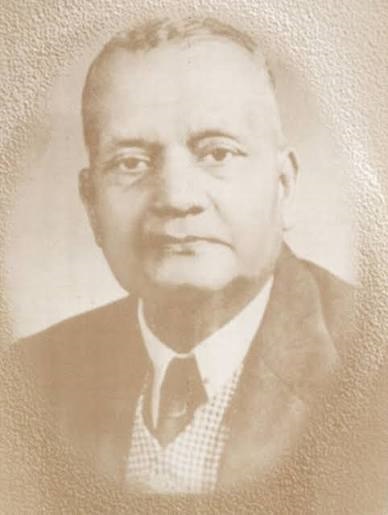
Amarnath Jha (25 December 1897 – 2 January 1955) was one of India’s most distinguished scholars, educationists, and administrators. Renowned for his exceptional command of English literature and his contributions to higher education, he played a key role in shaping India’s academic landscape during the pre- and post-independence periods. As the long-serving Vice-Chancellor of the University of Allahabad, he promoted excellence in teaching, research, and university administration. In recognition of his outstanding contributions to education and public service, he was awarded the Padma Bhushan in 1954, one of India’s highest civilian honours.
Early Life
Amarnath Jha was born on 25 December 1897 in Madhubani, in the Darbhanga district of present-day Bihar, India. He belonged to a respected scholarly family. His father, Sir Ganganath Jha, was a renowned Sanskrit scholar and philosopher, whose influence inspired Amarnath Jha to pursue academic excellence from an early age.
Growing up in an intellectually rich environment, he developed a deep interest in literature, languages, and education.
Birth Date and Death
- Born: 25 December 1897
- Birthplace: Madhubani, Darbhanga District, Bihar, British India (now Bihar, India)
- Died: 2 January 1955
- Nationality: Indian
Education and Career
Amarnath Jha received his early education in Allahabad before pursuing higher studies at Muir Central College, which later became part of the University of Allahabad. He excelled academically, particularly in English literature.
He began his career as a professor of English and quickly earned a reputation as an inspiring teacher and brilliant scholar. His administrative abilities led to his appointment as Vice-Chancellor of the University of Allahabad, a position he held for several terms.
Under his leadership, the university strengthened its academic standards, expanded research opportunities, and became one of India’s leading centers of higher education.
He also served as a member of several educational commissions and government committees that helped shape educational policies in India.
Why Did He Receive the Padma Bhushan Award?
Amarnath Jha was awarded the Padma Bhushan in 1954 for his exceptional contributions to:
- Higher education in India.
- University administration and academic leadership.
- Promotion of English literature and humanities.
- Development of educational institutions.
- Public service in the field of education.
His dedication to improving the quality of higher education and nurturing generations of students made him one of India’s most respected educationists.
Career and Achievements
Throughout his distinguished career, Amarnath Jha accomplished numerous milestones:
1. Vice-Chancellor of the University of Allahabad
He served multiple terms as Vice-Chancellor and transformed the university into one of India’s premier educational institutions.
2. Distinguished Professor of English
He was widely admired for his scholarship, eloquence, and inspiring teaching methods.
3. Educational Reformer
He introduced improvements in university administration, curriculum development, and academic standards.
4. National Educational Leadership
He contributed to educational planning and policy through various national committees and commissions.
5. Mentor to Future Leaders
Many of his students went on to become distinguished scholars, civil servants, judges, and political leaders.
Field of Achievement
Amarnath Jha made remarkable contributions in the fields of:
- Higher Education
- English Literature
- University Administration
- Educational Policy
- Academic Leadership
- Public Service
Awards and Honours
His major honours include:
- Padma Bhushan (1954) for distinguished service in education.
- Multiple terms as Vice-Chancellor of the University of Allahabad.
- Recognition as one of India’s leading educationists and literary scholars.
- Membership in several important educational and academic bodies.
Interesting Facts
- Amarnath Jha was the son of the famous Sanskrit scholar Sir Ganganath Jha.
- He was celebrated for his exceptional command of the English language and his memorable lectures.
- His leadership helped establish the University of Allahabad as one of India’s most prestigious universities.
- He was respected equally for his scholarship, integrity, and administrative skills.
- Many distinguished Indian scholars and administrators studied under his guidance.
Legacy and Inspiration
Amarnath Jha’s legacy continues through the institutions he strengthened and the countless students he inspired. His belief in academic excellence, ethical leadership, and intellectual curiosity remains relevant to educators and students today. His life demonstrates how quality education can contribute to national progress and social development.
Contribution to the Nation
Amarnath Jha made lasting contributions to India by:
- Strengthening higher education institutions.
- Improving university administration and governance.
- Promoting excellence in teaching and research.
- Encouraging the study of literature and the humanities.
- Mentoring generations of scholars, administrators, and public servants.
- Contributing to the development of India’s education system during a crucial period in its history.
Conclusion
Amarnath Jha was one of India’s finest educationists, scholars, and university administrators. Through his visionary leadership at the University of Allahabad and his lifelong dedication to learning, he helped shape the future of higher education in India. His Padma Bhushan, awarded in 1954, recognized his outstanding service to education and the nation. Today, he is remembered as a symbol of academic excellence, integrity, and intellectual leadership, whose contributions continue to inspire educators, students, and scholars across India.
About the Author




