Introduction
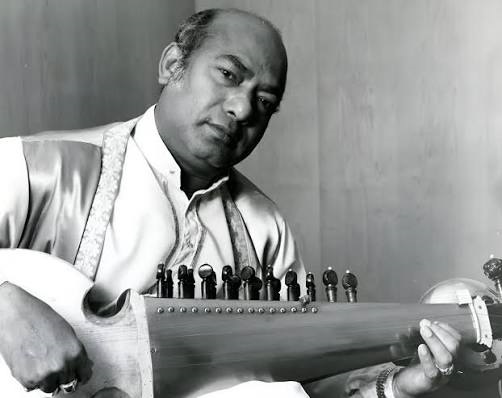
Ali Akbar Khan was one of India’s greatest classical musicians and a world-renowned sarod players. He played a major role in introducing Indian classical music to audiences across the globe. Known for his deep musical expression, creativity, and dedication, he became an important ambassador of Indian culture. His contribution to Hindustani classical music earned him several prestigious awards, including the Padma Vibhushan, one of India’s highest civilian honours.
Why Did Ali Akbar Khan Receive the Padma Vibhushan Award?
Ali Akbar Khan received the Padma Vibhushan in 1989 for his outstanding contribution to Indian classical music, especially his mastery of the sarod. He was honoured for preserving, developing, and spreading the tradition of Hindustani classical music in India and around the world.
His performances, teaching, and efforts to make Indian music accessible internationally helped establish the sarod as a respected classical instrument worldwide.
Early Life
Ali Akbar Khan was born on 14 April 1922 in Shivpur, Bengal (present-day Bangladesh). He was born into a family with a strong musical background. His father, Allauddin Khan, was a legendary musician and teacher who trained several great artists of Indian classical music.
From a young age, Ali Akbar Khan showed great interest in music and began learning various instruments and musical styles under the guidance of his father.
Birth Date and Death
- Birth Date: 14 April 1922
- Birth Place: Shivpur, Bengal (now in Bangladesh)
- Death Date: 18 June 2009
- Place of Death: San Anselmo, California, USA
He lived for 87 years and dedicated his life to Indian classical music.
Education and Career
Ali Akbar Khan received his musical education through the traditional guru-shishya (teacher-student) system under his father, Allauddin Khan. His training included sarod, vocal music, rhythm, and various aspects of Hindustani classical music.
He gave his first major public performance at a young age and later became a leading sarod player. He performed extensively in India and internationally, bringing Indian classical music to audiences in Europe, America, and other parts of the world.
In 1956, he founded the Ali Akbar College of Music in Kolkata and later established another branch in California, where he trained many students from different countries.
Career and Achievements
Ali Akbar Khan had a remarkable career spanning more than seven decades. Some of his major achievements include:
- Becoming one of the most respected sarod players in the world.
- Performing at prestigious international venues.
- Introducing Indian classical music to Western audiences.
- Creating many memorable recordings of Hindustani classical music.
- Training generations of musicians through his music schools.
- Collaborating with other great musicians, including sitar maestro Ravi Shankar.
Field of Achievements
Ali Akbar Khan’s main field of achievement was:
Hindustani Classical Music – Sarod Performance
He was famous for his powerful, emotional, and technically brilliant sarod playing. His music combined tradition with creativity while maintaining the purity of Indian classical forms.
Awards and Honours
Ali Akbar Khan received many prestigious awards throughout his life, including:
- Padma Bhushan (1967) – Government of India
- Padma Vibhushan (1989) – Government of India
- Sangeet Natak Akademi Award (1989)
- Sangeet Natak Akademi Fellowship (1991)
- National Heritage Fellowship (1997) – United States
- Grammy Award nominations for his recordings and collaborations
These honours recognized his exceptional contribution to music.
Interesting Facts
- Ali Akbar Khan was known as the “Sarod Maestro” because of his unmatched skill with the instrument.
- He belonged to the famous Maihar gharana, a major tradition of Hindustani classical music.
- He performed for international audiences and helped increase global appreciation for Indian classical music.
- His father, Allauddin Khan, was also the teacher of famous musicians such as Ravi Shankar.
- He established music schools to share Indian classical music with students around the world.
Legacy and Inspiration
Ali Akbar Khan’s legacy continues through his recordings, students, and the institutions he created. His dedication shows the importance of discipline, creativity, and respect for tradition.
He inspired countless musicians to learn and preserve Indian classical music. His life remains an example of how art can connect people across cultures and countries.
Contribution to the Nation
Ali Akbar Khan made a significant contribution to India by promoting Indian classical music internationally. Through his performances and teaching, he represented India’s rich cultural heritage on the global stage.
He helped preserve the sarod tradition and introduced generations of people to the beauty of Indian music. His work strengthened India’s cultural identity and increased worldwide respect for its artistic traditions.
Conclusion
Ali Akbar Khan was not only a brilliant musician but also a cultural ambassador who carried the spirit of Indian classical music across the world. His dedication to the sarod, his teaching, and his efforts to preserve musical traditions made him one of India’s greatest musical legends. His contribution continues to inspire musicians and music lovers everywhere.
About the Author