
Introduction
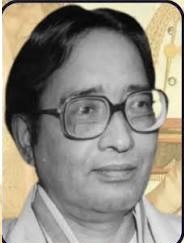
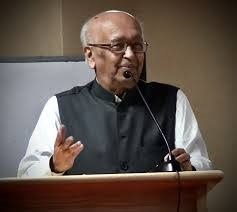
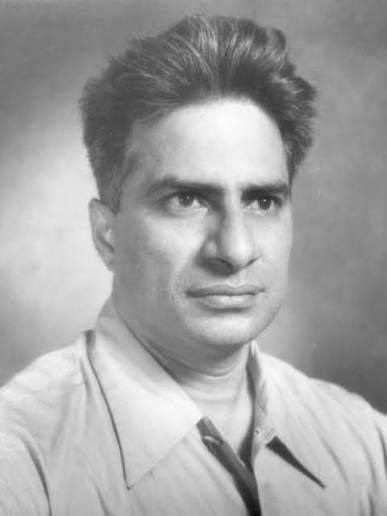
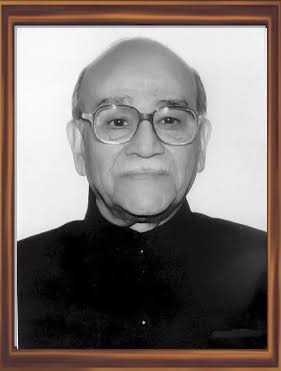
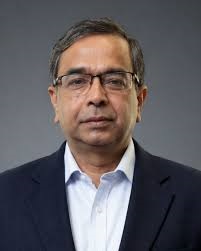
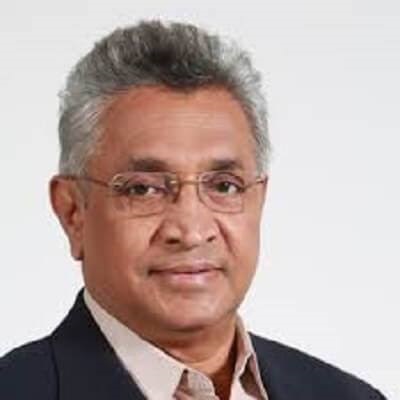
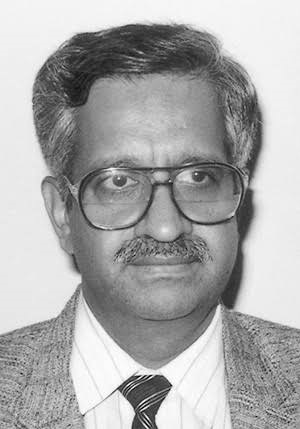
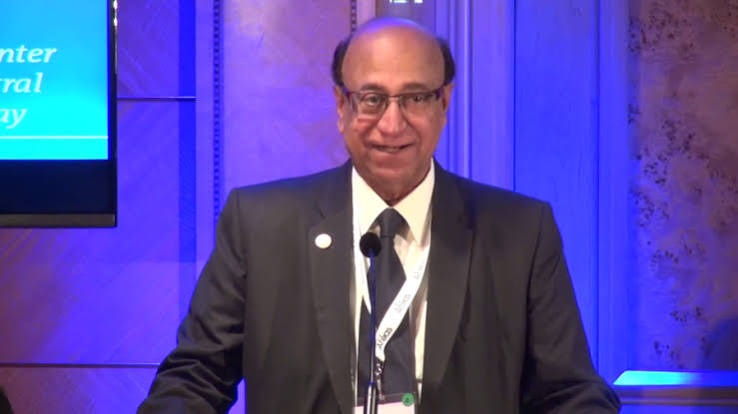
Srinivasan Ramani is one of India’s pioneering computer scientists who made significant contributions to computer networking, Internet development, and information technology education. He played a vital role in introducing and expanding Internet connectivity in India during its formative years. Through his leadership in research, networking, and academic institutions, Dr. Ramani helped build the technological foundation that supports India’s modern digital economy. His contributions have earned him recognition as one of the pioneers of the Internet in India.
Early Life and Education
Srinivasan Ramani was born in India and developed an early interest in mathematics, engineering, and computing. He pursued higher education in engineering and computer science, building a strong academic foundation that prepared him for a distinguished career in information technology and computer networking.
Throughout his education, he focused on emerging computing technologies and communication systems, areas that later became central to his pioneering work in Internet infrastructure and network development.
Scientific Career and Research
Dr. Ramani began his career as a computer scientist and researcher during a period when computer networking was still in its infancy in India. He worked with several leading research organizations and academic institutions, promoting computer science education and advanced networking technologies.
He played an important role in the development of the Education and Research Network (ERNET), India’s first nationwide academic and research computer network. ERNET connected universities, research laboratories, and educational institutions across the country, providing one of the earliest Internet-based communication platforms in India.
Dr. Ramani also held leadership positions at Indian Institute of Technology Bombay, where he contributed to computer science research, networking technologies, and the training of future engineers and computer scientists.
His research interests included computer networks, distributed computing, communication systems, Internet technologies, and information infrastructure.
Major Discoveries and Inventions
Dr. Ramani’s most important contributions include:
- Development of ERNET (Education and Research Network): Helped establish India’s first nationwide academic computer network, connecting universities and research institutions.
- Internet Development in India: Played a pioneering role in introducing Internet technologies and expanding network connectivity throughout the country.
- Computer Networking: Contributed to the design, implementation, and promotion of networking technologies for education and research.
- Distributed Computing: Conducted research on distributed computer systems and communication protocols.
- Computer Science Education: Strengthened computer science teaching and research through curriculum development, faculty mentorship, and academic leadership.
- Technology Policy: Advised government agencies and research organizations on networking infrastructure and information technology development.
His work laid the groundwork for India’s modern Internet ecosystem and helped accelerate digital communication across educational and research institutions.
Awards and Honours
Dr. S. Ramani has received several recognitions for his contributions to computer science and networking, including:
- Padma Shri for his contributions to science and engineering.
- Recognition from national and international scientific organizations for advancing computer networking and Internet technologies.
- Distinguished service awards from professional computing societies and academic institutions.
- Fellowships and honorary positions in organizations promoting computer science, engineering, and information technology.
His achievements have been widely acknowledged within India’s scientific and technological community.
Later Life
After helping establish India’s early Internet infrastructure, Dr. Ramani continued contributing to research, education, technology policy, and academic administration. He remained actively involved in mentoring young researchers, promoting innovation, and supporting the growth of India’s information technology ecosystem.
He has participated in conferences, advisory committees, and educational initiatives that encourage collaboration between academia, industry, and government.
Note: As of July 2026, Srinivasan Ramani is alive. Therefore, a “Later Life and Death” section is not applicable.
Legacy and Impact
S. Ramani’s work has had a lasting influence on India’s digital transformation. His contributions to ERNET and early Internet infrastructure enabled universities, research laboratories, and educational institutions to communicate and collaborate more effectively.
His efforts helped prepare India for the rapid expansion of the Internet, information technology, and digital services in the decades that followed. Thousands of students, researchers, and engineers have benefited from the networking infrastructure and educational initiatives he helped establish.
Today, Dr. Ramani is remembered as one of the pioneers who laid the technological foundations for India’s connected digital society. His vision continues to inspire advancements in computer networking, Internet technologies, and higher education.
Conclusion
Dr. S. Ramani played a crucial role in shaping the early development of computer networking and the Internet in India. Through his leadership in ERNET, academic research, and computer science education, he helped build the infrastructure that supports India’s digital revolution. His dedication to technological innovation, education, and national development has earned him a lasting place among India’s most influential computer scientists. As India continues to expand its digital capabilities, the contributions of pioneers like Dr. S. Ramani remain both relevant and inspiring.
About the Author