Introduction
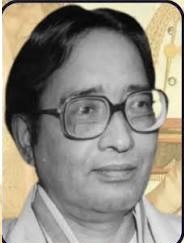
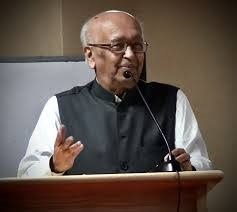
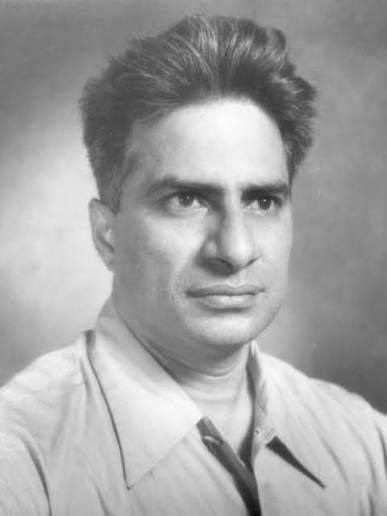
Dr. Maharaj Kishan (M. K.) Bhan (1947–2022) was a distinguished Indian pediatrician, gastroenterologist, medical researcher, and science administrator whose pioneering work transformed child health, vaccine development, and public health in India. He is internationally recognized for his research on childhood diarrheal diseases, nutrition, and intestinal infections, which helped reduce child mortality. Dr. Bhan played a pivotal role in the development and introduction of ROTAVAC, India’s first indigenously developed rotavirus vaccine. As the Secretary of the Department of Biotechnology (DBT), Government of India, he also strengthened India’s biotechnology and biomedical research ecosystem.
Early Life and Education
M. K. Bhan was born on November 9, 1947, in Kashmir, India. He spent his early years in the region and developed a strong interest in medicine and public health.
He earned his MBBS from the Government Medical College, Srinagar, followed by an MD in Pediatrics from the Postgraduate Institute of Medical Education and Research (PGIMER), Chandigarh. To further his expertise, he undertook advanced training in pediatric gastroenterology and nutrition at leading international institutions, where he developed a deep interest in childhood infectious diseases and gastrointestinal disorders.
His education laid the foundation for a lifelong career dedicated to improving the health and survival of children.
Scientific Career & Research
Dr. Bhan spent much of his academic career at the All India Institute of Medical Sciences (AIIMS), New Delhi, where he became one of India’s leading pediatric researchers.
His major research areas included:
- Pediatrics
- Pediatric gastroenterology
- Childhood diarrheal diseases
- Rotavirus infections
- Child nutrition
- Vaccine development
- Public health
- Biotechnology
He later served as the Secretary of the Department of Biotechnology (DBT) from 2004 to 2012, where he promoted biomedical innovation, translational research, and collaborations between academia and industry.
Major Discoveries and Contributions
1. Research on Childhood Diarrheal Diseases
Dr. Bhan conducted pioneering research on diarrheal diseases, one of the leading causes of child mortality in developing countries.
His studies improved understanding of:
- Causes of severe diarrhea
- Intestinal infections
- Nutritional deficiencies
- Disease prevention strategies
His work contributed significantly to reducing childhood deaths through better treatment and prevention.
2. Development of ROTAVAC Vaccine
One of Dr. Bhan’s most significant achievements was leading research that contributed to the development of ROTAVAC, India’s first indigenously developed rotavirus vaccine.
The vaccine protects infants against severe rotavirus infections, a major cause of diarrhea and dehydration. Its introduction into India’s Universal Immunization Programme has helped prevent thousands of hospitalizations and deaths among young children.
3. Advances in Pediatric Gastroenterology
Dr. Bhan made important contributions to understanding disorders affecting the digestive system in children.
His research focused on:
- Intestinal infections
- Nutrient absorption
- Childhood malnutrition
- Gut health
- Immune responses
These studies improved the diagnosis and treatment of gastrointestinal diseases in children.
4. Nutrition and Child Health
Recognizing the close link between nutrition and disease, Dr. Bhan promoted research on child nutrition and feeding practices.
His work influenced programs aimed at:
- Reducing malnutrition
- Improving infant feeding
- Strengthening maternal and child health
- Preventing micronutrient deficiencies
5. Strengthening Biotechnology in India
As Secretary of the Department of Biotechnology, Dr. Bhan played a key role in expanding India’s biotechnology sector.
He supported:
- Vaccine research
- Biomedical innovation
- Genomics
- Translational medicine
- Public–private partnerships
- Biotechnology startups
His leadership helped position India as an emerging global center for biotechnology research.
Awards and Honours
Dr. M. K. Bhan received numerous prestigious awards, including:
- Padma Bhushan (2013) for contributions to medicine.
- Shanti Swarup Bhatnagar Prize for Medical Sciences (1990).
- Fellow of the Indian National Science Academy (INSA).
- Fellow of the Indian Academy of Sciences (IASc).
- Honorary fellowships from several national and international medical organizations.
- Recognition by global public health institutions for contributions to vaccine research and child health.
Later Life and Death
After completing his tenure as Secretary of the Department of Biotechnology, Dr. Bhan continued to mentor researchers, advise healthcare organizations, and promote innovation in biomedical science.
He remained actively involved in research, policy development, and initiatives aimed at improving child health and expanding access to affordable healthcare technologies.
Dr. M. K. Bhan passed away on January 26, 2022, in Faridabad, Haryana, at the age of 74. His death was widely mourned by the medical and scientific communities in India and around the world.
Legacy and Impact
Dr. M. K. Bhan’s work has had a profound and lasting impact on pediatric medicine, public health, and biotechnology.
His enduring legacy includes:
- Advancing research on childhood diarrheal diseases.
- Leading the development of ROTAVAC, India’s first indigenous rotavirus vaccine.
- Improving pediatric gastroenterology and child nutrition.
- Reducing child mortality through better prevention and treatment strategies.
- Strengthening India’s biotechnology research and innovation ecosystem.
- Mentoring generations of pediatricians, scientists, and public health professionals.
- Promoting affordable healthcare solutions for developing countries.
His contributions continue to benefit millions of children in India and across the world.
Conclusion
Dr. M. K. Bhan was one of India’s most influential pediatricians, gastroenterologists, and medical researchers. His pioneering work on childhood diarrheal diseases, nutrition, and vaccine development has saved countless young lives and strengthened India’s public health system. Through his leadership in biotechnology and unwavering commitment to improving child health, he left an enduring legacy that continues to inspire healthcare professionals, researchers, and policymakers. Dr. Bhan’s life stands as a remarkable example of how scientific innovation can transform public health and improve the lives of millions.
About the Author