
Introduction
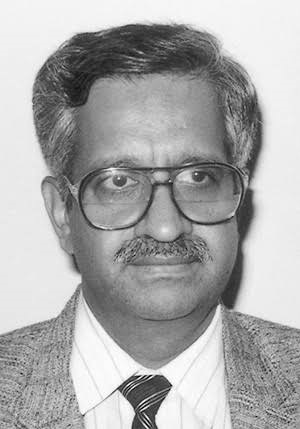
Professor Govindarajan Padmanaban (G. Padmanaban) is an eminent Indian biochemist and molecular biologist whose pioneering research has significantly advanced the fields of heme metabolism, molecular biology, infectious diseases, and biotechnology. Over a scientific career spanning more than five decades, he has made important contributions to understanding the biochemical pathways involved in heme biosynthesis and has conducted influential research on malaria parasites and liver biology. A distinguished educator and science administrator, Padmanaban has also played a major role in strengthening biological research and biotechnology in India. His work continues to influence modern biomedical science and pharmaceutical research.
Early Life and Education
G. Padmanaban was born on April 10, 1938, in Tamil Nadu, India. From an early age, he displayed a keen interest in science, particularly chemistry and biology.
He completed his undergraduate and postgraduate studies in chemistry before pursuing advanced research in biochemistry. He earned his Ph.D. in Biochemistry from the Indian Institute of Science (IISc), Bengaluru, one of India’s premier research institutions.
Following his doctoral studies, Padmanaban undertook postdoctoral research abroad, where he gained expertise in molecular biology, enzymology, and modern biochemical techniques. His international experience helped shape his future research in biomedical sciences.
Scientific Career & Research
Professor Padmanaban spent most of his distinguished career at the Indian Institute of Science (IISc), Bengaluru, where he served as a professor in the Department of Biochemistry and later held several academic leadership positions.
His major research areas include:
- Biochemistry
- Molecular biology
- Heme biosynthesis
- Malaria research
- Liver metabolism
- Gene regulation
- Biotechnology
- Molecular parasitology
Throughout his career, he supervised numerous doctoral students and published hundreds of research papers in leading international scientific journals.
His laboratory combined molecular biology, genetics, and biochemistry to investigate fundamental biological processes and develop strategies to combat infectious diseases.
Major Discoveries and Contributions
1. Research on Heme Biosynthesis
Professor Padmanaban’s most significant scientific contribution has been his research on heme biosynthesis, the process through which living organisms produce heme—a vital component of hemoglobin and many cellular enzymes.
His work improved understanding of:
- Enzyme regulation
- Iron metabolism
- Cellular respiration
- Blood formation
- Metabolic disorders
These discoveries have broad implications for medicine and human health.
2. Contributions to Malaria Research
Padmanaban conducted pioneering studies on the biology of the malaria parasite (Plasmodium).
His research explored:
- Parasite metabolism
- Heme utilization by malaria parasites
- Molecular mechanisms of parasite survival
- Potential targets for antimalarial drugs
His findings have contributed to the development of new approaches for malaria treatment and drug discovery.
3. Molecular Biology of Gene Regulation
Professor Padmanaban investigated how genes regulate important biochemical pathways in cells.
His research clarified mechanisms controlling:
- Gene expression
- Protein synthesis
- Cellular metabolism
- Developmental processes
These studies have enhanced understanding of molecular biology in both normal and diseased cells.
4. Biotechnology and Biomedical Research
Padmanaban has played an important role in promoting biotechnology research in India.
His contributions include:
- Developing modern molecular biology laboratories
- Encouraging interdisciplinary biomedical research
- Supporting translational research
- Promoting collaboration between academia and industry
His efforts strengthened India’s biotechnology research ecosystem.
5. Scientific Leadership and Institution Building
In addition to his laboratory research, Professor Padmanaban served on numerous national scientific committees and advisory boards.
He contributed to:
- Science policy
- Biotechnology development
- Research funding initiatives
- Higher education
- National research programs
His leadership has influenced the growth of life sciences in India.
Awards and Honours
Professor G. Padmanaban has received numerous prestigious awards in recognition of his scientific achievements, including:
- Padma Shri (1982), awarded by the Government of India for contributions to science and engineering.
- Shanti Swarup Bhatnagar Prize for Biological Sciences (1977), one of India’s highest scientific honors.
- Fellow of the Indian Academy of Sciences (IASc).
- Fellow of the Indian National Science Academy (INSA).
- Fellow of the National Academy of Sciences, India (NASI).
- Several national and international awards for excellence in biochemistry, molecular biology, and biotechnology.
He has also served in leadership roles in several prestigious scientific organizations.
Later Life
Even after his formal retirement from the Indian Institute of Science, Professor Padmanaban has remained active in scientific research, mentoring young scientists, delivering lectures, and advising research institutions.
He continues to contribute to scientific discussions on biotechnology, biomedical research, and science policy. As of recent public information, Professor G. Padmanaban is living, and there are no verified reports of his death.
Legacy and Impact
Professor G. Padmanaban’s research has had a lasting impact on biochemistry, molecular biology, and biomedical sciences.
His enduring legacy includes:
- Advancing knowledge of heme biosynthesis and metabolism.
- Improving understanding of malaria parasite biology.
- Contributing to molecular biology and gene regulation research.
- Strengthening biotechnology and life sciences in India.
- Training generations of biochemists and molecular biologists.
- Promoting interdisciplinary biomedical research.
- Influencing national science policy and biotechnology development.
His work continues to inspire researchers in molecular medicine, infectious diseases, and biotechnology.
Conclusion
Professor G. Padmanaban is one of India’s most accomplished biochemists and molecular biologists, whose pioneering research has significantly advanced the understanding of heme metabolism, gene regulation, and malaria biology. Through his scientific discoveries, mentorship, and leadership in research and biotechnology, he has helped shape modern life sciences in India. His enduring contributions continue to benefit biomedical research, public health, and scientific education, making him a respected figure in the global scientific community.
About the Author