A. P. J. Abdul Kalam – The People’s President of India
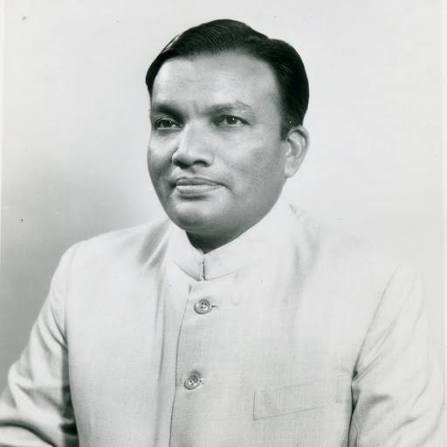
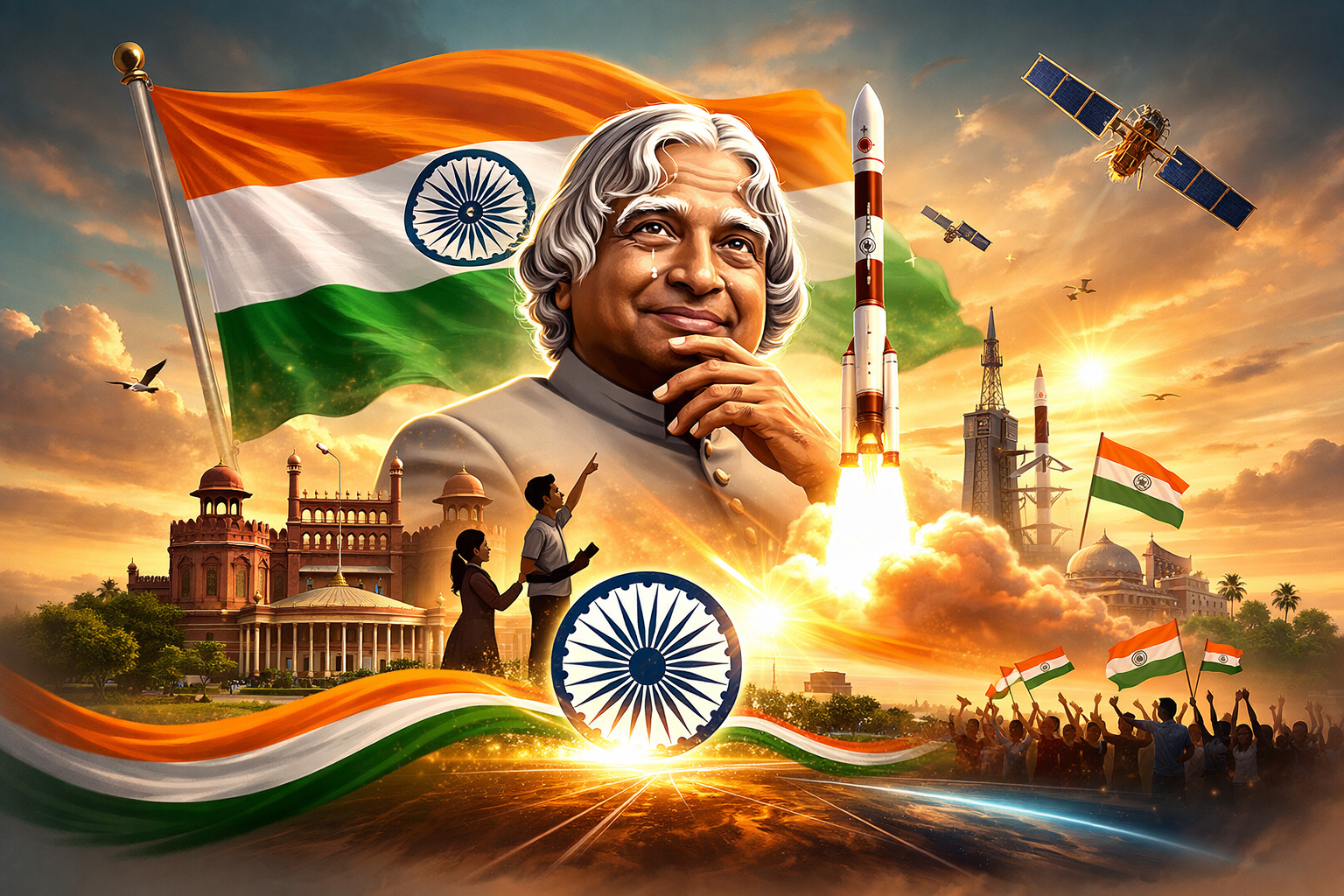
Dr. A. P. J. Abdul Kalam was one of India’s most respected scientists, visionary leaders, and the 11th President of India. Known as the “Missile Man of India”, he played a key role in strengthening the country’s defense and space research programs. His life story — from a humble background to Rashtrapati Bhavan — continues to inspire millions.
Early Life and Family Background
- Full Name: Avul Pakir Jainulabdeen Abdul Kalam
- Born: October 15, 1931
- Birthplace: Rameswaram, Tamil Nadu, India
- Father: Jainulabdeen (Boat owner and imam of a local mosque)
- Mother: Ashiamma (Homemaker)
Dr. Kalam was born into a modest Muslim family. His father was not formally educated but was wise and respected in the community. Despite financial challenges, Kalam’s parents instilled strong values of discipline, honesty, and faith in him.
As a child, Kalam helped his family by distributing newspapers before going to school. His early hardships shaped his determination and strong work ethic.
Education Journey
Dr. Kalam was a bright and curious student with a deep interest in science and mathematics.
- Completed schooling in Rameswaram.
- Graduated in Physics from St. Joseph’s College.
- Studied Aerospace Engineering at Madras Institute of Technology.
During his engineering studies, he developed a strong passion for aircraft and missile technology, which later defined his career.
Career and Scientific Contributions
1. Work with ISRO
Dr. Kalam joined the Indian Space Research Organisation (ISRO) where he was the Project Director of India’s first Satellite Launch Vehicle (SLV-III).
- Successfully launched the Rohini satellite in 1980.
- Helped India enter the space club of nations.
2. Missile Development Program
Later, he joined the Defence Research and Development Organisation (DRDO).
He led India’s Integrated Guided Missile Development Program and played a crucial role in developing missiles like:
- Agni (Ballistic missile)
- Prithvi (Surface-to-surface missile)
Because of his work in missile technology, he earned the title “Missile Man of India.”
3. Pokhran Nuclear Tests
Dr. Kalam played an important role in the 1998 nuclear tests at Pokhran, which strengthened India’s defense capability globally.
Presidency (2002–2007)
Dr. Kalam became the 11th President of India in 2002. He was elected with overwhelming support and became one of the most loved Presidents in Indian history.
During his presidency:
- He connected strongly with students and youth.
- Promoted the vision of “Developed India 2020.”
- Encouraged innovation, education, and scientific thinking.
He was popularly called the “People’s President” because of his humble and approachable nature.
Awards and Honors
Dr. Kalam received numerous awards, including:
- Bharat Ratna (1997) – India’s highest civilian award
- Padma Bhushan
- Padma Vibhushan
Books Written by A. P. J. Abdul Kalam
Dr. Kalam was also an inspiring author. Some of his famous books include:
- Wings of Fire (Autobiography)
- Ignited Minds
- India 2020
His writings focus on youth empowerment, national development, and self-confidence.
Personal Life
- Dr. Kalam never married.
- He lived a simple and disciplined life.
- He believed in spirituality and unity among religions.
- He loved teaching and interacting with students.
Even after completing his presidency, he continued teaching and motivating young minds.
Death and Legacy
Dr. A. P. J. Abdul Kalam passed away on July 27, 2015, while delivering a lecture at the Indian Institute of Management Shillong.
He collapsed during his speech — doing what he loved most: teaching students.
His birthday (October 15) is celebrated as World Students’ Day in India.
Inspirational Quotes by A. P. J. Abdul Kalam
“Dream, dream, dream. Dreams transform into thoughts and thoughts result in action.”
“If you want to shine like a sun, first burn like a sun.”
Conclusion
Dr. A. P. J. Abdul Kalam’s life is a powerful example of how determination, hard work, and education can transform a simple boy from Rameswaram into the President of India. His contributions to science, education, and national development remain unforgettable.
He was not just a scientist or President — he was a mentor, visionary, and true patriot whose legacy continues to guide India’s youth.
About the Author