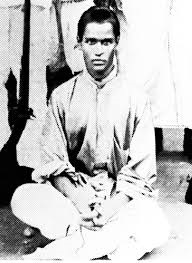
Vanchinathan (Vanchi Iyer) – Biography
Vanchinathan was a young Indian freedom fighter from Tamil Nadu who became famous for his role in the revolutionary movement against British rule, especially for the assassination of British Collector Robert Ashe in 1911.
Early Life and Education
Vanchinathan was born in 1886 in Shenkottai (present-day Tenkasi district, Tamil Nadu, India). He belonged to a Tamil Brahmin family and was also known as Shankaran or Vanchi Iyer.
He received his early education in Tamil Nadu and later studied at Madras Christian College. He was considered intelligent and well-educated, with a strong interest in nationalist ideas that were spreading during the British colonial period.
Education & Skills
- Studied in reputed institutions including Madras Christian College
- Well-versed in Tamil and English
- Interested in political philosophy and revolutionary ideas
- Associated with secret nationalist groups like the Bharatha Mata Association
- Skilled in organizing underground resistance activities
His education exposed him to both Western political thought and Indian nationalist movements, which influenced his revolutionary mindset.
Contribution to Indian Freedom Movement
Vanchinathan’s major contribution was his involvement in revolutionary nationalism rather than political negotiation.
- He was part of underground revolutionary groups in South India
- Actively opposed British administrative policies
- Took part in planning resistance actions against colonial officials
His most notable act was the assassination of Robert Ashe, the Collector of Tirunelveli, on 17 June 1911 at Maniyachi railway station. Ashe was seen as responsible for suppressing nationalist activities, especially related to leaders like V.O. Chidambaram Pillai.
After the act, Vanchinathan committed suicide to avoid arrest.
Contribution to Tamil Literature
Vanchinathan did not directly contribute to Tamil literature through writing or publications. However, his life and sacrifice became a powerful inspiration in Tamil patriotic literature, songs, and plays that emerged later during the freedom struggle.
His legacy is often celebrated in Tamil cultural works as a symbol of youth sacrifice for independence.
Role in India’s Freedom Movement
- Represented the revolutionary wing of the Indian independence movement
- Opposed British colonial officials through direct action
- Inspired later revolutionary and nationalist youth in Tamil Nadu
- His actions highlighted resistance beyond peaceful protest
He is remembered as one of the early martyrs of armed resistance in South India.
Personal Life
Vanchinathan led a simple life. He was married to Ponnammal, and the couple had a short family life due to his early involvement in revolutionary activities. Very little detailed personal information is available, as most of his life was dedicated to nationalist work.
Death
On 17 June 1911, after assassinating Robert Ashe at Maniyachi railway station, Vanchinathan took his own life to avoid capture by British authorities. He left behind a famous note declaring his sacrifice for the motherland.
His death at a young age turned him into a martyr figure in India’s freedom struggle.
Conclusion
Vanchinathan remains an important figure in India’s independence history, especially in Tamil Nadu. Though his life was short, his bold action against British rule made him a symbol of sacrifice and revolutionary patriotism. Today, he is remembered as a martyr who gave his life for India’s freedom.
About the Author