Early Life and Education
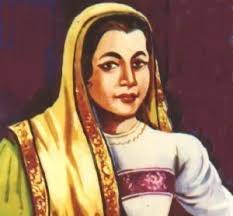
Madam Bhikaji Cama was born on 24 September 1861 in Mumbai (then Bombay) into a wealthy Parsi family. Her father, Sorabji Framji Patel, was a successful merchant and an active member of the community.
She received her education at the Alexandra Girls’ English Institution, where she excelled academically. From a young age, she showed a keen interest in social issues, public welfare, and national affairs.
Education & Skills
Bhikaji Cama was well educated and possessed exceptional communication and leadership abilities.
Key Skills
- Public speaking
- Political activism
- Journalism and writing
- International diplomacy
- Organizational leadership
- Social service
- Advocacy for human rights and national freedom
Her multilingual abilities and strong communication skills helped her promote India’s cause on international platforms.
Contribution to Tamil Literature
Madam Bhikaji Cama did not directly contribute to Tamil literature. However, her nationalist ideas and writings inspired people across India, including Tamil-speaking regions.
Through her publications and speeches, she encouraged patriotism, self-respect, and resistance to colonial rule. Her life and contributions have been documented in Tamil biographies, articles, and educational materials, making her an inspirational figure for Tamil readers.
Role in India’s Freedom Movement
Madam Bhikaji Cama was one of the earliest international advocates of Indian independence.
Major Contributions
- Supported the Indian nationalist movement from abroad, particularly in Europe.
- Worked closely with prominent revolutionaries such as Shyamji Krishna Varma and Vinayak Damodar Savarkar.
- Published and distributed revolutionary literature exposing British colonial policies.
- Advocated India’s right to freedom at international conferences and political gatherings.
- In 1907, she famously unfurled an early version of the Indian national flag at the International Socialist Congress in Stuttgart.
- Urged the international community to support India’s struggle for independence.
Her historic flag-hoisting made her a symbol of Indian nationalism worldwide.
Personal Life
Bhikaji Cama married Rustomji Cama, a wealthy lawyer and businessman. However, their political and ideological differences created distance between them.
She devoted much of her life to social work, political activism, and the cause of Indian independence. Due to her anti-British activities, she spent many years in exile in Europe, particularly in France.
Despite facing hardships and isolation, she remained committed to India’s freedom movement throughout her life.
Death
Madam Bhikaji Cama returned to India in her later years after decades abroad. She passed away on 13 August 1936 in Mumbai at the age of 74.
Her contributions to Indian nationalism and international advocacy for independence continue to be remembered and honored.
Conclusion
Madam Bhikaji Cama was a pioneering freedom fighter, social reformer, and international ambassador of India’s independence movement. Her courageous efforts to promote India’s cause on the global stage, especially the historic unfurling of an early Indian flag in Germany, made her a legendary figure in Indian history. Her dedication, patriotism, and sacrifice continue to inspire generations of Indians in their pursuit of justice, freedom, and national pride.
About the Author