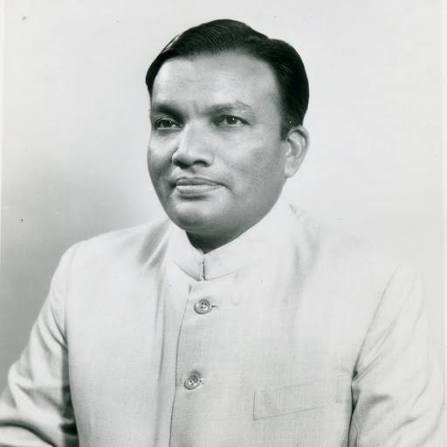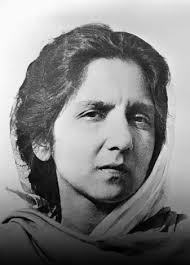
Aruna Asaf Ali
Early Life and Education
Aruna Asaf Ali was born as Aruna Ganguly on 16 July 1909 in Kalka (then part of Punjab Province, British India). She belonged to a Bengali Brahmo family that valued education and progressive thinking.
She received her early education at convent schools in Lahore and Nainital. After completing her studies, she worked as a teacher at a girls’ school in Kolkata. Her education helped develop her independent thinking and strong sense of social justice.
Education & Skills
Aruna Asaf Ali was known for her intellectual abilities, courage, and leadership.
Key Skills
- Leadership and political organization
- Public speaking
- Social activism
- Journalism and writing
- Strategic planning
- Mobilizing public support
- Advocacy for civil rights and social justice
Her determination and organizational skills made her one of the most respected women leaders of India’s freedom movement.
Contribution to Tamil Literature
Aruna Asaf Ali did not make direct contributions to Tamil literature. However, her writings, speeches, and political ideas inspired people across India, including Tamil-speaking regions.
Her commitment to freedom, democracy, and social justice influenced many writers, journalists, and activists. Several biographies and accounts of her life have been translated into Tamil, helping spread her legacy among Tamil readers.
Role in India’s Freedom Movement
Aruna Asaf Ali played a significant role in India’s struggle for independence and became one of the most prominent leaders of the Quit India Movement.
Major Contributions
- Joined the Indian National Congress and actively participated in nationalist activities.
- Took part in the Civil Disobedience Movement and was imprisoned by British authorities.
- Became a leading figure during the Quit India Movement.
- On 9 August 1942, she famously hoisted the Indian National Congress flag at Gowalia Tank Maidan (now August Kranti Maidan), symbolizing resistance against British rule.
- Went underground to continue revolutionary activities after many national leaders were arrested.
- Published and distributed underground literature to maintain public support for the freedom struggle.
Because of her courage and leadership, she became known as the “Heroine of the Quit India Movement.”
Personal Life
Aruna Ganguly married Asaf Ali in 1928. Their interfaith marriage was considered bold and progressive for the time.
After independence, she remained active in politics and social causes. She worked for women’s rights, labor welfare, education, and democratic values. She also served as the first Mayor of Delhi after independence.
Throughout her life, she was admired for her simplicity, integrity, and dedication to public service.
Death
Aruna Asaf Ali passed away on 29 July 1996 in New Delhi at the age of 87.
In recognition of her outstanding contributions to India’s freedom struggle and public life, she received several honors, including the Bharat Ratna posthumously in 1997.
Conclusion
Aruna Asaf Ali was a fearless freedom fighter, social activist, and champion of democratic values. Her leadership during the Quit India Movement, particularly her courageous act of hoisting the national flag in 1942, made her a symbol of resistance against colonial rule. Even after independence, she continued to work for social justice and public welfare. Her life remains an inspiring example of courage, determination, and service to the nation.
About the Author