1. Introduction
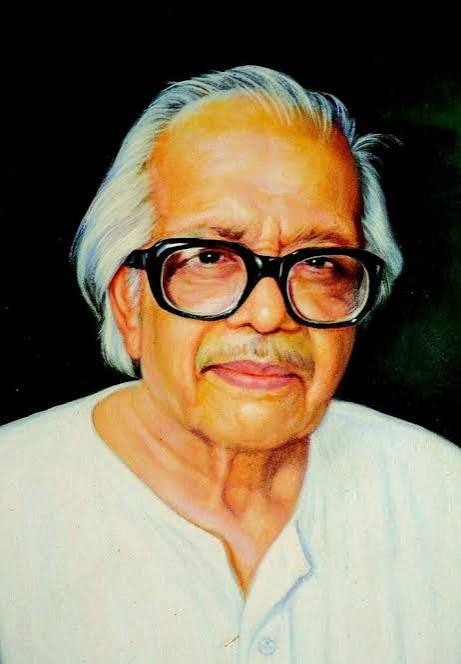
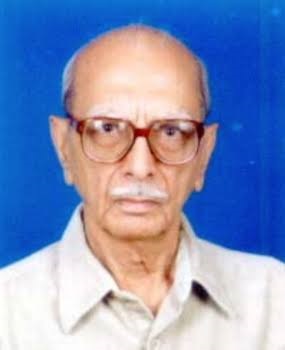
Prof. Sukh Dev was a legendary Indian organic chemist, a pioneer in natural products chemistry, and a towering figure in modern drug discovery. Renowned for his exhaustive research on the chemical composition of terpenoids, ayurvedic medicinal plants, and indigenous forest products, he bridged ancient traditional knowledge with cutting-edge modern science, earning global acclaim for India’s scientific community.
2. Quick Facts
- Full Name: Sukh Dev
- Native Name: સુખ દેવ (Gujarati) / सुख देव (Hindi)
- Date of Birth: June 17, 1923
- Place of Birth: Chakwal, Punjab Province, British India (now in Pakistan)
- Nationality: Indian
- Occupation/Profession: Organic Chemist, Researcher, Academician, and Author
- Field of Achievement: Natural Products Chemistry, Organic Synthesis, and Drug Discovery
- Years Active: 1944–2010s (Spanning nearly seven decades of active laboratory research, industrial mentorship, and academic instruction)
3. Award Information (Padma Bhushan)
- Award Name: Padma Bhushan
- Award Category: Science and Engineering / Technology
- Award Year: 2008
- Presented By: The President of India (at Rashtrapati Bhavan)
- Date of Ceremony: Republic Day, January 26, 2008
- Citation/Official Reason: For exceptional and distinguished services to science and technology, particularly for pioneering research in natural products chemistry and translating indigenous medicinal compounds into modern therapeutics.
- Other Major Honors: Shanti Swarup Bhatnagar Prize (1964), TWAS Award in Chemistry (1988), and Meghnad Saha Medal (1987).
4. Why He Received the Award
Prof. Sukh Dev was honored with the Padma Bhushan in recognition of his monumental contributions to chemical sciences and industrial research. His deep-dive investigations into Indian medicinal flora—most notably isolating and characterizing active constituents like guggulsterone from Commiphora wightii (Guggulu)—paved the way for novel cholesterol-lowering pharmaceutical formulations. His work successfully combined modern structural organic chemistry with the validation of traditional Ayurvedic medicine.
5. Early Life
Born in Chakwal (in undivided Punjab) to Hari Chand Lala and Maya Vanti, Sukh Dev grew up in an environment that valued academic discipline. His early life was shaped against the backdrop of a changing subcontinent, experiencing the Partition era which shifted his professional base permanently to independent India, where he channeled his resilience into an unyielding passion for chemical sciences.
6. Education
- Undergraduate & Postgraduate Studies: Graduated with honors from Dayanand Anglo-Vedic (DAV) College, Lahore (Punjab University) in 1943, and secured his Master’s degree (M.Sc.) in Chemistry from the same institution in 1945.
- Doctoral Studies: Joined the Indian Institute of Science (IISc), Bangalore, working under the legendary natural products chemist Prof. Praphulla Chandra Guha, and earned his Ph.D. in 1948.
- Post-Doctoral & Advanced Degrees:
- Conducted post-doctoral research at the Massachusetts Institute of Technology (MIT) with Prof. John D. Roberts.
- Earned a prestigious Doctor of Science (D.Sc.) degree from IISc in 1960.
7. Career Journey
- Early Academic Roles: Served as a research associate, lecturer, and senior research fellow at IISc, Bangalore (1951–1959), which included a brief stint as a research associate at the University of Illinois under Prof. Elias James Corey.
- National Chemical Laboratory (NCL, Pune): Joined NCL in 1960 as the Head of the Organic Chemistry (Natural Products) Division, rising to Deputy Director, and serving until 1974.
- Malti-Chem Research Centre: Appointed as Director of the Malti-Chem Research Centre in Nandesari, Gujarat (1974–1988), where he focused heavily on industrial research and technology development.
- Late Academic Chapters: Served as the INSA S.N. Bose Research Professor at IIT Delhi (1989) and later as a Visiting Professor at the Dr. B.R. Ambedkar Centre for Biomedical Research (ACBR), University of Delhi (1994).
8. Major Achievements
- Terpenoid Chemistry & Structural Elucidations: Authored path-breaking work on sesqui- and diterpenoids, discovering brand-new chemical skeletal types and proposing the Absolute Stereochemistry Biogenetic Rule.
- Chromatographic Innovation: Pioneered the use of silver nitrate-silica gel thin-layer chromatography for separating olefins (1962), a technique adopted globally in organic chemistry laboratories.
- Ayurveda-to-Modern Medicine Translation: Investigated ancient plant resources like Guggulu, leading to the development of guggulsterones used for managing lipid profiles and cholesterol.
- Patents & Publications: Authored over 290 research papers, secured 55 patents, and published 10 authoritative books (including Prime Ayurvedic Plant Drugs).
9. Contribution to the Nation
Prof. Sukh Dev revolutionized how India utilized its indigenous natural and botanical wealth. By marrying classical chemical analysis with industrial applications, he helped build domestic capabilities in chemical synthesis and drug manufacturing. Furthermore, as an institutional leader at NCL and Malti-Chem, he demonstrated how scientific research could directly feed into national economic growth and self-reliance.
10. Other Awards and Honours
- Shanti Swarup Bhatnagar Prize (1964): In Chemical Sciences.
- Meghnad Saha Medal (1987) – Awarded by the Indian National Science Academy (INSA).
- TWAS Award in Chemistry (1988): Conferred by The World Academy of Sciences.
- Padma Bhushan (2008): Conferred by the Government of India.
- Fellowship Honors: Elected Fellow of the Indian National Science Academy (FNA), Indian Academy of Sciences (FASc), and The World Academy of Sciences (FTWAS).
11. Legacy and Influence
Prof. Sukh Dev is remembered globally as a master architect of natural products chemistry. He mentored 92 doctoral and research students, instilling in them uncompromising analytical rigor and laboratory discipline. His intellectual framework—insisting that modern science must rigorously test the claims of traditional folklore and Ayurveda—continues to guide modern drug discovery pipelines.
12. Interesting Facts
- Centenarian Scientist: He lived a long and remarkably active scientific life, passing away at the age of 101 on October 16, 2024.
- Global Collaborations: Worked directly alongside or trained alongside some of the 20th century’s greatest organic chemistry legends, including Nobel laureate E.J. Corey and J.D. Roberts.
- Prolific Mentor: He remained intellectually engaged with chemistry and writing well into his retirement, editing definitive volumes on herbal drugs.
13. Quotes
“While investigating Ayurvedic crude drugs or other medicinal plants, one must specifically look for the biological activity for which the drug is renowned in Ayurveda or folklore.” — Prof. Sukh Dev
14. Timeline
- 1923: Born on June 17 in Chakwal, British India (now Pakistan)
- 1945: Completed his Master’s degree from DAV College, Lahore
- 1950: Earned his Ph.D. from the Indian Institute of Science (IISc), Bangalore
- 1960: Appointed Head of the Organic Chemistry Division at the National Chemical Laboratory (NCL), Pune
- 1964: Awarded the prestigious Shanti Swarup Bhatnagar Prize
- 1974: Assumed charge as Director of the Malti-Chem Research Centre
- 2008: Conferred with the Padma Bhushan by the President of India
- 2024: Passed away on October 16 at the age of 101
15. References
- Wikipedia – Sukh Dev Biography Profile.
- ARKIVOC – Professor Sukh Dev: A Tribute & Special Issue Monographs.
- Shanti Swarup Bhatnagar Prize Official Dossiers (CSIR India).
- Indian Academy of Sciences (IAS) – Fellow Profile Records.
16. Related Personalities
- Prof. Praphulla Chandra Guha (Doctoral mentor at IISc)
- Prof. Elias James Corey (Nobel laureate and collaborator at the University of Illinois)
- Prominent alumni and research scholars mentored under his school of natural products chemistry.
17. Frequently Asked Questions (FAQ)
Q1: Who was Prof. Sukh Dev? A: Prof. Sukh Dev was an eminent Indian organic chemist widely celebrated for his fundamental contributions to natural products chemistry, terpenoid structures, and Ayurvedic drug discovery.
Q2: What are his most notable scientific contributions?A: He is best known for isolating and characterizing active components from Indian medicinal plants (such as guggulsterones from Guggulu), discovering new classes of terpenes, and introducing silver nitrate-silica gel thin-layer chromatography.
Q3: What major awards has he received?A: He received India’s highest science award, the Shanti Swarup Bhatnagar Prize (1964), and the civilian honor Padma Bhushan (2008).
About the Author