1. Introduction
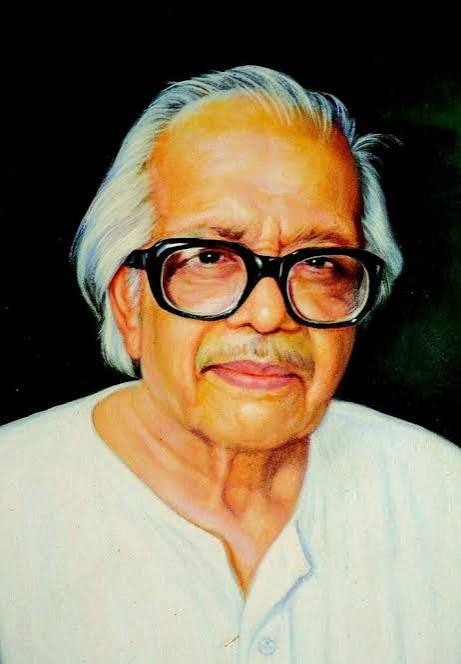
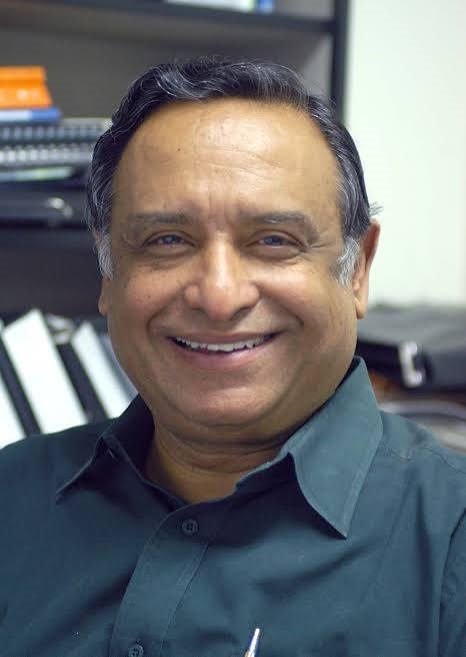
Ustad Rahim Fahimuddin Dagar was a legendary Indian classical vocalist and one of the finest stalwarts of the ancient Dhrupad tradition. Representing the 19th generation of the illustrious Dagar family, he was renowned for his austere purity, adherence to Dagar Vani, and deep spiritual approach to music (Nada Yoga). As both a master performer and a dedicated teacher, he kept the flame of India’s oldest surviving classical vocal form burning brightly across the globe.
2. Quick Facts
- Full Name: Ustad Rahim Fahimuddin Khan Dagar
- Native Name: رحیم فہیم الدین डागर (Urdu / Hindi)
- Date of Birth: February 2, 1927
- Place of Birth: Alwar, Rajasthan, British India
- Nationality: Indian
- Occupation/Profession: Dhrupad Vocalist, Classical Musician, and Guru
- Field of Achievement: Indian Classical Music (Hindustani Vocal – Dhrupad)
- Years Active: 1940s–2011 (Spanning over six decades of active performance, recording, and teaching)
3. Award Information
- Award Name: Padma Bhushan
- Award Category: Arts / Classical Music / Public Service
- Award Year: 2008
- Presented By: The President of India (at Rashtrapati Bhavan)
- Date of Ceremony: Republic Day, January 26, 2008
- Citation/Official Reason: For exceptional and distinguished services to the field of art and classical music, preserving and propagating the rare Dhrupad tradition.
- Other Major Honors: Sangeet Natak Akademi Award (1993), Kalidas Samman (2002), and the Sangeet Natak Akademi Fellowship (Ratna Purashkar, 2010).
4. Why He Received the Award
Ustad Rahim Fahimuddin Dagar received the Padma Bhushan (and later the Sangeet Natak Akademi Fellowship, the highest honor in Indian performing arts) in recognition of his lifelong dedication to safeguarding and passing down the pure form of Dhrupad. As the seniormost custodian of the Dagar lineage, he spent decades mentoring students worldwide, ensuring that the meditative and mathematical intricacies of Dagar Vani survived modern commercial shifts in music.
5. Early Life
Born into a family that has preserved Dhrupad for centuries, Fahimuddin Dagar was born in Alwar, Rajasthan. He was the only son of the legendary Dhrupad maestro Ustad Allabande Rahimuddin Khan Dagar. Growing up, his life was completely immersed in rigorous vocal training, breathing exercises, and the spiritual discipline mandated by the family tradition. He absorbed the nuances of Shrutis and microtones directly from his father and elder family members.
6. Education
- Traditional Training (Talim): Received orthodox, intensive, and lifelong training under the strict Guru-Shishya Parampara from his father and senior members of the Dagar family.
- Intellectual and Literary Pursuit: Beyond music, he developed a profound love for literature, studying classical poetry, religious philosophy, Sanskrit texts, and works by Sufi saints, Tulsidas, Kabir, and Ghalib, which heavily informed his musical expression.
7. Career Journey
- Early Performances: Began performing publicly in his youth, establishing himself as a pristine purist of the Dhrupad genre.
- Global Outreach: Travelled extensively to countries like the United States, France, Germany, and Italy, holding concerts, lecture-demonstrations, and workshops for select audiences.
- Institutional Associations: Worked closely with cultural bodies across India, serving as an esteemed guru who trained numerous national and international disciples.
- Association with SPIC MACAY: Actively associated with SPIC MACAY from its inception in 1977, traveling to schools and universities across India to introduce young generations to the depth of classical Dhrupad.
8. Major Achievements
- Custodianship of Dagar Vani: Maintained the unadulterated purity of the Alwar branch of the Dagar school, emphasizing microtonal precision and spiritual invocation (Nada Yoga).
- Prestigious Fellowships: Awarded the Indira Gandhi Fellowship in 1997 for advanced research and documentation of traditional music forms.
- International Recordings: Released acclaimed archival and live concert recordings through labels in Switzerland, Germany, and Italy.
9. Contribution to the Nation
Ustad Rahim Fahimuddin Dagar served as a cultural anchor for India’s intangible heritage. At a time when faster, lighter musical formats grew popular, he stood as an unyielding pillar for classical roots, treating music not merely as entertainment, but as an educational, spiritual, and meditative discipline (Vidyatmak and Kalatmak). His commitment ensured that the ancient art of Dhrupad transitioned securely into the 21st century.
10. Other Awards and Honours
- Sangeet Ratan (1956)
- Sangeet Natak Akademi Award (1993–94)
- Sahitya Kala Parishad Award (1996)
- Ustad Hafiz Ali Khan Award (1997)
- Kalidas Samman (2002)
- Padma Bhushan (2008)
- Sangeet Natak Akademi Fellowship (2010)
- Ustad Mushtaq Ali Khan Lifetime Achievement Award (2011)
11. Legacy and Influence
Ustad Dagar’s legacy lives on through his numerous disciples spread across the globe who continue to practice and teach Dagar Vani Dhrupad. He is remembered for his deep humility, sharp intellect, warmth, and absolute unwillingness to dilute tradition for quick commercial applause.
12. Interesting Facts
- Lifelong Passions: Despite his grave and meditative stage presence, in his personal life, he was known to enjoy simple joys—he loved gardening, photography, watching cricket and hockey, and was famously fond of kite-flying (patangbaazi) even in his later years!
- Aural Appreciation over Praise: He often stated that true art should make a listener go “aah” from the depths of the soul rather than uttering a casual “wah” for applause.
13. Quotes
“Dhrupad is both kalatmak (artistic) and primarily vidyatmak (educational/scholarly). Practitioners of dhrupad also require an in-depth knowledge of nada yoga.” — Ustad Rahim Fahimuddin Dagar
14. Timeline
- 1927: Born on February 2 in Alwar, Rajasthan
- 1961: Married his wife Naheed on November 19
- 1977: Began a long-standing educational association with SPIC MACAY
- 1993: Conferred with the Sangeet Natak Akademi Award
- 2002: Received the prestigious Kalidas Samman
- 2008: Awarded the Padma Bhushan by the Government of India
- 2010: Honored with the Sangeet Natak Akademi Fellowship
- 2011: Passed away on July 27, leaving behind an immortal legacy in Indian classical music.
15. References
- Oxford Encyclopaedia of the Music of India – Rahim Fahimuddin Dāgar Profile.
- Wikipedia – Rahim Fahimuddin Dagar Biography Archives.
- ITC Sangeet Research Academy (SRA) – Tribute Monographs.
- Extensive biographical interviews and cultural documentations (raga.hu / Irfan Zuberi archives).
16. Related Personalities
- Ustad Allabande Rahimuddin Khan Dagar (Father and Guru)
- Nasir Moinuddin Dagar & Nasir Aminuddin Dagar (The Senior Dagar Brothers, cousins)
- Zia Mohiuddin Dagar & Zia Fariduddin Dagar (Prominent Dagar cousins and torchbearers)
17. Frequently Asked Questions (FAQ)
Q1: Who was Ustad Rahim Fahimuddin Dagar? A: He was a legendary 19th-generation exponent and teacher of the Dagar Vani style of Dhrupad, India’s oldest classical vocal tradition.
Q2: What are his most notable achievements?A: He received India’s highest civilian and artistic honors, including the Padma Bhushan (2008) and the Sangeet Natak Akademi Fellowship (2010).
Q3: What makes Dagar Vani Dhrupad unique? A: It is characterized by detailed microtonal elaboration (alap), absolute adherence to pure notes, and a deep spiritual connection rooted in Nada Yoga and Vedic foundations.
About the Author