1. Introduction
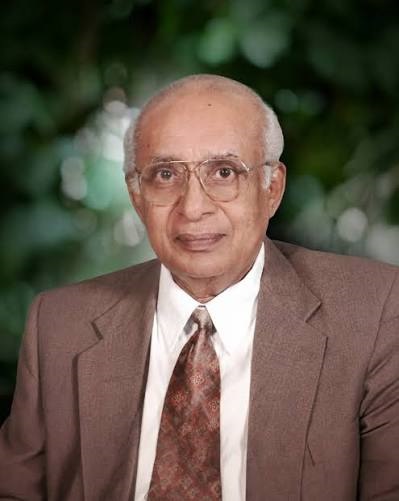
Justice K. T. Thomas is one of India’s most respected legal minds, a former Judge of the Supreme Court of India, and an influential voice on jurisprudence, constitutional law, and judicial reforms. Known for his sharp intellect, unbiased approach, and landmark rulings—most notably presiding over the bench that confirmed the death sentences in the Rajiv Gandhi assassination case—he has dedicated decades to upholding justice and public service.
Indian Institute of Arbitration & Mediation+ 1
2. Quick Facts
- Full Name: Kallupurackal Thomas Thomas (K. T. Thomas) Supreme Court of India
- Native Name: കല്ലുപുരയ്ക്കൽ തോമസ് തോമസ് (Malayalam)
- Date of Birth: January 30, 1937 Supreme Court of India
- Place of Birth: Kottayam District, Kerala, India Nettv4u
- Nationality: Indian
- Occupation/Profession: Jurist, Former Supreme Court Judge, Author, Advocate Wikipedia
- Field of Achievement: Law and Justice / Public Service Wikipedia
- Years Active: 1960–2002 (Active legal practice and judicial career spanning over 40 years; active as an author and public intellectual post-retirement) Wikipedia
3. Award Information (Padma Vibhushan)
- Award Name: Padma Vibhushan
- Award Category: Public Affairs / Social Affairs / Law & Justice
- Award Year: 2026 Wikipedia
- Presented By: The President of India (at Rashtrapati Bhavan)
- Date of Ceremony: Republic Day, January 26, 2026
- Citation/Official Reason: For exceptional and distinguished services in the field of public and social affairs. Wikipedia
- (Note: He was previously awarded the Padma Bhushan in 2007 for his exceptional contributions to Law and Justice.) Fable
4. Why They Received the Award
Justice K. T. Thomas received the nation’s second-highest civilian honor, the Padma Vibhushan, in recognition of his monumental lifetime contributions to the Indian judiciary and public welfare. Over his 25-year judicial career—culminating as a Supreme Court judge—and his extensive post-retirement public contributions (such as heading critical committees on police reforms, educational structures, and national institutional reviews), he has continuously worked to strengthen the pillars of Indian democracy, transparency, and the rule of law.
Wikipedia
5. Early Life
Born into a Syriac Christian family in Kottayam, Kerala, Justice Thomas grew up in an environment that deeply valued discipline, education, and moral integrity. His early foundational years in Kottayam shaped his perspective on community values, fairness, and empathy toward the common citizen, which would later heavily influence his judicial philosophy.
Nettv4u
6. Education
- Schooling: Baker Memorial School and CMS College High School, Kottayam Wikipedia
- Pre-University & Undergraduate Studies: Completed his Pre-University course from CMS College, Kottayam, and earned his Bachelor of Arts (B.A.) degree from St. Albert’s College, Ernakulam, where he served as the College Union Chairman. Law Reforms Commission
- Legal Education: Obtained his Bachelor of Laws (B.L.) degree from Madras Law College (now Dr. Ambedkar Government Law College, Chennai). Wikipedia
7. Career Journey
- 1960: Enrolled as an Advocate of the Kerala High Court, starting his practice under leading lawyer Joseph Maliakal in Kottayam before setting up an independent practice covering civil and criminal law. Wikipedia
- 1976: Led the Indian delegation to the World Conference on Peace held in Texas, USA, also serving as Chairman of one of its key commissions. Indian Institute of Arbitration & Mediation
- 1977: Directly recruited from the Bar as a District and Sessions Judge (securing the first rank in selection tests). Wikipedia
- 1985–1986: Appointed as an Additional Judge and later a permanent Judge of the High Court of Kerala. Supreme Court of India
- 1995: Served as the Acting Chief Justice of the Kerala High Court. Wikipedia
- 1996–2002: Elevated as a Judge of the Supreme Court of India, serving with distinction until his retirement on January 30, 2002. Supreme Court of India
8. Major Achievements
- Landmark Judgments: Presided over the Supreme Court bench that upheld the death sentences in the high-profile Rajiv Gandhi assassination case. Wikipedia
- Post-Retirement Commissions:
- Headed the Justice K. T. Thomas Committee on unaided professional colleges (2003). Wikipedia
- Served as Chairman of the Police Reforms Monitoring Committee constituted by the Supreme Court. Wikipedia
- Headed the School Review Commission for the National Law School of India University (NLSIU), Bengaluru. Wikipedia
- Legal Revision: Co-edited landmark legal texts, including the 33rd edition of Ratan Lal’s Indian Penal Code. Law Reforms Commission
9. Contribution to the Nation
Justice Thomas’s contributions transcend his bench verdicts. He has been a fierce advocate for police reforms, pushing for structural changes to insulate law enforcement from political interference to protect civilian rights. Furthermore, his post-retirement committees streamlined fee structures and standards in higher education and professional institutions. Even after stepping down from active judicial office, he has continuously engaged in nation-building by offering objective legal insights on capital punishment, anti-corruption frameworks, and institutional integrity.
10. Other Awards and Honours
- Padma Bhushan (2007): Conferred by the President of India on Republic Day for his profound contributions to Law and Justice. Fable
- Padma Vibhushan (2026): Conferred for his lifetime of distinguished public service.
11. Legacy and Influence
Justice Thomas is remembered as a jurist of uncompromising principles. Through his autobiography, Honeybees of Solomon (published in Malayalam as Solomontae Theneechakal), he documented the realities, pressures, and ethical dilemmas of a 25-year judicial career. His legacy lives on through his legal writings, judicial precedents, and the fact that his commitment to law passed down to the next generation—his son, Justice Bechu Kurian Thomas, serves as a Judge of the Kerala High Court.
Wikipedia+ 1
12. Interesting Facts
- Direct Elevation: He was among the rare breed of jurists directly recruited from the Bar as a District Judge, rising steadily all the way to the Supreme Court. Wikipedia
- Prolific Author: Aside from legal commentaries, he has written multiple books in Malayalam and English touching on human experiences, medicine, and justice, including Physicians Treats and God heals and Jerusalem weeping for her children. Law Reforms Commission
- Family Legacy: His son, Justice Bechu Kurian Thomas, followed in his footsteps to become a prominent judge in the Kerala High Court. Wikipedia
13. Quotes
“Capital punishment in India is ‘judge centric’.” — Justice K. T. Thomas (reflecting on his views regarding the subjective nature of handing down death sentences)
Bharatpedia
14. Timeline
- 1937: Born on January 30 in Kottayam, Kerala Nettv4u
- 1960: Enrolled as an advocate Supreme Court of India
- 1977: Appointed directly as District and Sessions Judge Supreme Court of India
- 1985: Appointed as a Judge of the Kerala High Court Supreme Court of India
- 1996: Elevated to the Supreme Court of India Supreme Court of India
- 2002: Retired from the Supreme Court on January 30 Supreme Court of India
- 2007: Awarded the Padma Bhushan Fable
- 2008: Published his memoir Honeybees of Solomon Indian Institute of Arbitration & Mediation
- 2026: Conferred with the Padma Vibhushan
15. References
- Supreme Court of India – Official Roster & Former Judges Archive. Bharatpedia
- Wikipedia – K. T. Thomas (judge) Biography Profile.
- Kerala Law Reforms Commission & Government Archives.
- Honeybees of Solomon (Autobiography by Justice K. T. Thomas). Indian Institute of Arbitration & Mediation
16. Related Personalities
- Justice Bechu Kurian Thomas (Son and Kerala High Court Judge) Wikipedia
- Joseph Maliakal (Early mentor and prominent Kottayam lawyer) Wikipedia
- Former Chief Justices and Supreme Court contemporaries of the late 1990s and early 2000s.
17. Frequently Asked Questions (FAQ)
Q1: Who is Justice K. T. Thomas?A: Justice K. T. Thomas is a former Judge of the Supreme Court of India and a renowned legal expert who served the Indian judiciary for over two decades. He was honored with the Padma Vibhushan in 2026.
Indian Institute of Arbitration & Mediation+ 1
Q2: What are his most notable judgments?A: He is widely recognized for heading the Supreme Court bench that confirmed the death penalty in the Rajiv Gandhi assassination case.
Wikipedia
Q3: What awards has Justice K. T. Thomas received?A: He has received India’s two prestigious civilian honors: the Padma Bhushan in 2007 and the Padma Vibhushan in 2026.
Wikipedia
Q4: Has he written any books?A: Yes, he has written several books and memoirs, most notably Honeybees of Solomon (Solomontae Theneechakal), along with other Malayalam literary and philosophical works.
Law Reforms Commission
About the Author