1. Introduction
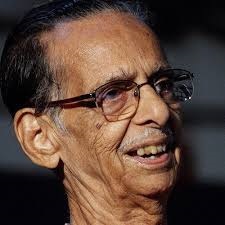
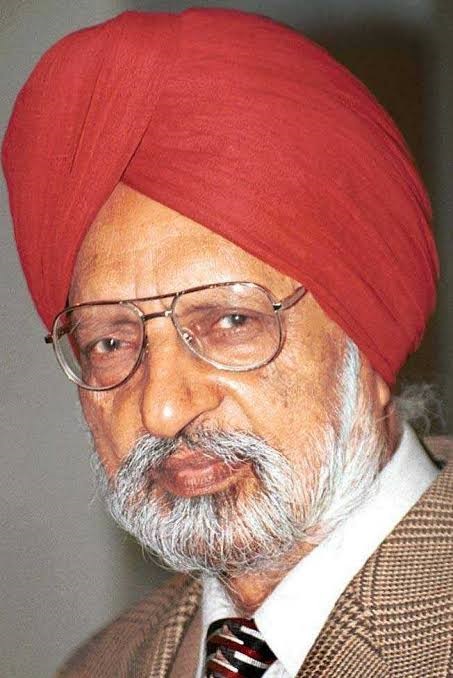
Dr. Gurcharan Singh Kalkat (17 June 1926 – 27 January 2018) was a towering Indian agricultural scientist who played a foundational role in driving the Green Revolution in India. Working closely alongside Nobel Laureate Norman Borlaug, he spearheaded the introduction and widespread adoption of high-yielding Mexican wheat varieties, transforming India from a food-deficient nation into a self-sufficient agricultural powerhouse. Over a career spanning decades, he served as India’s Agricultural Commissioner, Vice-Chancellor of Punjab Agricultural University (PAU), and the founding chairman of the Punjab State Farmers Commission.
2. Quick facts
- Full Name: Dr. Gurcharan Singh Kalkat (G. S. Kalkat)
- Native Name: ਗੁਰਚਰਨ ਸਿੰਘ ਕൽਕਤ
- Date of Birth: June 17, 1926
- Place Of birth: Sahora village, Hoshiarpur district, Punjab, British India
- Nationality: Indian
- Occupation/ Profession: Agricultural Scientist, Administrator, Educator, and Policy Advisor
- Field of Achievement: Agricultural Science, Entomology, Food Security, and Agrarian Policy Reform
- Years Active: 1947–2018 (Over seven decades of public service and agricultural research)
3. Award Information (Focus: Padma Bhushan)
- Award Name: Padma Bhushan
- Award Category: Civil Honour (Third-highest civilian award in India)
- Award Year: 2007
- Presented By: Government of India (Conferred by President Dr. A.P.J. Abdul Kalam)
- Date of Ceremony: March 2007
- Citation/Official Reason: For his pioneering contributions to agricultural science, exceptional leadership in ensuring national food security, and a lifetime of service to the farming community.
- Previous Recipients (optional): Prominent scientists, agronomists, and national leaders.
- Next Recipients: Subsequent distinguished achievers in succeeding years.
4. Why they Receive the award?
Dr. Gurcharan Singh Kalkat received the Padma Bhushan—following his earlier Padma Shri in 1981—because he was a principal architect of the Green Revolution that saved millions from starvation. From working with global scientific pioneers to managing agricultural policies at the national level as India’s Agricultural Commissioner and directing World Bank-assisted farming projects across developing nations, his lifetime efforts permanently reshaped food production dynamics.
5. Early Life
Born on June 17, 1926, into a Jat Sikh family in the rural village of Sahora in Hoshiarpur, Punjab, Kalkat grew up deeply connected to the soil and agrarian life. Witnessing the uncertainties of traditional farming and the food crises of pre-independence and post-partition India molded his determination to apply scientific rigor to agricultural practices.
6. Education
- Graduation in Agriculture: Earned his B.Sc. in Agriculture from the historic Punjab Agricultural College, Lyallpur (now in Pakistan) in 1947.
- Master’s Degree: Obtained his M.Sc. in Agriculture from Punjab University in 1956.
- Ph.D. in Entomology: Awarded a prestigious Rockefeller Fellowship to study in the United States, earning his Doctorate (Ph.D. in Zoology-Entomology) from Ohio State University in 1958.
7. Carrier Journey
- State Administrative Roles: Began his career with the Government of Punjab as Deputy Director of Agriculture, rising to become the Director of Agriculture for Punjab in 1971.
- National Leadership: Appointed as the Agricultural Commissioner in the Ministry of Agriculture, Government of India, serving from 1973 to 1978.
- World Bank Senior Agriculturist: Served with the World Bank, overseeing critical agricultural development and food security programs in West Africa (Ghana, Nigeria) as well as South and Southeast Asia (India, Sri Lanka, Nepal, Indonesia).
- Academic Leadership: Returned to academia to serve as the Vice-Chancellor of Punjab Agricultural University (PAU), Ludhiana, from 1998 to 2001.
- Founding Chairman: Appointed as the Founder Chairman of the Punjab State Farmers Commission (PSFC) in 2005, serving until 2017.
8. Major Achievements
- Architect of the Green Revolution: Actively collaborated with legendary agronomist Norman Borlaug to introduce high-yielding Mexican wheat and rice seeds, convincing skeptical local farmers to adopt revolutionary crop management techniques.
- Making India Food-Secure: Under his administrative tenure as Punjab’s Director of Agriculture and India’s Agricultural Commissioner, food grain production scaled exponentially, making the nation self-sufficient.
- Policy Think-Tank for Farmers: Spearheaded extensive research on agrarian debt, water conservation, crop diversification, and straw-management alternatives as Chairman of the Punjab State Farmers Commission.
9. Contribution to the Nation
Dr. Kalkat translated laboratory breakthroughs into massive grassroots realities. By securing robust supply chains, effective fertilizer inputs, and modern irrigation frameworks, he averted mass famines and transformed India’s agricultural sector into a resilient economic engine. His advisory work shaped national food security frameworks for decades.
10. Other Awards and Honours
- Padma Shri (1981): Conferred by the Government of India for early public service and contribution to agricultural productivity.
- Distinguished International Student Award: Honored by Ohio State University.
- Padma Bhushan (2007): India’s third-highest civilian honor, awarded by President Dr. A.P.J. Abdul Kalam.
- Lifetime Achievement Citations: Felicitated repeatedly by national and international agricultural societies for his unmatched role in feeding millions.
11. Legacy and Influence
Dr. Kalkat is remembered as a quiet titan of modern Indian agriculture—humble, sharp, and relentlessly hardworking. His life spanned the transition from bullock-cart farming to mechanized, scientifically optimized agriculture. His policy frameworks continue to guide sustainable farming, groundwater management, and agrarian reforms in modern India.
12. Interesting Facts
- Working with Norman Borlaug: He was part of the elite core team of Indian scientists who worked side-by-side with Nobel Laureate Norman Borlaug during experimental field trials in the 1960s.
- A Lifetime of Fieldwork: Unlike ivory-tower administrators, Dr. Kalkat spent decades traveling on dusty rural roads to speak directly with ordinary farmers, earning their complete trust.
- Active Until His Final Years: He served actively as the head of the Punjab State Farmers Commission well into his late eighties, offering sharp, pragmatic solutions to emerging agrarian crises.
13. Quotes
“Agricultural science is only as good as the last farmer it helps. If the laboratory success does not reach the smallholder’s field, it has failed its purpose.”
“The resilience of the Indian farmer is our greatest national asset; when backed by science and policy, they can perform miracles.”
14. Timeline
- 1926: Born on June 17 in Sahora village, Punjab.
- 1947: Graduated with a B.Sc. in Agriculture from Lyallpur.
- 1958: Completed his Ph.D. in Entomology from Ohio State University.
- 1971: Appointed Director of Agriculture for the State of Punjab.
- 1973: Took charge as India’s Agricultural Commissioner in New Delhi.
- 1981: Conferred the Padma Shri by the Government of India.
- 1998–2001: Served as Vice-Chancellor of Punjab Agricultural University (PAU), Ludhiana.
- 2005: Appointed Founder Chairman of the Punjab State Farmers Commission.
- 2007: Awarded the prestigious Padma Bhushan by President Dr. A.P.J. Abdul Kalam.
- 2018: Passed away on January 27 in Chandigarh at the age of 91.
15. References
- Wikipedia contributors. Gurcharan Singh Kalkat. Wikipedia, The Free Encyclopedia.
- The Tribune. Agricultural scientist GS Kalkat dies at 92 (January 2018).
- Financial Express. Who was Dr Gurcharan Singh Kalkat? Padma Bhushan winner, Green Revolution legend who passed away (January 2018).
- Punjab Planning Board & Punjab State Farmers Commission Archives. Biographical profile of Dr. G. S. Kalkat.
16. Related Personalities
- Norman Borlaug: Nobel Laureate and legendary agricultural scientist who collaborated with Dr. Kalkat during the Green Revolution.
- M.S. Swaminathan: Legendary Indian geneticist and fellow pioneer of the Green Revolution.
- Partap Singh Kairon: Former Chief Minister of Punjab who supported early agricultural transformation frameworks.
17. Frequently Asked Questions (FAQ)
Q1: Who was Dr. Gurcharan Singh Kalkat?
A: Dr. G. S. Kalkat was a legendary Indian agricultural scientist and a principal architect of India’s Green Revolution who helped make the country self-sufficient in food production.
Q2: What were his major administrative roles?
A: He served as the Director of Agriculture for Punjab, India’s Agricultural Commissioner, Vice-Chancellor of Punjab Agricultural University (PAU), and the Founding Chairman of the Punjab State Farmers Commission.
Q3: What major awards did he receive?
A: He was honored with the Padma Shri in 1981 and India’s third-highest civilian honor, the Padma Bhushan, in 2007.
About the Author