1. Introduction
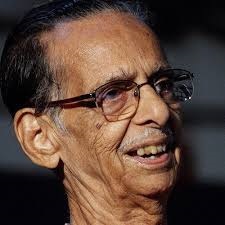
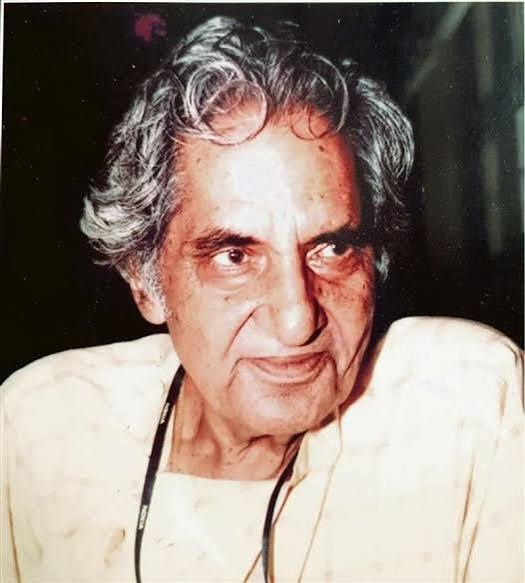
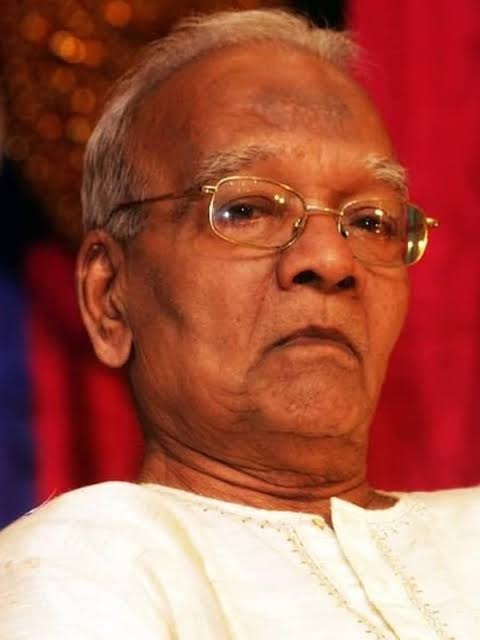
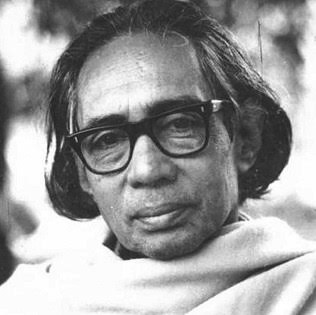
Somnath Hore (1921 – 1 October 2006) was one of the most powerful and socially conscious modern artists, printmakers, and sculptors in Indian art history. Deeply moved by the tragic socio-political upheavals of 20th-century Bengal—such as the devastating Bengal Famine of 1943 and the Tebhaga peasant movement—Hore channelled human pain, hunger, and oppression into a raw, haunting artistic vocabulary. As a professor at Kala Bhavana, Santiniketan, he revolutionized printmaking techniques in India, giving birth to iconic minimalist and expressionist series like Wounds.
2. Quick facts
- Full Name: Somnath Hore
- Native Name: সোমনাথ হোর
- Date of Birth: 1921
- Place Of birth: Chittagong (now in Bangladesh)
- Nationality: Indian
- Occupation/ Profession: Painter, Printmaker, Sculptor, Muralist, and Social Activist
- Field of Achievement: Graphic Arts, Intaglio Printmaking, Bronze Sculptures, and Social Realism
- Years Active: 1940s–2006
3. Award Information (Focus: Padma Bhushan)
- Award Name: Padma Bhushan
- Award Category: Civil Honour (Third-highest civilian award in India)
- Award Year: 2007 (Posthumous)
- Presented By: Government of India
- Date of Ceremony: March 2007
- Citation/Official Reason: For his lifetime of exceptional contributions to art, printmaking, and capturing the human condition through creative expression.
- Previous Recipients (optional): Eminent artists, sculptors, and national figures.
- Next Recipients: Subsequent distinguished achievers in succeeding years.
4. Why they Receive the award?
Somnath Hore received the Padma Bhushan and national honors like the Lalit Kala Ratna Puraskar because he fundamentally transformed the landscape of Indian printmaking and modern sculpture. His art was never merely decorative; it was a profound conscience-keeping mirror reflecting the scars of war, poverty, and human cruelty, establishing a globally unique aesthetic language rooted in empathy for the marginalized.
5. Early Life
Born in 1921 in Chittagong (now Bangladesh), Somnath Hore lost his father early in life and faced financial hardships, completing his schooling with the support of his uncle. Witnessing widespread poverty, rural destitution, and the horrors of World War II and the 1943 Bengal Famine firsthand in his youth deeply politicized him, aligning him with socialist ideologies and the Communist Party of India.
6. Education
- Early Education: Completed his Intermediate of Science (I.Sc.) from Chattagram Government College in 1940.
- Art Training: Joined the Government College of Art and Craft in Calcutta with the patronage of the Communist Party. There, he studied under master printmaker Haren Das and was influenced by early mentors like Chittaprosad Bhattacharya.
- Diploma: Earned his Fine Arts diploma from Calcutta in 1957.
7. Carrier Journey
- Early Documentation Work (1943): Traveled through rural Bengal to visually document and report on the Bengal Famine for the Communist Party magazine Jannayuddha (People’s War).
- Teaching Career: Served as a faculty member in the graphics department at the Indian College of Arts and Draftsmanship, Calcutta, and later at the Delhi College of Art.
- Kala Bhavana, Santiniketan: Invited by K.G. Subramanyan to join Kala Bhavana at Visva-Bharati University in Santiniketan as a professor of graphic art, where he spent the remainder of his active life shaping generations of artists.
8. Major Achievements
- Mastery of Printmaking: Introduced advanced and complex printmaking techniques—especially intaglio, woodcut, and lithography—to Indian art schools, elevating graphics to an independent major fine art medium.
- The Wounds Series (1970s): Created his iconic Wounds series using a unique pulp-printing and metal-gouging technique, symbolizing the physical and psychological scars of societal violence, war, and oppression.
- Pioneering Bronze Sculptures: Ventured into bronze casting in the 1970s, crafting emaciated, contorted figurines that mirrored human agony, survival, and grief.
- International Representation: Represented India at prestigious global platforms, including the Venice Biennale (1962) and São Paulo Art Biennial (1963).
9. Contribution to the Nation
Hore gave Indian modern art a conscience. By refusing to paint idyllic, escapist landscapes, he forced viewers to confront socio-economic realities, hunger, and state violence. His technical mastery in printmaking rescued graphics from being treated as a secondary medium, while his tenure at Santiniketan fostered an uncompromising culture of experimentation and empathy.
10. Other Awards and Honours
- Lalit Kala Akademi National Awards: Won for Painting (1960) and for Graphics (1963).
- Gagan-Aban Puraskar (1984): Awarded by the Paschim Banga Akademi.
- Professor Emeritus: Honored by Kala Bhavana, Santiniketan (1984).
- Lalit Kala Ratna Puraskar (2004): India’s premier national recognition from the Lalit Kala Akademi.
- Padma Bhushan (2007): Conferred posthumously by the Government of India.
11. Legacy and Influence
Somnath Hore remains an unmatched icon of social realism and modernist experimentation in South Asia. His works are permanent centerpieces in major institutions like the National Gallery of Modern Art (NGMA), New Delhi. Artists and sculptors continue to study his textural innovations, where a simple scratch or tear on paper or metal became a metaphor for human suffering and endurance.
12. Interesting Facts
- The Diary of Famine: His visual sketches from the 1943 Bengal Famine were published as Tebhagar Diary, capturing both journalistic authenticity and deep artistic despair.
- Stolen Masterpiece: One of his largest bronze sculptures, Mother and Child—dedicated to the suffering of the people of Vietnam—was famously stolen from Kala Bhavana right after he completed it.
- Minimalist Power: Later in life, despite failing health, his art became increasingly minimalist, relying on tiny gashes, holes, and white spaces to convey maximum emotional weight.
13. Quotes
“My sketches and prints are not just observations of pain; they are wounds inflicted on my own conscience by the society around me.”
“Art must speak for those whose voices have been crushed by hunger, conflict, and injustice.”
14. Timeline
- 1921: Born in Chittagong, British India.
- 1943: Documented the Bengal Famine for the Communist Party.
- 1957: Graduated with a Fine Arts diploma from Calcutta.
- 1962 & 1963: Represented India at the Venice and São Paulo Biennials.
- Late 1960s–1970s: Joined Kala Bhavana, Santiniketan as a professor; developed the groundbreaking Wounds series.
- 2004: Awarded the Lalit Kala Ratna Puraskar.
- 2006: Passed away on October 1 in Santiniketan, West Bengal.
- 2007: Posthumously conferred the Padma Bhushan by the Government of India.
15. References
- Wikipedia contributors. Somnath Hore. Wikipedia, The Free Encyclopedia.
- Akara Art & Masterworks Academy. Somnath Hore Artist Profiles and Retrospective Archives.
- National Gallery of Modern Art (NGMA) New Delhi. Collection Catalogue on Somnath Hore.
- Hore, Somnath. Tebhagar Diary & Aamaar Chitro Bhabona (Published memoirs and writings).
16. Related Personalities
- K.G. Subramanyan: Legendary artist and colleague at Santiniketan who invited Hore to join Kala Bhavana.
- Ramkinkar Baij: Visionary sculptor and close associate at Santiniketan whose raw expressionism influenced sculptural dynamics.
- Chittaprosad Bhattacharya: Political printmaker and early mentor who shaped Hore’s social realism.
17. Frequently Asked Questions (FAQ)
Q1: Who was Somnath Hore?
A: Somnath Hore was a legendary modern Indian painter, printmaker, and sculptor renowned for his powerful artistic documentation of human suffering, famine, and socio-political oppression.
Q2: What is the Wounds series?
A: The Wounds series is Somnath Hore’s signature body of work created in the 1970s, utilizing unique pulp-relief and gouging techniques to represent the physical and psychological scars of violence and trauma.
Q3: What major awards did he receive?
A: He received the Lalit Kala Akademi National Awards, the Lalit Kala Ratna Puraskar (2004), and was posthumously conferred the Padma Bhushan in 2007.
About the Author